



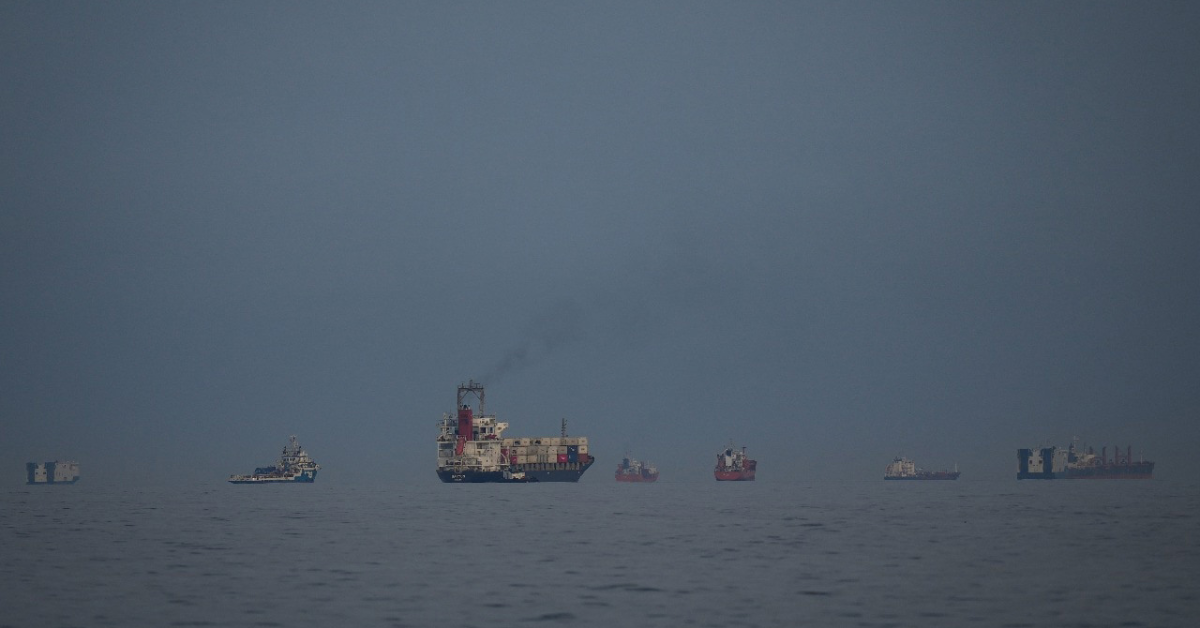

Two additional Indian-flagged very large gas carriers (VLGCs) — Jag Vasant and Pine Gas — have safely transited the Strait of Hormuz, according to ship-tracking data monitored on Monday, marking a continued, if cautious, resumption of movement for Indian vessels through the world’s most critical energy chokepoint.
Both vessels sailed northward from the United Arab Emirates coast toward Iran’s Qeshm Island and Larak Island, closely hugging the Iranian territorial coastline — a routing strategy that has emerged as the de facto corridor for ships that have received clearance from Iranian authorities to transit the strait. The approach, while unconventional by peacetime standards, reflects the pragmatic accommodations that India and Iran have reached through diplomatic channels to keep energy flows moving during the ongoing crisis.
Iran’s Selective Access Policy in Practice
The transits of Jag Vasant and Pine Gas illustrate how Iran’s policy of selective Hormuz access — open to vessels from non-adversarial nations, closed to ships linked to the United States and Israel — is being operationalised in real time. Indian-flagged tankers appear to have been among the primary beneficiaries of Iran’s willingness to allow passage to friendly nations, following high-level diplomatic engagement between New Delhi and Tehran in the weeks since the crisis began on February 28.
Iranian officials have reiterated that the strait remains open to ‘ships not linked to Iran’s enemies,’ with Iran’s representative to the International Maritime Organization (IMO), Ali Mousavi, confirming that vessels can transit by coordinating security and safety arrangements with Tehran. This framework, while legally ambiguous under UNCLOS, has provided a working mechanism for Indian energy supply chains to function at reduced but meaningful capacity.
Relief for India’s LPG Supply Chain
The successful transits are significant for India’s domestic LPG supply situation, which had been under acute pressure following the initial closure of the strait to commercial traffic. India imports a large share of its LPG from Gulf producers, and the stranding of Indian VLGCs inside the Persian Gulf had raised concerns about cooking gas availability, particularly in rural areas served by the Pradhan Mantri Ujjwala Yojana scheme.
Indian Navy Escort and Diplomatic Track Running in Parallel
The transits of Jag Vasant and Pine Gas represent one strand of India’s multi-pronged response to the Hormuz crisis. Running in parallel are the Indian Navy’s Operation Sankalp escort mission in the Gulf of Oman, diplomatic engagement through the Ministry of External Affairs, and domestic measures to diversify LPG sourcing from the United States and Argentina. As of March 24, approximately 22 Indian-flagged ships with 611 seafarers are still reported to be inside the Persian Gulf, and the pace of their exit through the strait will be closely watched by energy markets and maritime observers alike.
 Join our WhatsApp channel for more updates:
 Subscribe to our YouTube channel for more updates: