


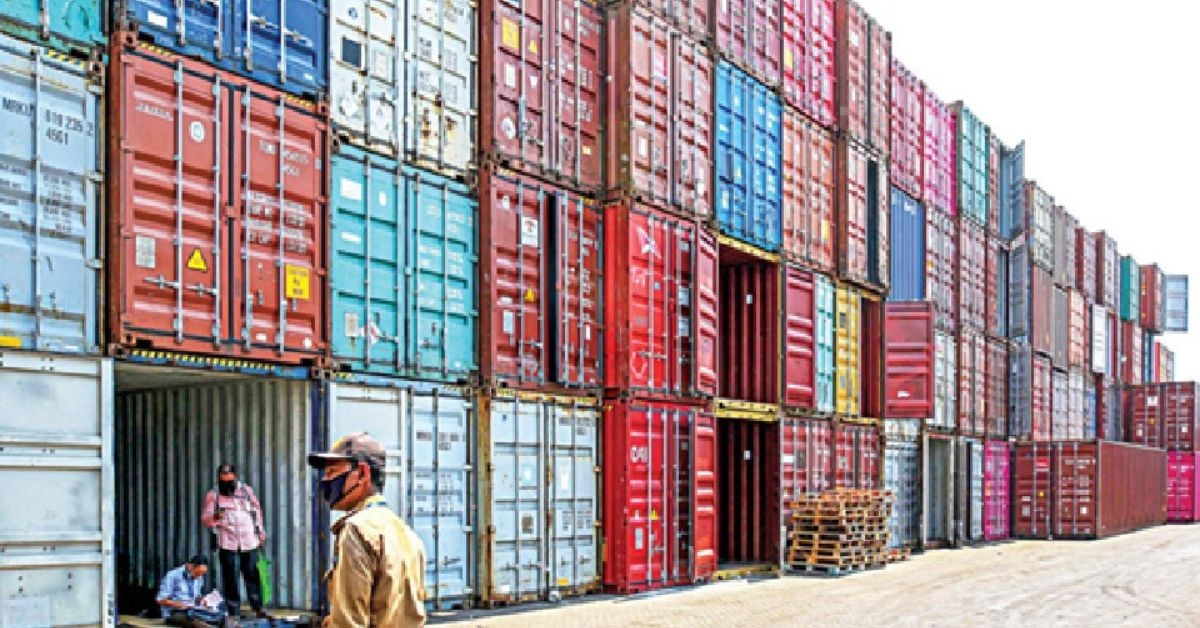

Nineteen private inland container depots (ICDs) connected to Chattogram port will halt the handling of export cargo and empty containers from tomorrow (11 December), triggering concern across Bangladesh’s trade and logistics ecosystem. The move comes amid a long-running dispute over revised off-dock service tariffs that operators say are essential for their survival.
Each ICD has informed its clients and major shipping lines that from Thursday morning, it will no longer accept export cargo nor process empty containers. Depot owners argue that they can no longer operate under the tariff regime that has remained unchanged since 2016, despite steep increases in labour and operational costs.
Although the Bangladesh Inland Container Depots Association (BICDA) has issued no formal directive, its Secretary General Ruhul Amin Sikder confirmed that depot owners have individually communicated their inability to continue operations. “The last tariff adjustment was nine years ago. Costs have risen several times since, but charges remain the same. Continuing under the existing rates has become unsustainable,” he said.
If the stoppage goes ahead, export operations handled by the 19 ICDs—most of the country’s garment shipments—will come to an immediate halt. The depots also manage almost all empty-container movements and handle 65 categories of import cargo. Industry insiders warn that the shutdown could lead to container congestion inside Chattogram port, which already faces space constraints.
The off-docks collectively have a storage capacity of around 106,000 TEUs, compared with the port’s own capacity of roughly 60,000 TEUs. Together, they manage some 2.2 million containers annually, including the entire volume of export cargo and most empty boxes returning to foreign ports.
The current standoff began in August when BICDA proposed a 30–63% increase in charges for stuffing, ground rent, lift-on/lift-off services, documentation, and port-to-off-dock transport. Port users rejected the revised rates, prompting a court intervention that suspended the new tariff. The shipping ministry subsequently ruled that no changes could be made without approval from the Tariff Committee. Although court hearings were pending, off-dock operators continued under the old tariff structure but expressed growing frustration.
In recent days, depot owners have adopted a new strategy: without issuing a public notice, they have verbally instructed major shipping lines to stop sending containers to their facilities. Exporters, including BGMEA and BKMEA, as well as port authorities and shipping agents, were reportedly not officially notified—raising concerns about the transparency and timing of the move.
Stakeholders warn of severe implications. Since all export cargo flows through these ICDs, even a brief halt would paralyse outbound shipments. With empty containers unable to move from port yards to the depots, Chattogram port could face rapid congestion, affecting vessel schedules and international supply chains.
Industry leaders fear that the timing of the suspension—during a crucial export season—could damage Bangladesh’s trade reliability and strain relationships with global buyers unless a quick resolution is reached.
 Join our WhatsApp channel for more updates:
 Subscribe to our YouTube channel for more updates: