




Two significant developments in India’s maritime infrastructure and connectivity landscape were announced Friday, highlighting the country’s simultaneous focus on improving maritime emergency response capabilities and sustaining trade links with the Gulf region despite the ongoing Hormuz crisis.
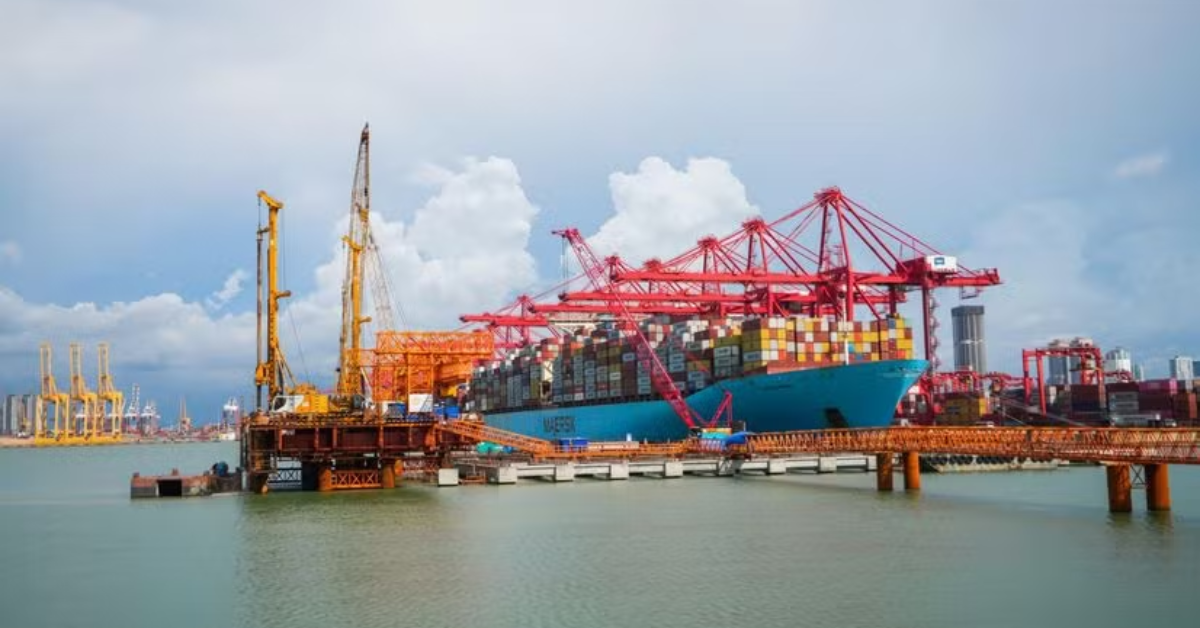
Adani Ports and Special Economic Zone (APSEZ) announced the operationalisation of India’s first designated Port of Refuge (PoR) — a landmark in the country’s maritime emergency preparedness framework. As defined by the International Maritime Organization, a Port of Refuge is a designated location where vessels in distress can seek safe shelter to stabilise dangerous conditions, protect human life, and minimise environmental damage from incidents such as structural failures, fires, cargo shifts, or weather-related emergencies.
India’s Long-Overdue Port of Refuge
Despite operating one of the world’s longest coastlines at approximately 11,000 kilometres and being traversed by some of the world’s busiest shipping lanes, India had not previously formalised a Port of Refuge under the IMO framework — a gap that the APSEZ initiative now addresses. Leading maritime economies in Europe, North America, and East Asia have long maintained Port of Refuge designations as part of their coastal emergency management infrastructure, and India’s absence from this framework had been noted as a deficiency in the country’s maritime safety architecture.
The operationalisation of India’s first PoR is timely given the current Hormuz crisis, which has increased the volume of distressed vessel situations in the Indian Ocean region as ships navigate conflict-affected waters, make emergency rerouting decisions, and deal with equipment stress caused by extended Cape of Good Hope voyages. A formally designated and operationally ready Port of Refuge significantly strengthens India’s ability to respond to maritime emergencies and fulfils an important IMO obligation.
JNPA’s JJS Feeder Service Connects India to Gulf Ports
Simultaneously, JNPA has announced the launch of the JJS feeder service by Global Feeder Shipping at PSA Mumbai, inaugurated with the maiden call of vessel SSF Dynamic on March 24. The service operates a strategic rotation covering Mundra – Nhava Sheva – Jeddah – King Abdullah – Sokhna – Aqaba – King Abdullah – Jeddah – Mundra, directly linking India’s two largest container ports with five key Gulf and Red Sea gateways.
The JJS service launch during an active Gulf crisis is both commercially bold and strategically significant. By maintaining scheduled feeder connectivity to Jeddah, King Abdullah, Sokhna, and Aqaba — ports that remain operational and accessible despite the broader regional disruption — the service provides Indian exporters with a structured routing option for cargo destined for Saudi Arabia, Egypt, and Jordan. Indian ports waiving storage fees for Gulf-bound cargo, combined with a new feeder service, signals a coordinated effort to keep the India-Gulf trade corridor alive.
Port Storage Waivers Across India–Gulf Cargo
The JJS service comes as both Mundra Port and JNPA have formalised storage fee waivers and tariff concessions for export containers bound for Gulf destinations — with Mundra offering a 15-day waiver and rebates of up to 80 per cent on reefer plug-in charges for temperature-sensitive cargo. Together, the port relief measures and new feeder service create a supportive ecosystem for Indian exporters attempting to maintain Gulf market relationships through a period of acute disruption.
 Join our WhatsApp channel for more updates:
 Subscribe to our YouTube channel for more updates: