



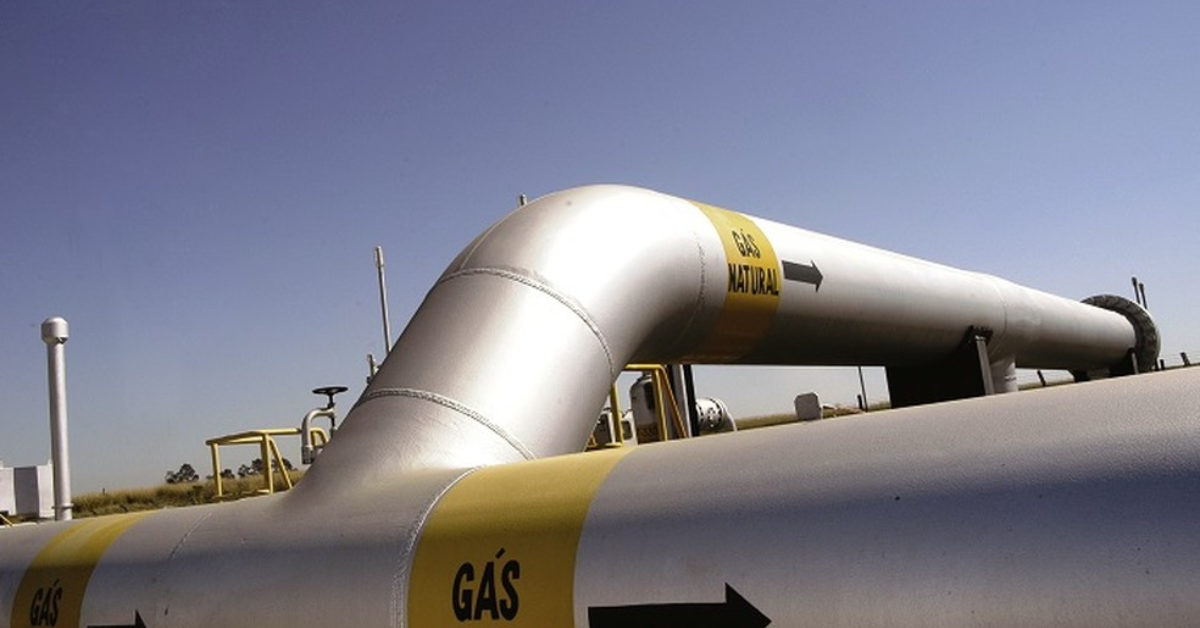

Argentina has significantly ramped up its liquefied petroleum gas exports to India, doubling shipment volumes to help bridge the supply gap created by the ongoing disruption to West Asian energy routes — a development that highlights the dramatic reshaping of global commodity trade flows triggered by the Strait of Hormuz crisis.
Trade sources report that Indian importers have moved swiftly to secure Argentine LPG cargoes, leveraging Argentina’s growing export capacity and competitive spot market pricing to offset shortfalls from traditional Gulf suppliers including Saudi Arabia, the UAE, and Qatar. Several vessels carrying Argentine LPG are already reported to be en route to Indian ports, with additional cargoes being arranged through spot market transactions.
India’s LPG Import Geography Transforms
India ordinarily imports the vast majority of its LPG from Gulf Cooperation Council (GCC) countries and, increasingly, from the United States. The Hormuz disruption has dramatically accelerated the diversification of India’s LPG import geography, with Argentina — which has significantly expanded its LPG export capacity through the Vaca Muerta shale formation — emerging as a key swing supplier.
Argentina’s LPG is being shipped on VLGCs on long-haul voyages of approximately 30–35 days to Indian ports, compared to the 7–10 day voyages typical of Gulf cargoes. The longer voyage times require advance planning and increase in-transit inventory, but the availability of Argentine supply has proven critical in preventing a deeper domestic LPG shortage.
Indian Sugar Mills Capitalise on Weak Rupee and Higher Global Prices
In a silver lining from the crisis, Indian sugar mills have re-entered the global export market, locking in approximately 100,000 metric tonnes of shipments over the past week as the combination of a sharply depreciated rupee and higher global sugar prices has made exports financially viable again.
The rupee’s decline to approximately 92.33 against the US dollar — partly driven by the trade deficit widening caused by the Hormuz crisis — has ironically improved the export competitiveness of rupee-denominated production costs, benefiting sectors like sugar whose production costs are primarily in Indian currency. Simultaneously, global sugar prices have rallied on expectations of higher ethanol production in Brazil as oil prices surge above USD 108 per barrel, indirectly benefiting Indian sugar exporters through tighter global supply.
Mumbai Accelerates Methanol Supply Partnerships
Looking further ahead, Mumbai is actively seeking long-term methanol supply partnerships to support the city’s maritime bunkering and industrial fuel transition. Industry stakeholders are engaging with both domestic producers and international suppliers to establish stable sourcing arrangements for methanol — a cleaner-burning alternative marine fuel that is gaining traction globally as IMO emissions regulations tighten. The push for methanol supply security aligns with SCI’s recent order of India’s first methanol dual-fuel vessel at Mazagon Dock, signalling that India’s green shipping transition is gathering practical momentum beyond policy declarations.
 Join our WhatsApp channel for more updates:
 Subscribe to our YouTube channel for more updates: