


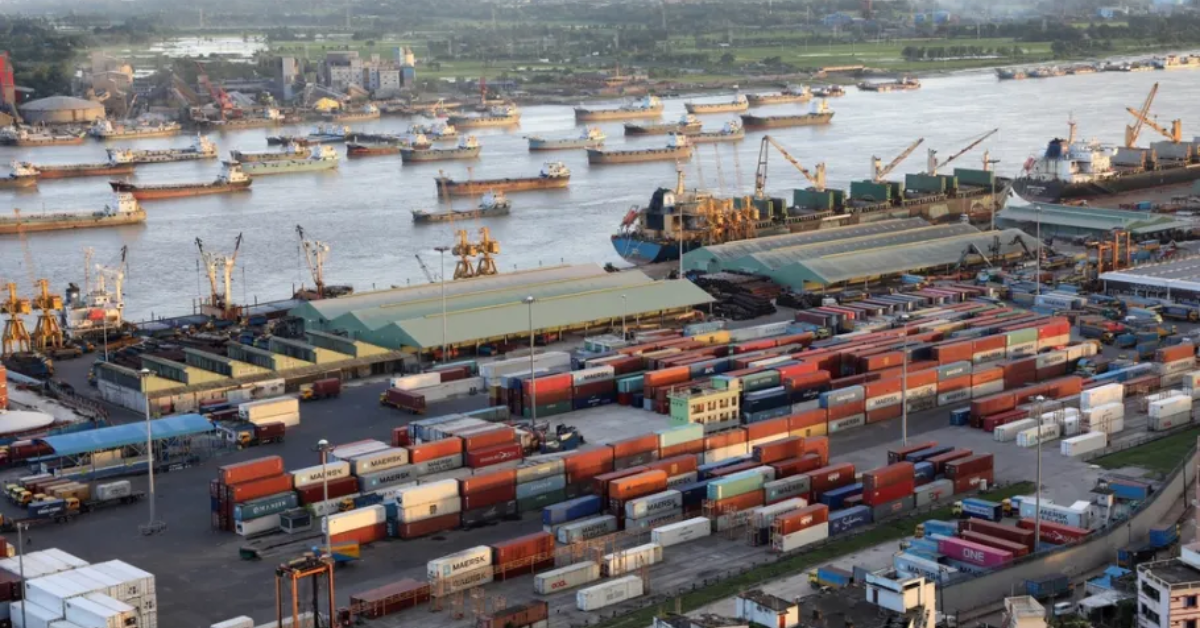

Strikes at Chittagong Port, Bangladesh’s primary maritime gateway, have crippled container operations for over four days as of February 4, 2026, with workers protesting the proposed lease of the New Mooring Container Terminal (NCT) to Dubai’s DP World. Demands for scrapping the deal have led to halted loading/unloading, vessel delays, and backlogs, escalating from eight-hour stoppages to 24-hour and potential indefinite actions.
Detailed Strike Developments
The unrest began late January 2026 over NCT privatization fears, viewed as against national interests by unions like Chattogram Port Rokkha Songram Oikkya Parishad. Operations at jetties, sheds, and terminals ground to a halt on February 3, marking the fourth disruptive day; talks yielded no resolution amid employee transfer disputes. Chattogram Port Authority reports minimal activity, with congestion worsening.
Broader Economic Fallout
The port handles over 90% of Bangladesh’s external trade, including 3 million+ TEUs annually, causing massive backlogs, storage fee hikes, and delays for perishables ahead of Ramadan. Exporters/importers face vessel diversions and supply chain snarls, with daily losses mounting.
India-Bangladesh Trade Impacts
India-Bangladesh bilateral trade, valued at $14+ billion yearly (India’s exports ~$12 billion), relies heavily on Chittagong for sea-routed cargo amid ongoing land port restrictions since mid-2025 on items like garments, jute, and yarn. Strikes exacerbate delays for Indian shipments of cotton, machinery, and chemicals to Bangladesh, plus Bangladeshi RMG/jute exports rerouted via sea due to non-tariff barriers—potentially raising costs 25% and straining Kolkata/Haldia ports. Eastern Indian exporters (e.g., West Bengal, Tripura) face shortages, price volatility, and job risks in border districts; prolonged action could hit $1.76 billion India-bound exports from Bangladesh.
 Join our WhatsApp channel for more updates:
 Subscribe to our YouTube channel for more updates: