




The revival of the SKX1 shipping service strengthens eastern India’s maritime ties with Southeast Asia amid rising regional trade volumes
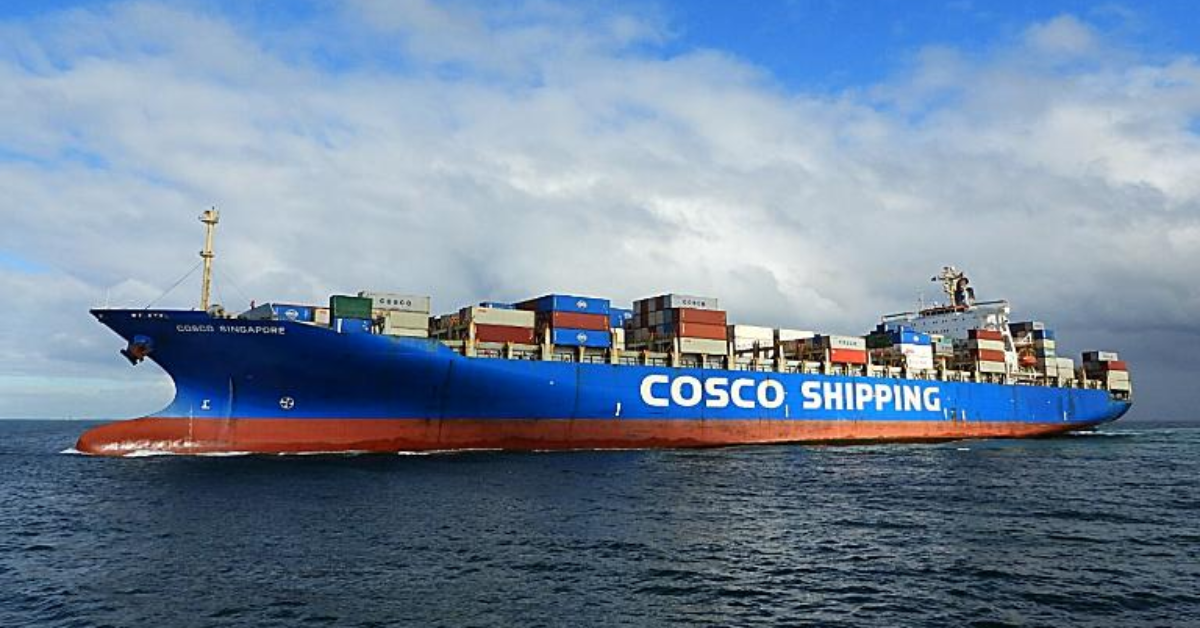
COSCO Shipping, one of the world’s largest container carriers, has reinstated its Singapore–Kolkata SKX1 service, bringing renewed direct maritime connectivity between Southeast Asia’s premier transshipment hub and eastern India’s most important port. The revival, confirmed in late May 2026, comes at a time of growing trade volumes and shifting supply chain strategies across the Indo-Pacific region.
The SKX1 service had been suspended in an earlier round of network rationalisation, leaving eastern Indian importers and exporters with fewer direct shipping options to and from Singapore. Its return addresses a gap that had frustrated logistics operators, who were often forced to rely on relay and transshipment arrangements — adding days and cost to their cargo movements.
The reinstated service is expected to support the movement of containerised cargo including industrial goods, consumer products, machinery, chemicals, textiles, and agricultural commodities. The route is particularly significant for eastern Indian exporters of rice, jute, steel, and handloom products, as well as for importers of electronics and manufacturing components from Southeast Asia.
Kolkata’s strategic importance in the Indian maritime landscape extends beyond the city itself. As India’s primary gateway on the eastern seaboard, the port serves as the entry and exit point for goods moving to and from eastern and northeastern India — a vast hinterland that includes the resource-rich states of Jharkhand, West Bengal, Odisha, and the Northeast, as well as landlocked neighbours Nepal and Bhutan. Improved maritime connectivity here has outsized regional benefits.
Industry analysts say the revival of the SKX1 service reflects a broader trend: container carriers are actively investing in intra-Asia networks to capture rising trade flows, diversify risk, and serve markets that were underserved during the pandemic-era network consolidation. Post-pandemic trade recovery, combined with India’s growing role as a manufacturing and export hub, is driving this renewed attention.
Singapore remains the world’s second-busiest container port and the most important transshipment hub in the region, connecting dozens of secondary routes across Southeast Asia, South Asia, and beyond. A direct service between Kolkata and Singapore reduces transit times for cargo moving to and from global markets via the Singapore hub, benefiting time-sensitive industries.
COSCO’s decision also carries broader geopolitical undertones. As India’s bilateral trade with Southeast Asian nations under the ASEAN-India Free Trade Agreement deepens, and as India positions itself as an alternative manufacturing hub to China for global supply chains, reliable and competitive maritime connectivity between eastern India and ASEAN becomes increasingly strategic.
The renewal of the SKX1 service is a concrete example of how shipping lines are aligning their network strategies with the emerging realities of the post-China-plus-one supply chain world — and eastern India is a clear beneficiary.
 Join our WhatsApp channel for more updates:
 Subscribe to our YouTube channel for more updates: