
Dakshin Bharat Gateway Terminal (DBGT) in Tamil Nadu has achieved a landmark in its development as a dedicated transhipment hub, recording its first-ever 100 per cent transhipment vessel call — a milestone that signals the terminal’s readiness to compete for a share of the transhipment traffic that currently bypasses India and transits through foreign hubs such as Colombo, Singapore, and Port Klang.
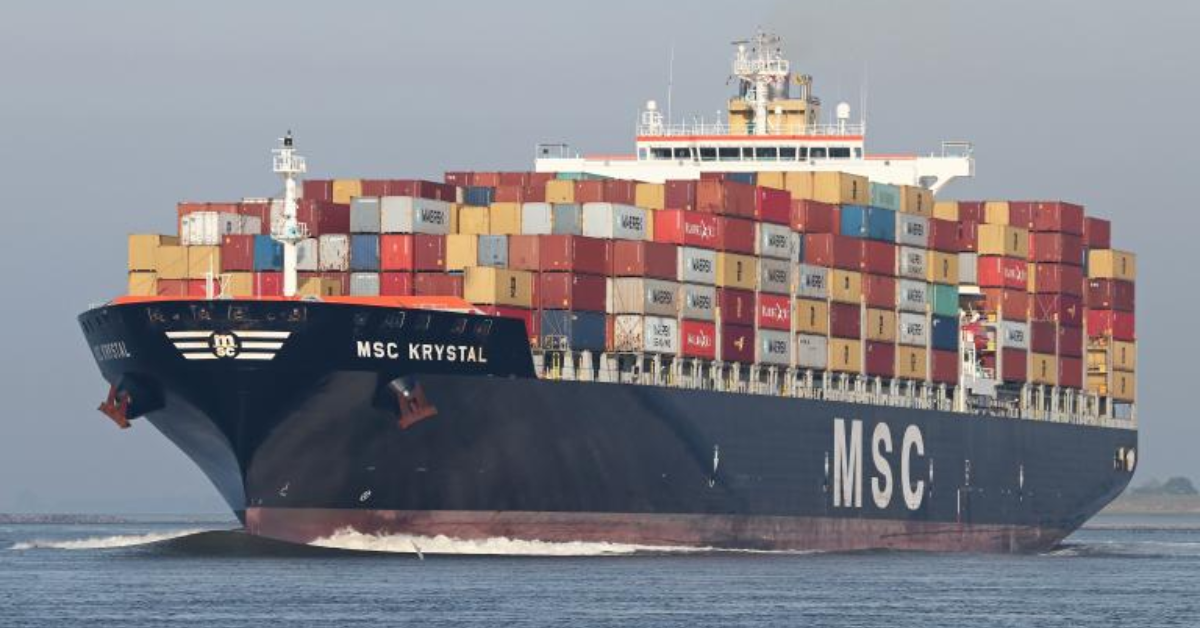
The vessel, MSC Krystal, berthed at DBGT on March 26 at 01:45 hours and handled approximately 1,307 TEUs of pure transhipment containers — cargo that was not originated from or destined for Indian ports, but was being moved between two international trade legs using DBGT as an intermediate hub. The vessel is expected to sail after completing operations, having demonstrated DBGT’s ability to handle a pure transhipment call efficiently and without incident.
Why This Milestone Matters for India
India has long aspired to establish a world-class transhipment hub on its coastline, recognising that the large volumes of transhipment cargo that currently move through Colombo and Singapore — much of it India-adjacent or India-connected — represent significant economic value that could be captured domestically. The absence of a competitive Indian transhipment hub has meant that Indian carriers and port authorities miss out on handling fees, port revenue, and the ancillary economic activity that major transhipment ports generate.
DBGT’s first full transhipment call is a concrete step toward changing this picture. By demonstrating operational competence on a pure transhipment vessel — which places stringent demands on berth availability, crane productivity, yard management, and schedule reliability — the terminal is building the commercial credibility needed to attract regular transhipment services from major global carriers.
Gulf Crisis Creates an Opportunity
The ongoing Hormuz crisis has created an unusual opening for DBGT’s transhipment ambitions. With global shipping routes severely disrupted and carriers rethinking their hub and spoke networks in real time, Indian transhipment terminals that can offer reliable service and competitive port dues have a rare opportunity to capture traffic that might not otherwise have come to them. DBGT’s proactive outreach to shipping lines during the crisis — facilitating the movement of crisis-affected and stranded cargo — has built goodwill and demonstrated operational flexibility that could translate into longer-term commercial relationships.
India’s Transhipment Gap: A Strategic Priority
India’s Ministry of Ports, Shipping and Waterways has identified transhipment hub development as a strategic priority under the Maritime India Vision 2030. The plan envisions India handling 4-5 million TEUs of transhipment cargo annually — up from a negligible share currently — through a combination of upgraded port infrastructure, competitive tariffs, and regulatory incentives for transhipment operations. DBGT’s milestone, along with the earlier development of Vizhinjam Port in Kerala — designed specifically as a deep-water transhipment hub — represents the early operational stages of this ambition coming to fruition.
 Join our WhatsApp channel for more updates:
 Subscribe to our YouTube channel for more updates: