



India’s maritime regulator has moved to ensure that exporters directly benefit from relief measures announced in response to disruptions in West Asia, directing ports and terminal operators to immediately pass on approved concessions on charges related to stranded cargo. The Directorate General of Shipping (DGS) issued a circular dated April 8 asking major ports, private terminals and shipping stakeholders to transparently transmit financial relief to exporters whose containers and vessels have been caught in the fallout of the Strait of Hormuz crisis.
The order follows complaints that concessions granted by port authorities on detention, ground rent, reefer plug-in and similar terminal charges were not being uniformly or promptly reflected in exporters’ bills. Earlier, the Ministry of Ports, Shipping and Waterways had framed a standard operating procedure for major ports to process requests for waivers or reductions in charges and to respond to operational issues arising from the West Asia situation, but the benefits were reportedly getting diluted at the last mile. DGS has now underlined that any relief cleared by port authorities must be passed through “directly and transparently” to the concerned exporters, without intermediary leakage.
Under the latest directive, port authorities and terminal operators are expected to maintain clear documentation of concessions sanctioned and their subsequent reflection in invoices issued to trade. The circular stresses that all stakeholders in the port value chain — including shipping lines, terminal operators and container freight stations — should align their billing practices so that exporters see the full impact of waivers intended to offset delays and disruptions. DGS has also indicated that compliance will be monitored, giving the order more than just advisory weight at a time when exporters are grappling with cost escalations and uncertainty.
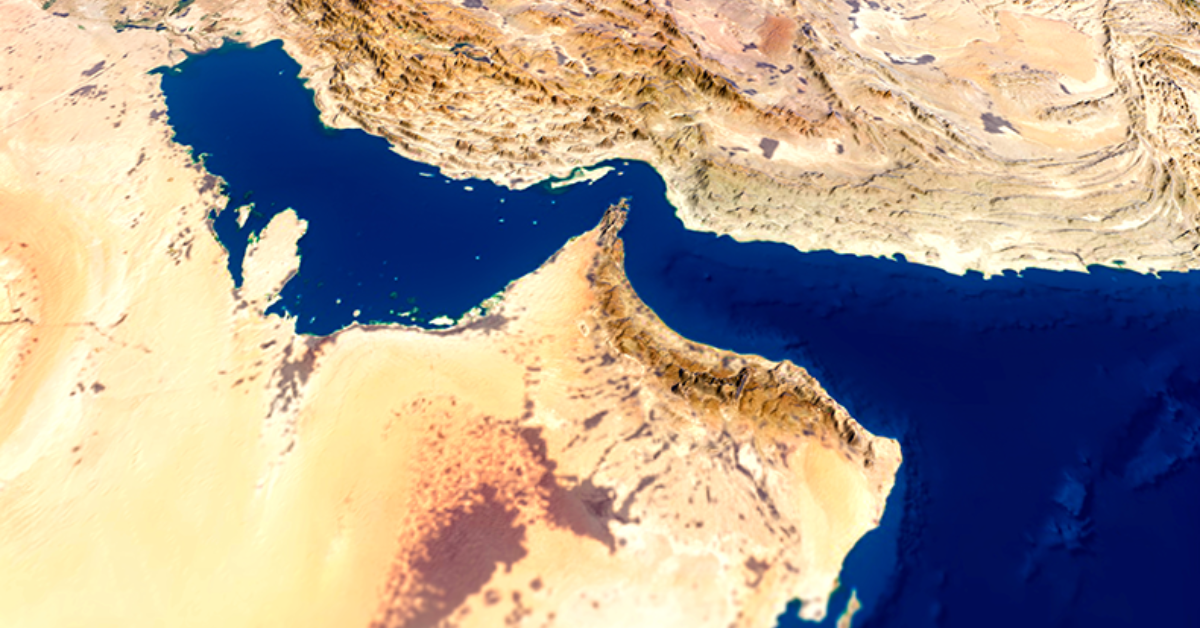
Exporters have been hit by prolonged transit times, re-routing of vessels and capacity constraints triggered by geopolitical tensions in the Persian Gulf and around the Strait of Hormuz. Many containers have been stuck at ports or on vessels in the region, leading to extended dwell times and unexpected storage and handling costs. By insisting that port-side concessions reach the end users in full, the shipping regulator is attempting to cushion some of these financial pressures and support the government’s broader RELIEF scheme, which aims to help exporters manage logistics disruptions.
Industry bodies have welcomed the clarification but also flagged the need for quick implementation on the ground, given that cash flows are already under strain. For logistics providers and port operators, the directive implies tighter oversight of their internal processes and information systems to ensure that any rebate or remission sanctioned by port authorities flows through to customers without delay. As the West Asia crisis continues to evolve, the effectiveness of such administrative interventions will be critical in determining whether India’s exporters can remain competitive despite higher freight, insurance and transit risks on key trade lanes.
 Join our WhatsApp channel for more updates:
 Subscribe to our YouTube channel for more updates: