




The West Asia maritime crisis entered a dangerous new phase this week as a drone attack on the Port of Salalah in Oman temporarily suspended all operations at one of the Indian Ocean region’s most important transshipment hubs — and news emerged that Houthi forces in Yemen have formally entered the wider West Asia conflict, threatening to open a new and highly disruptive front on the Red Sea and Bab-el-Mandeb shipping corridor.
Port authorities at Salalah halted vessel movements and all cargo handling operations as a precautionary measure following the drone strike, while comprehensive infrastructure and safety assessments were conducted. The shutdown created immediate disruption to berthing schedules, cargo discharge, and the transhipment operations that are Salalah’s commercial core — handling connections between mainlane Asia-Europe services and feeder networks distributing cargo across East Africa, the Gulf, and the Indian subcontinent.
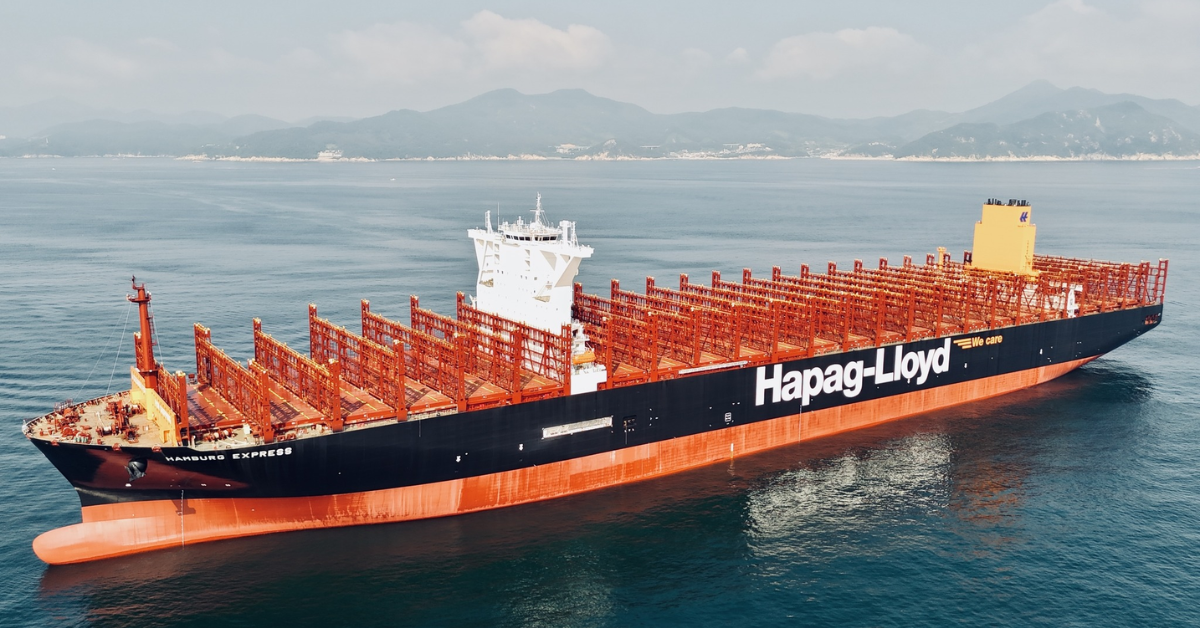
Hapag-Lloyd Reroutes Lisbon Express
In an immediate commercial response, Hapag-Lloyd rerouted its vessel Lisbon Express away from Salalah following reports of explosions in the vicinity, citing crew and cargo safety as its primary obligation. Both Hapag-Lloyd and Maersk issued advisory updates to customers confirming adjusted vessel schedules and contingency routings. Multiple shipping lines are now closely monitoring the situation and reassessing port calls on services that include Salalah in their rotation, with some already implementing diversions to alternative ports including Jebel Ali, Colombo, and Singapore.
For the broader supply chain, the Salalah disruption arrives at a particularly vulnerable moment. The port has been serving as one of the primary alternative transhipment points for cargo rerouted away from Persian Gulf ports since the Hormuz crisis began on February 28. Any sustained disruption at Salalah therefore eliminates one of the workaround options that shippers and carriers have been relying upon — compressing the available routing alternatives even further.
Houthis Enter the War: A New Maritime Threat
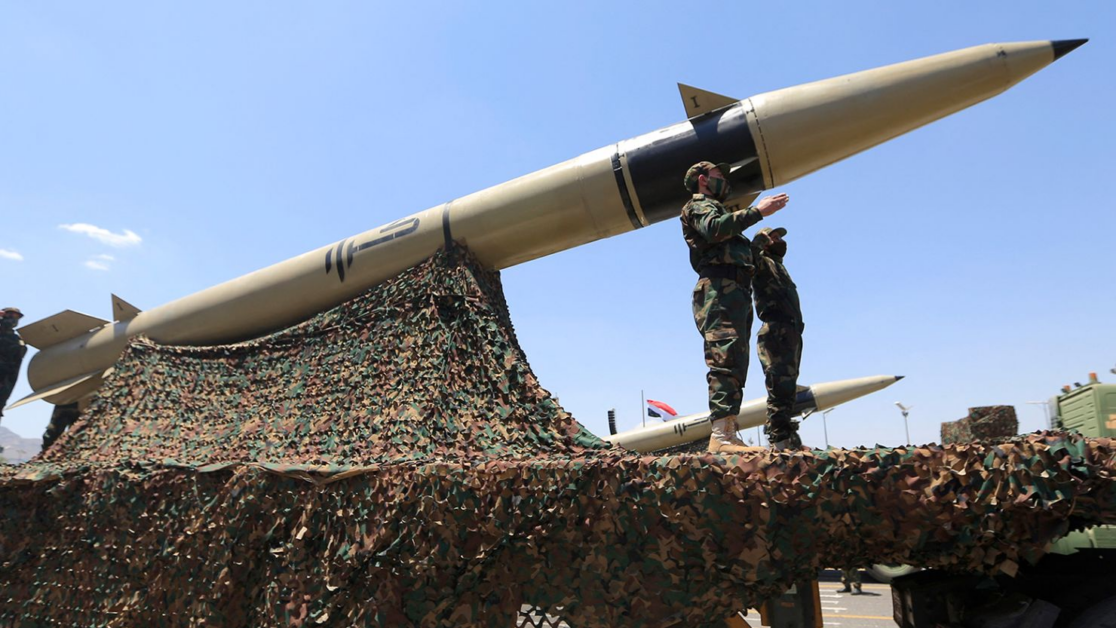
The Houthis’ formal entry into the wider West Asia conflict — which until now has been primarily a US-Israel-Iran confrontation — introduces an entirely new threat dimension for maritime trade. The Houthi movement controls territory along Yemen’s coastline and the Bab-el-Mandeb Strait, through which Red Sea shipping transits between the Indian Ocean and the Suez Canal. The Houthis demonstrated their maritime disruption capabilities dramatically during 2024-25, when drone and missile attacks on commercial vessels in the Red Sea forced the widespread rerouting of container traffic to the Cape of Good Hope.
The Houthis’ renewed entry into active conflict — now coordinated with Iran’s broader campaign — raises fears of a simultaneous attack on both the Hormuz strait and the Bab-el-Mandeb, which would effectively seal off all practical maritime routes between the Indian Ocean and the Mediterranean without going around the Cape of Good Hope. Analysts warn that this scenario would represent the most severe disruption to global shipping in peacetime history and would have immediate and severe consequences for global inflation, trade volumes, and supply chain resilience.
COSCO Navigates Hormuz on Retry
Against this worsening backdrop, COSCO Shipping’s successful transit of the Strait of Hormuz on a second attempt — after an earlier effort was turned back — provides a thin silver lining. The Chinese carrier’s navigation of the strait signals that at least some vessels continue to find a path through, with Chinese ships apparently benefiting from a degree of Iranian goodwill similar to what Indian vessels have enjoyed. However, the broader picture remains one of extreme fragility, with any further escalation capable of closing the strait completely.
 Join our WhatsApp channel for more updates:
 Subscribe to our YouTube channel for more updates: