




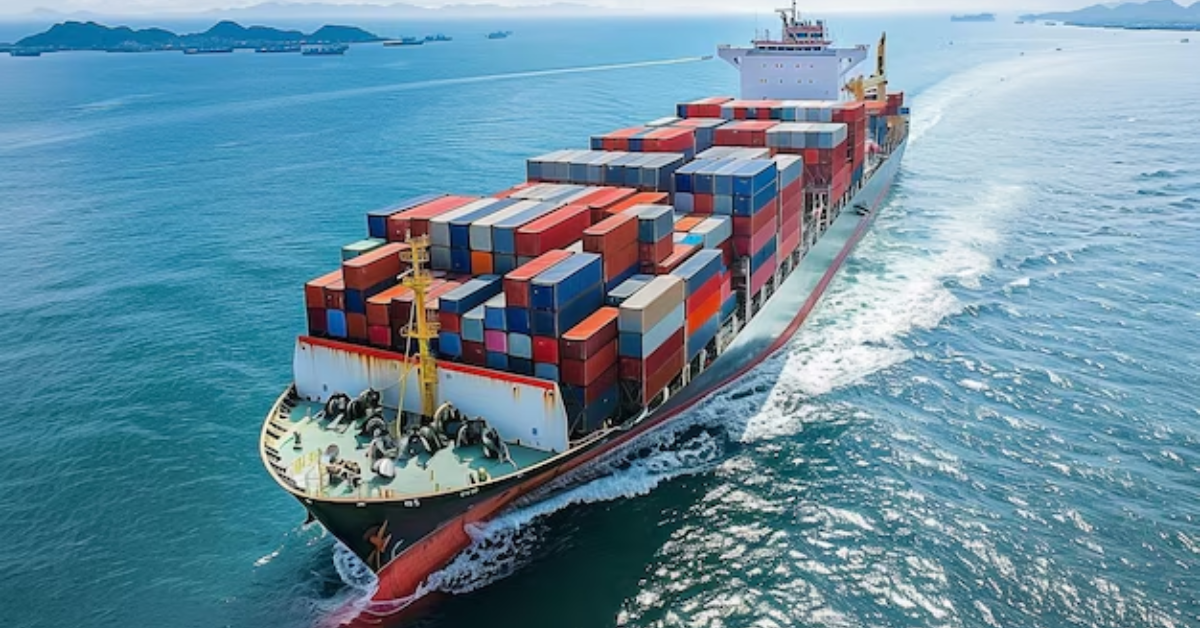

Peak season is approaching, and major container lines are preparing to push through rate increases on cargo moving from the Indian Subcontinent to the United States — raising alarm among exporters who fear a hit to their competitive edge.
Major container shipping lines are preparing to implement new General Rate Increases (GRI) and General Rate Adjustments (GRA) on cargo moving from the Indian Subcontinent — including India, Pakistan, Bangladesh, and Sri Lanka — to the United States and other North American destinations. The rate revisions are being timed to coincide with the annual build-up of peak shipping season demand, as carriers look to strengthen freight tariffs ahead of higher cargo volumes.
Shipping industry sources confirm that the planned increases will apply across a wide range of export categories originating from the region, including textiles, apparel, chemicals, engineering goods, pharmaceuticals, and consumer products. Carriers have cited rising operational costs, ongoing vessel capacity management, equipment repositioning expenses, and disruptions to global shipping networks as the key drivers behind the adjustments.
The rate hike push comes as container lines continue to manage vessel utilisation through a combination of blank sailings and schedule adjustments on key east-west and north-south trade lanes. Higher fuel prices, partly linked to geopolitical tensions in West Asia, have also contributed to cost pressures on carrier operations. At the same time, the US trade corridor has remained strategically important for Indian exporters, particularly as India-US trade volumes have been expanding in the wake of shifting supply chains and growing bilateral trade ties.
For Indian exporters, the proposed GRI/GRA levels are a matter of serious concern. Any sustained increase in ocean freight rates directly affects the landed cost of goods in destination markets, potentially squeezing already-thin margins for manufacturers and traders competing with exporters from Southeast Asia, China, and other low-cost origins. Sectors like ready-made garments, home textiles, and handicrafts — which already operate on tight margins — are particularly exposed.
Freight forwarders and logistics consultants advising Indian trade firms said they are closely monitoring the announcement timelines from carriers and advising clients to lock in forward bookings where possible. Market analysts noted that carriers have also been attempting to restore rate stability following periods of freight volatility in 2024–25, with pricing trends also influenced by inventory replenishment cycles in the US and seasonal consumer demand ahead of the holiday shopping season.
From a broader policy perspective, the India-US trade relationship has been gaining momentum, with ongoing bilateral trade agreement negotiations covering goods, services, and supply chain integration. Rising freight rates, however, could partially offset the trade facilitation benefits of any agreement. Indian trade bodies are expected to raise the issue with shipping authorities and the ministry of commerce, calling for regulatory scrutiny of carrier rate-setting practices on key trade lanes.
The rate hikes, if confirmed and sustained, would represent yet another cost headwind for India’s export sector, which is already navigating fuel price pressures, logistics disruptions, and volatile exchange rates. Stakeholders are watching closely to see whether demand-side strength from the US market will absorb the increases or push importers to seek alternative sources.
 Join our WhatsApp channel for more updates:
 Subscribe to our YouTube channel for more updates: