


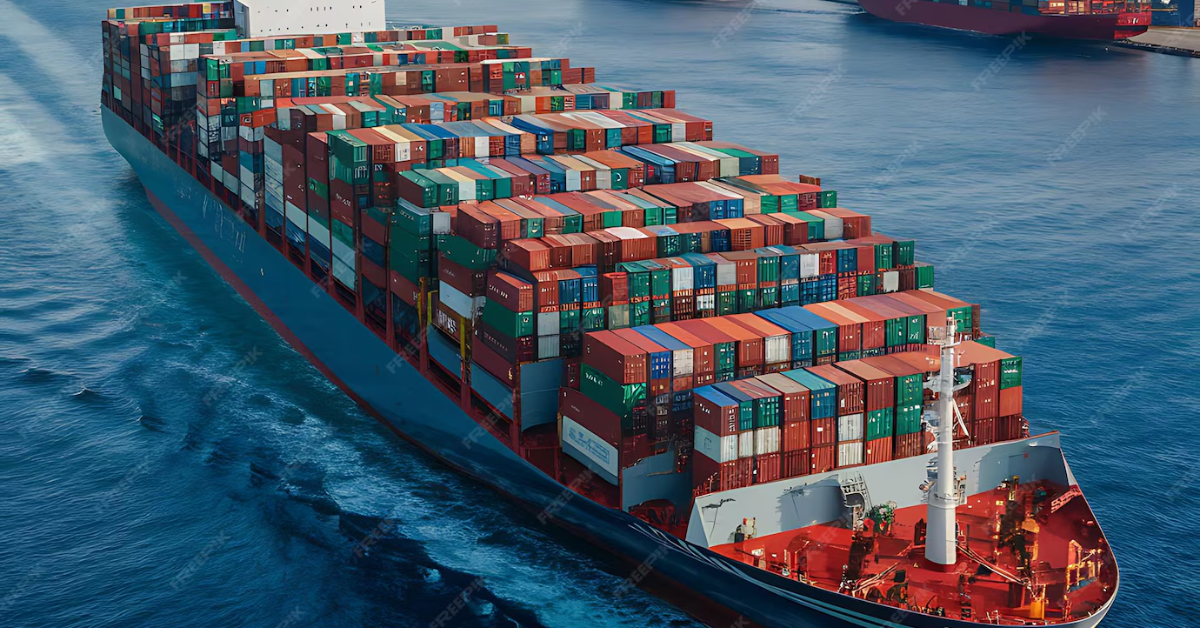

The Government of India has moved to reinstate full benefits under the Remission of Duties and Taxes on Exported Products (RoDTEP) scheme for exporters impacted by the ongoing West Asia crisis — a significant policy intervention aimed at offsetting the surge in logistics costs and supply chain disruptions that have eroded the competitiveness of Indian exports since the Strait of Hormuz closure began in late February.
RoDTEP, which refunds embedded central, state, and local taxes and levies that are incurred in the production and export of goods but not otherwise reimbursed, is one of the most important financial support mechanisms available to Indian exporters. The scheme had previously been operating at less than full rates for certain product categories due to fiscal constraints, but the West Asia crisis has prompted the government to restore complete coverage to help exporters absorb the extraordinary cost burden of the current disruption.
Who Benefits and How
The reinstatement of full RoDTEP rates is particularly significant for labour-intensive export sectors — including textiles, readymade garments, leather goods, handicrafts, marine products, and agricultural commodities — which operate on thin margins and have been among the hardest hit by the combination of higher freight rates, War Risk Surcharges, and longer transit times caused by Hormuz-related rerouting.
By restoring full reimbursement of embedded taxes, the government is effectively subsidising part of the cost increase that exporters have been unable to pass on to overseas buyers — many of whom have pre-agreed contracts at fixed prices that do not account for crisis-driven logistics cost escalation.
GIFT City Ship Registration: A Calibrated New Policy
In a separate but related policy development, the government is also considering a calibrated framework for ship registration by entities operating from GIFT City (Gujarat International Finance Tec-City). Under the proposal, GIFT City-based shipping companies would be permitted to adopt a ‘one-in, one-out’ model — registering one vessel under a foreign flag and the next under the Indian registry in equal proportion.
The approach mirrors elements of the Indian Controlled Tonnage (ICT) scheme introduced in 2014, which allowed Indian shipping firms to flag out vessels while retaining operational control. The new framework aims to attract international shipping investment and financing activity to GIFT City’s maritime finance ecosystem, while protecting domestic fleet interests by ensuring that foreign-flag registrations are balanced with a commensurate growth in Indian-registered tonnage.
Ceramic and Rice Exporters Flag War Risk Surcharge Crisis
The urgency of these policy interventions is underscored by sector-specific distress signals from across India’s export community. Ceramic exporters from Gujarat’s Morbi hub — the world’s largest ceramic tile manufacturing cluster — have warned that War Risk Surcharges of USD 1,500 to USD 2,000 per container are eroding margins on consignments already in transit or contracted before the crisis. Rice exporters, meanwhile, report that over 80 per cent of non-basmati rice export cargo is currently stranded at anchorage off major Indian ports, with vessels anchored offshore for days due to congestion and the absence of Gulf-bound sailings.
 Join our WhatsApp channel for more updates:
 Subscribe to our YouTube channel for more updates: