



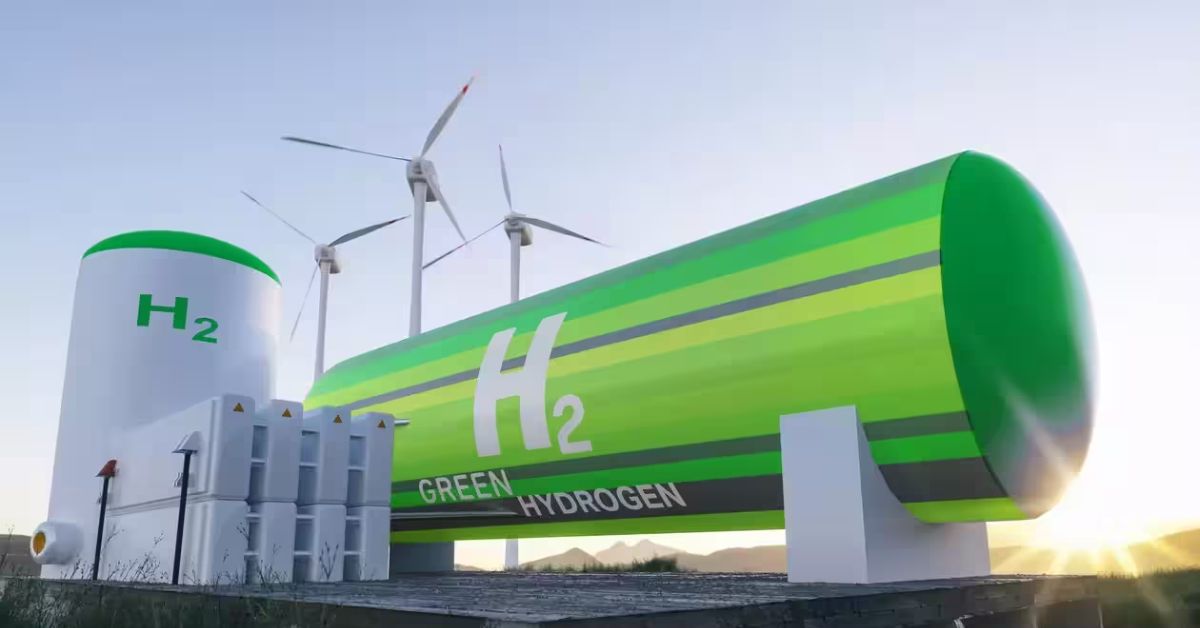

A total expenditure of Rs 292 crore has been incurred under the National Green Hydrogen Mission as of August 6, 2026, Minister of State for New and Renewable Energy and Power Shripad Yesso Naik said in a written reply to Parliament.
What is the scale and objective of the National Green Hydrogen Mission?
The mission was approved by the Union Cabinet in January 2023 with a total outlay of Rs 19,744 crore, aimed at establishing green hydrogen production capacity of 5 million tonnes per annum by 2030. Against this substantial allocation, actual expenditure to date stands at a modest Rs 292 crore, reflecting the mission’s early implementation stage.
How has funding been deployed under the SIGHT programme?
Under the Strategic Interventions for Green Hydrogen Transition programme, the mission’s key incentive mechanism, 3,000 MW per annum of electrolyser manufacturing capacity has been awarded to 15 companies, while 756,100 tonnes of green hydrogen production capacity has been allocated to eligible firms.
What maritime and shipping-related projects have been sanctioned?
Among the pilot initiatives, V O Chidambaranar Port Authority has been awarded a project to develop a bunkering and refuelling facility for green methanol at the port, while the Shipping Corporation of India has been awarded a project to acquire a dual-fuel ship capable of running on green methanol. These maritime pilots form part of the mission’s broader push to decarbonise shipping alongside its steel and mobility sector initiatives.
What other pilot projects has the mission sanctioned?
Four pilot projects have been sanctioned for the use of hydrogen in the steel sector, while 12 pilot projects have been approved for deploying 70 hydrogen-fuelled vehicles and 16 hydrogen-refuelling stations across 21 routes in India. Additionally, four projects have been awarded as Hydrogen Valley Innovation Clusters, spanning Jodhpur, Odisha, Pune and Kerala.
What does this mean for India’s green hydrogen and maritime decarbonisation ambitions?
While overall expenditure remains a small fraction of the mission’s total outlay at this stage, the spread of sanctioned pilot projects across steel, mobility, hydrogen valleys and, notably, port bunkering and dual-fuel shipping, signals the government’s intent to build early-stage green hydrogen infrastructure across multiple sectors, including maritime transport, as the country works toward its 2030 production and investment targets.
 Join our WhatsApp channel for more updates:
 Subscribe to our YouTube channel for more updates: