


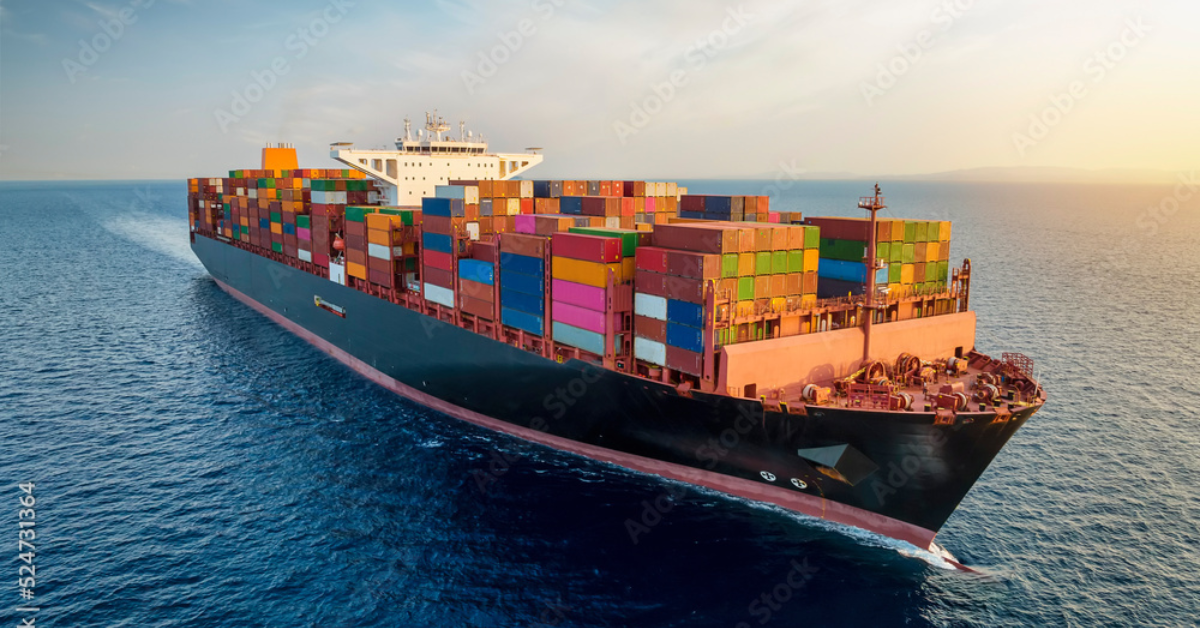

The Indian government has intensified its engagement with exporters as tensions in West Asia disrupt key shipping routes and raise concerns over trade flows, convening high-level meetings to gather feedback and troubleshoot emerging logistics bottlenecks. The commerce ministry recently held a series of consultations with export promotion councils, commodity boards, ports, shipping lines and logistics stakeholders to address challenges relating to packaging, shipping and port operations linked to the crisis.
Commerce Secretary Rajesh Agrawal chaired at least two meetings focused on the impact of the West Asia situation on exporters’ ability to move cargo efficiently and cost-effectively. According to officials, participants raised issues ranging from vessel availability and route uncertainty to congestion risks at transhipment hubs and higher insurance premiums. The discussions also covered implementation of recently announced support measures, including the RELIEF (Resilience & Logistics Intervention for Export Facilitation) scheme designed to help exporters cope with elevated freight and logistics costs.
In parallel, the government has set up an inter-ministerial monitoring mechanism to track fast-changing developments in the region and their bearing on India’s trade. This group meets regularly to assess tensions in West Asia, particularly around the Strait of Hormuz, and to evaluate how potential disruptions to energy and container shipping could affect exporters and importers. Commerce Minister Piyush Goyal has indicated that the government is keeping close watch on the situation and remains open to feedback from industry so that responses can be adjusted quickly.
For exporters, the immediate concerns relate to shipment delays, re-routing, and capacity constraints, especially on routes that rely on Gulf ports and transhipment points. The crisis has added time and cost to supply chains, raising questions about delivery commitments and contract performance in sectors ranging from engineering goods to perishables. The government’s outreach is aimed at identifying specific friction points, such as port-side documentation issues, availability of empty containers, and coordination with shipping lines on alternative routings.
While the consultations signal a proactive approach, trade bodies have emphasised the need for clear, timely communication and predictable support frameworks as the situation evolves. Exporters are seeking not just financial relief but also practical guidance on risk management, route diversification and use of alternative modes where feasible. The coming weeks will show whether the combination of daily monitoring, policy tweaks and targeted schemes can sufficiently mitigate the impact of West Asia tensions on India’s export momentum.
 Join our WhatsApp channel for more updates:
 Subscribe to our YouTube channel for more updates: