


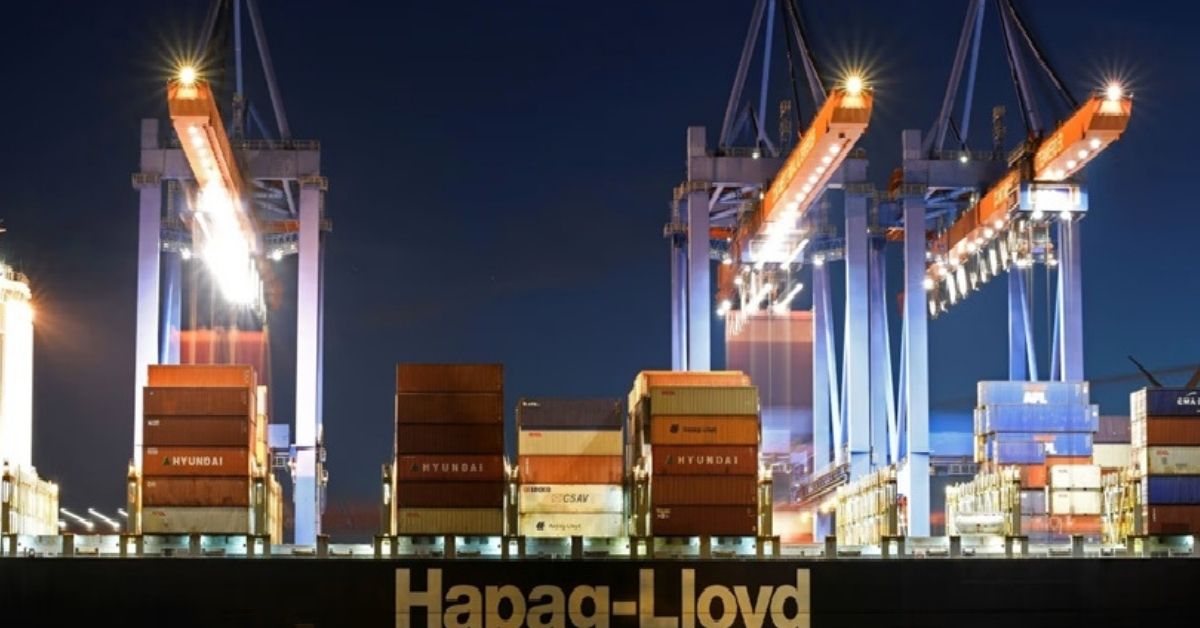

Hapag-Lloyd has taken full control of Florida International Terminal (FIT) at Port Everglades after its terminal and infrastructure arm, Hanseatic Global Terminals (HGT), completed the acquisition of its partner’s remaining stake.
The transaction involves the buyout of shares held by Chilean shipping and logistics group Grupo Empresas Navieras (GEN) through its US affiliate, Agunsa Universales (AGUNSA USA). With the deal, HGT becomes the sole owner of FIT, reshaping the terminal’s ownership and capital structure and placing the South Florida facility entirely under Hapag-Lloyd’s control.
GEN disclosed in a regulatory filing with Chile’s Comisión para el Mercado Financiero that the sale was concluded for USD 28.97 million. The group said the transaction is expected to generate a net profit of around USD 15.5 million after expenses and taxes. The acquisition was confirmed on 9 January 2026.
Located at Port Everglades, Florida International Terminal is a key gateway serving the US Southeast and one of the world’s largest consumer markets. The terminal handles both containerised and general cargo and plays an increasingly important role in regional and international trade flows. FIT handled 333,262 TEU in 2024 and has a designed annual capacity of about 500,000 TEU.
Port Everglades as a whole posted its strongest-ever container performance in FY2025, with preliminary figures indicating total throughput of 1.17 million TEU across all terminals, underlining the port’s growing strategic importance.
For HGT, the acquisition strengthens its North American footprint and aligns with its broader strategy of securing long-term access and control at critical gateways. Hanseatic Global Terminals was established in 2023 as an independent business unit within the Hapag-Lloyd Group, with a dedicated focus on terminal and infrastructure investments. The company currently holds interests in 21 terminals worldwide and has outlined plans to expand this portfolio to around 30 terminals by the end of the decade.
The Florida deal marks another step in the wider trend of liner-backed terminal operators deepening their involvement in port infrastructure as they seek greater control over capacity, efficiency, and resilience across global supply chains.
 Join our WhatsApp channel for more updates:
 Subscribe to our YouTube channel for more updates: