



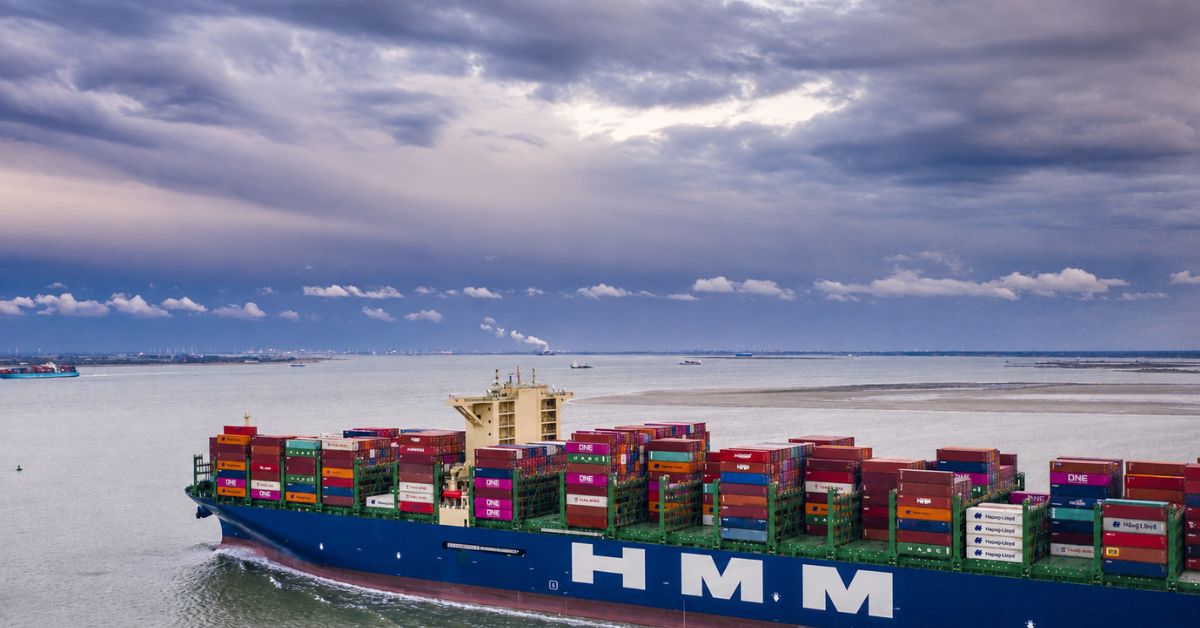

HMM, South Korea’s largest container shipping line, will launch a new Gulf-India-East Africa Service in September, extending the hub-and-spoke network strategy that has become the centrepiece of its global expansion under CEO Choi Won-hyuk.
What is the route structure of the new service?
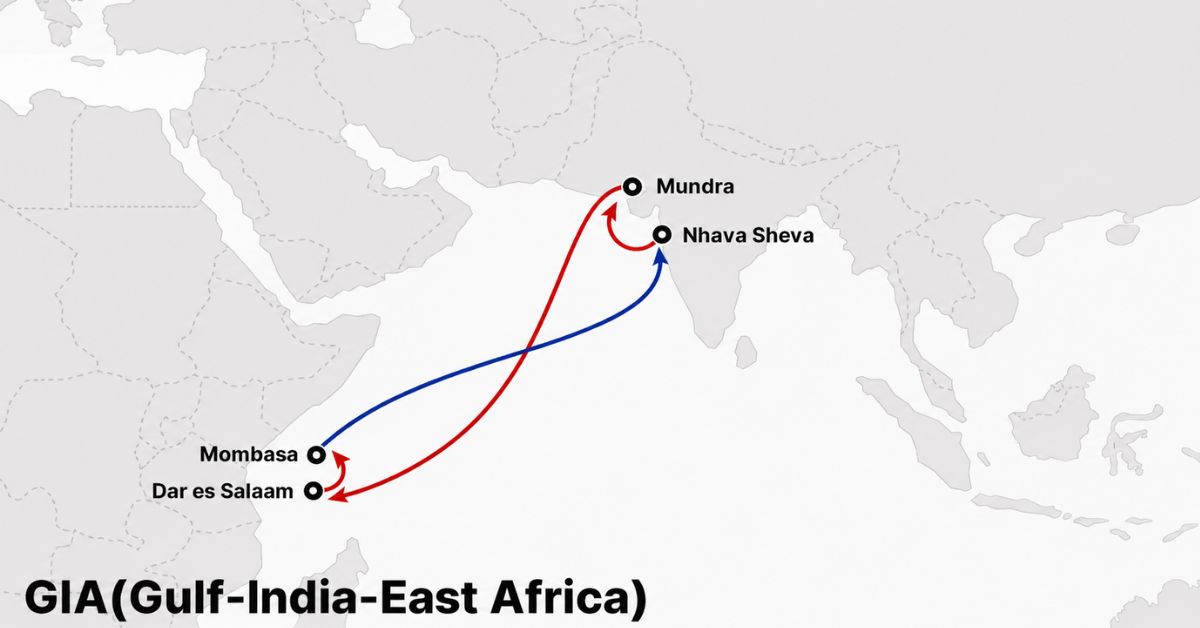
The GIA service will use the Indian ports of Nhava Sheva and Mundra as regional hubs, connecting cargo from India and Central Asia to East Africa. The port rotation will run Nhava Sheva, Mundra, Dar es Salaam in Tanzania, and Mombasa in Kenya, before returning to Nhava Sheva. The inaugural sailing is scheduled to depart Nhava Sheva in the fourth week of September, with five 2,800 TEU container ships deployed on the route.
Who is HMM partnering with to operate this service?
HMM will jointly operate the GIA service with China’s COSCO Shipping, Singapore’s Pacific International Lines and Taiwan’s Interasia Lines, bringing the total number of carriers involved to four. The company has said it plans to eventually extend the route into the Gulf region as market conditions develop.
How does this fit into HMM’s broader African network strategy?
The new service marks HMM’s second African feeder network, building on its existing MA2 route connecting North and West Africa through a hub in Algeciras, Spain. With the GIA service, the carrier now has a bridgehead linking East Africa to its existing network, positioning it for continued expansion across the continent over the medium to long term. HMM noted that Kenya and Tanzania are key East African gateway ports where ongoing port infrastructure and inland logistics development are expected to significantly improve service convenience for cargo owners.
Why is HMM introducing this service now?
HMM said the launch responds to changing shipper requirements, with businesses increasingly seeking reliable schedules, diversified routing options and resilient supply chains amid continued global trade uncertainty. The move aligns with HMM’s broader hub-and-spoke strategy, under which large vessels handle major global trade routes while smaller feeder ships extend reach to additional regional ports.
How does this connect to HMM’s fleet expansion plans?
The launch comes as HMM continues to scale up its container fleet toward a target of 1.47 million TEU across 166 vessels by 2030, with the carrier actively securing feeder tonnage to work alongside its larger ocean-going ships and improve overall network efficiency.
What did HMM say about the significance of this route?
An HMM official said the launch of the GIA service marks an important milestone in expanding the company’s hub-and-spoke strategy across Africa, adding that HMM will continue to grow its presence in high-potential markets and enhance customer satisfaction through differentiated service offerings.
 Join our WhatsApp channel for more updates:
 Subscribe to our YouTube channel for more updates: