




Iran permits 32 commercial vessels through the world’s most critical maritime chokepoint, but tightens the grip on general shipping, stoking energy market anxiety
Iran’s navy announced this week that a convoy of 32 commercial vessels, including oil tankers, container ships, and other merchant vessels, has successfully transited the strategically critical Strait of Hormuz, but only after receiving carefully coordinated clearance from the Islamic Revolutionary Guard Corps (IRGC) Navy, according to Iranian semi-state media reports.
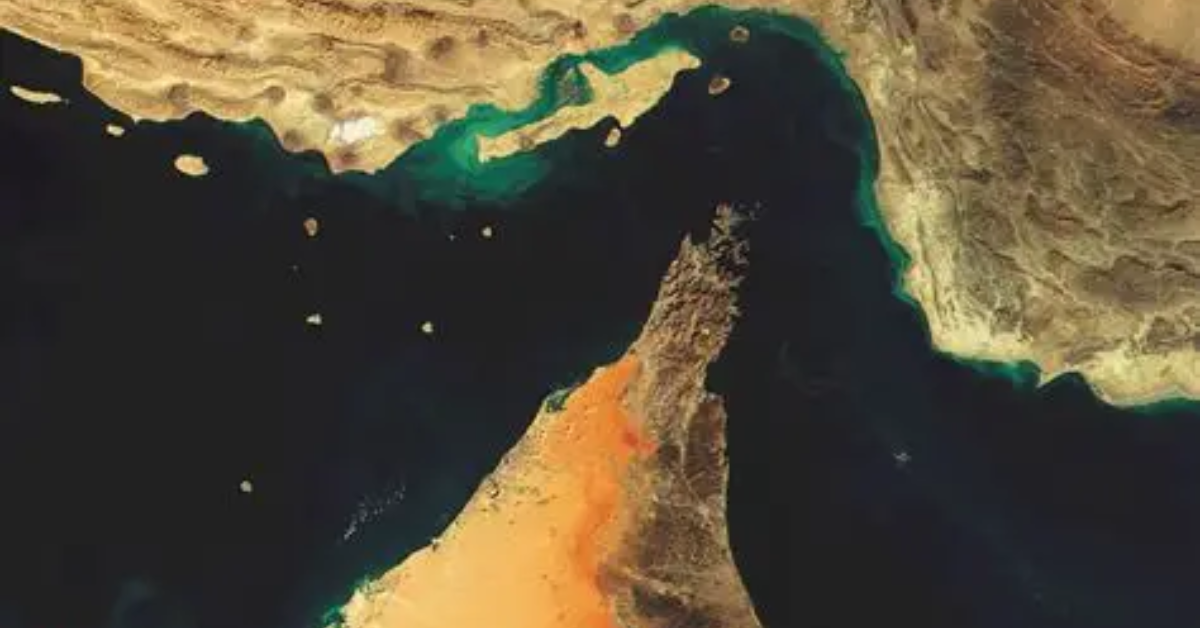
The controlled passage underscores a new and deeply unsettling reality for global shipping: that one of the world’s busiest and most essential maritime arteries is now effectively operating under a permission-based system managed by the IRGC. The Strait of Hormuz, a narrow 33-kilometre-wide chokepoint between Iran and Oman, is the conduit for approximately 21 million barrels of crude oil per day, roughly one-fifth of the world’s total petroleum consumption. About 30% of all seaborne traded crude oil passes through it.
General vessel transit through the strait remains restricted, with ships required to navigate a complex and opaque clearance process. Shipping industry sources report rising anxiety among vessel operators, with war risk insurance premiums for Gulf passage having surged significantly in recent months. Tanker owners and container shipping companies have been reviewing contingency plans, including longer Cape of Good Hope routes, though at significantly higher fuel and time costs.
For India, the stakes are enormous. India is the world’s third-largest oil importer, with roughly 85% of its crude coming from the Middle East and the Gulf region. Any disruption to Hormuz passage directly threatens India’s energy security. India imports approximately 4–5 million barrels of crude oil per day, a figure that has grown sharply as the Indian economy has expanded. Key Indian refinery operators including Indian Oil Corporation, Bharat Petroleum, and Reliance depend heavily on Gulf crude.
India has been walking a diplomatic tightrope with Iran, maintaining cordial ties and continuing crude imports from Iran even amid Western sanctions, though volumes have fluctuated with the sanction’s regime. Disruption at Hormuz would also affect India’s exports to Gulf markets, engineering goods, textiles, food products, and remittances from the roughly 9 million Indian workers in Gulf countries.
The International Maritime Organization (IMO) has been monitoring the situation closely, though its capacity to intervene in a geopolitical standoff is limited. The United States Fifth Fleet, headquartered in Bahrain, has maintained a presence in the region, but has been cautious about provoking a confrontation.
Indian shipping companies, including the Shipping Corporation of India (SCI), are reportedly reviewing their operational protocols for Gulf sailings. Meanwhile, the broader shipping market is watching developments with extreme caution — any escalation that fully closes Hormuz, even temporarily, would send oil prices and freight rates into stratospheric territory, with ripple effects across the global economy and India’s own inflation outlook.
 Join our WhatsApp channel for more updates:
 Subscribe to our YouTube channel for more updates: