




A recovery in tanker traffic through the world’s most critical oil chokepoint masks a deeper fragility, and Iran’s new transit charges add another layer of uncertainty.
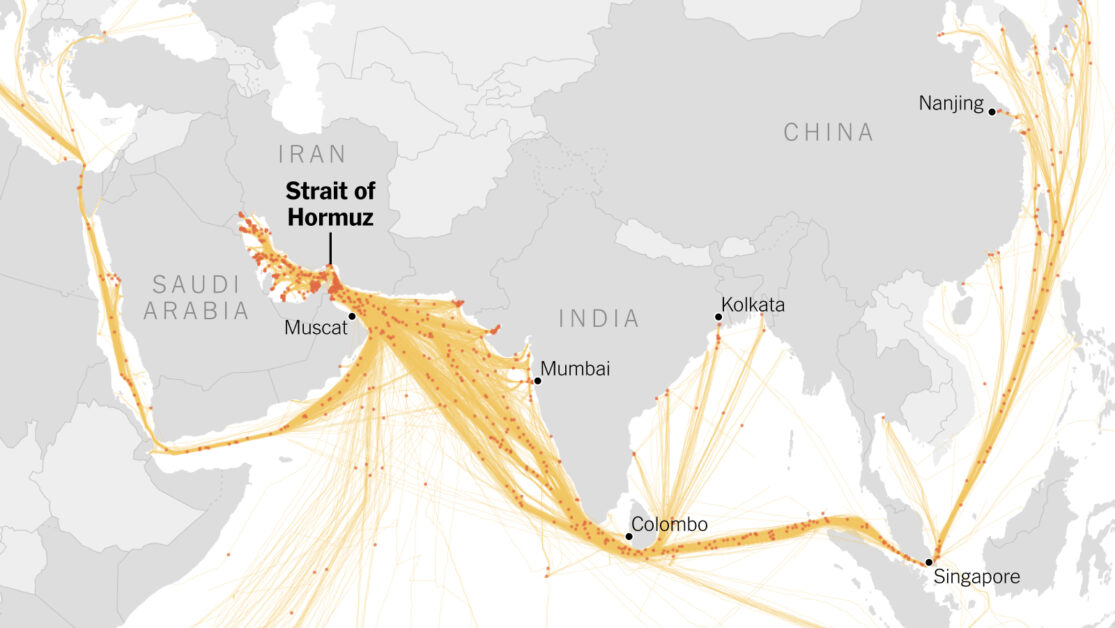
Shipping through the Strait of Hormuz — the narrow passage through which nearly a fifth of the world’s oil and LNG flows during peacetime — showed signs of partial recovery last week, but analysts and maritime watchers say the rebound should be read with considerable caution.
Data from maritime analytics firm Kpler showed 55 commodity vessels transiting the waterway in the week of May 11–17, a sharp bounce from just 19 vessels the previous week. That prior figure represented the lowest weekly transit count since the current Middle East conflict escalated following US-Israeli strikes on Iran on February 28. Iranian state media attributed the partial recovery to a decision by the Islamic Revolutionary Guard Corps (IRGC) to ease restrictions on vessel movements, with more than 30 vessels reportedly permitted to pass through the strait.
The recovery is welcome but deceptive. Since March 1, Kpler has tracked a total of 663 commodity vessels crossing the strait—an average of roughly 55 ships per week. Last week’s figure, in other words, simply returned to that suppressed wartime baseline. In pre-conflict times, the strait would typically see significantly higher weekly throughput, making the current volume still a pale shadow of normal operations.
The cargo mix tells its own story. About half of last week’s transiting vessels were liquid cargo carriers, including three very large crude carriers (VLCCs) bound for China, Oman, and Japan. Fifteen dry bulk vessels and 16 LPG tankers also made the crossing. However, only a single LNG tanker — carrying Qatari gas to Pakistan — transited the strait during the week. Since the conflict began, only eight LNG tankers in total have crossed the Hormuz, pointing to severe disruption in LNG trade flows from one of the world’s most important gas export corridors.
Iran’s posture adds further uncertainty. Tehran has repeatedly stated that shipping activity through the strait will not return to pre-war levels under the current geopolitical conditions. On the same day the rebound figures emerged, Iranian authorities announced the formation of a new governmental body to oversee vessel transits and collect fees from ships using the passage — a move that shipping operators have interpreted as an attempt to assert tighter state control over what Tehran increasingly regards as a strategic lever.
China’s relationship with the strait has also become complicated. Iranian officials have suggested that vessels from countries complying with US sanctions on Iran may face transit restrictions, effectively politicising access to the corridor. Kpler data for last week showed only three commodity vessels linked to China — through ownership, flag, or cargo — crossing the strait, along with two Hong Kong-flagged ships. Chinese and Indian cargoes have remained among the most frequent non-Gulf destinations for commodities transiting Hormuz since the conflict began, making both countries acutely exposed to any further tightening of access.
For India, the implications are direct and significant. Indian crude imports from the Gulf, which account for a large share of the country’s energy supply, depend on safe and uninterrupted passage through the strait. Indian refiners and energy planners are watching closely, and the government’s maritime control room — already handling thousands of calls related to seafarer welfare — is simultaneously tracking cargo and energy transit developments.
The path forward depends heavily on the stalled diplomatic negotiations between Iran and the United States. With no breakthrough in sight, the Hormuz bottleneck is likely to remain a source of volatility for global shipping, energy markets, and India’s import bill for the foreseeable future.
 Join our WhatsApp channel for more updates:
 Subscribe to our YouTube channel for more updates: