




With hundreds of vessels unable to navigate the Strait of Hormuz, energy trade routes are being dramatically redrawn, and the implications for global freight costs, India’s oil imports, and supply chain stability are far-reaching.
The Strait of Hormuz, one of the world’s most critical maritime chokepoints, is again at the centre of global shipping disruptions. Ongoing geopolitical tensions in the region have severely curtailed vessel movements through the strait, forcing energy exporters and shipping operators to seek alternative corridors — with the Panama Canal emerging as the most significant beneficiary.
According to data from BIMCO, the Baltic and International Maritime Council, average daily ship transits through the Panama Canal have risen 8% year-on-year in 2026, reaching 38 vessels per day. Tanker traffic has been the dominant driver of the surge, as US crude and liquefied energy exports to Asia and the western Americas accelerate to compensate for the tightening of Middle East supply chains. Over the past five weeks alone, transit volumes through the canal rose 16% year-on-year, underlining the speed at which shipping patterns are shifting.
“So far this year, ship transits via the Panama Canal have increased 8% y/y to a daily average of 38, driven by the tanker sector. Transits have been especially high during the past five weeks, rising 16% y/y, as US energy exports to the Pacific jumped,” noted BIMCO analyst Filipe Gouveia.
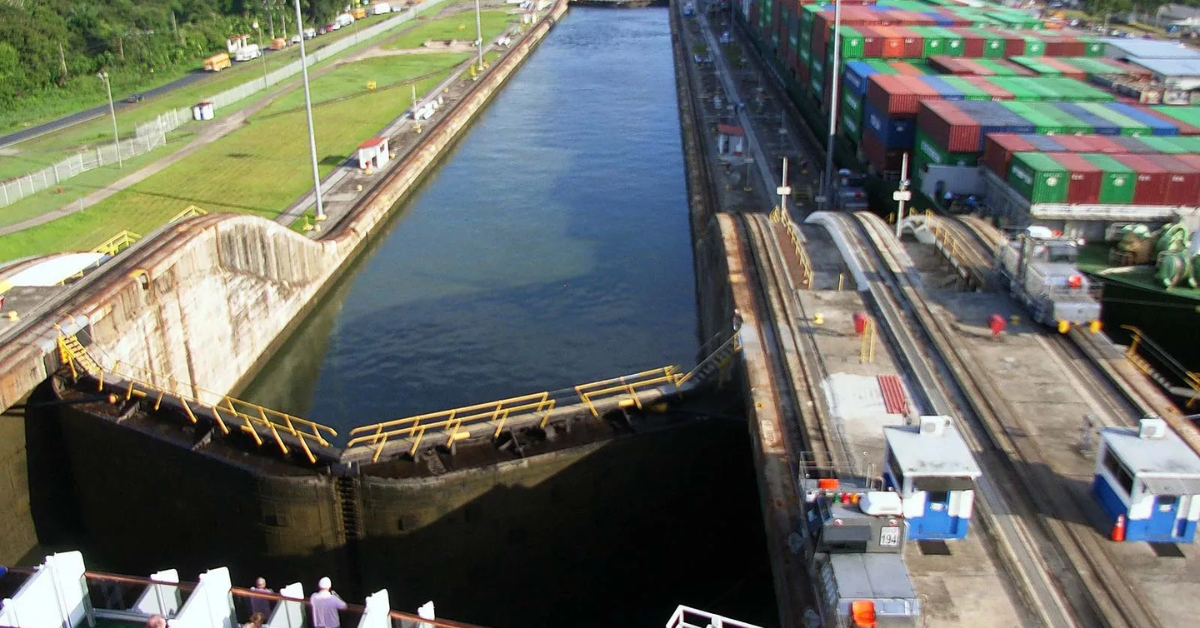
The ripple effects are spreading across the global freight market. The Panama Canal, which currently operates near its maximum daily capacity of 36–40 transits, is facing mounting congestion pressures. Competition for auctioned last-minute transit slots has sharply inflated prices, while average vessel waiting times have climbed 50% year-on-year to 47 hours. Container vessels, LPG carriers, oil tankers and bulk carriers together account for roughly 77% of all canal transits.
For India, the disruptions at Hormuz carry particular weight. Approximately 80% of India’s crude oil imports transit through or near the Strait of Hormuz, linking the country’s energy security directly to conditions in the Persian Gulf. Any prolonged restriction on vessel movements through the strait could push up import costs, strain refinery operations and contribute to inflationary pressures on fuel and petrochemical-dependent industries.
Shipping operators globally are evaluating alternative routes, including the Cape of Good Hope and Cape Horn, despite the longer voyage distances and higher fuel consumption that such diversions entail. These longer routes can sometimes offset expensive canal transit fees, but they add days to delivery timelines and reduce fleet efficiency, a difficult trade-off in already stretched supply chain conditions.
The pressure on the Panama Canal is expected to intensify in the near term. The Panama Canal Authority has announced scheduled maintenance work on the east lane of the Panamax locks from June 9–17, temporarily reducing available transit slots by ten per day. Combined with already elevated demand, this maintenance window could further drive up slot prices and waiting times, with potential knock-on effects for container shipping schedules worldwide.
Global freight market analysts are closely monitoring the situation for signals of broader rate increases. When major shipping arteries become congested simultaneously, the cascading effect on freight rates, port turnaround times and inventory management can be substantial. For India’s export community, which has been navigating an already volatile freight environment, the convergence of Hormuz and Panama Canal pressures could prove to be a critical factor shaping logistics costs over the coming months.
 Join our WhatsApp channel for more updates:
 Subscribe to our YouTube channel for more updates: