



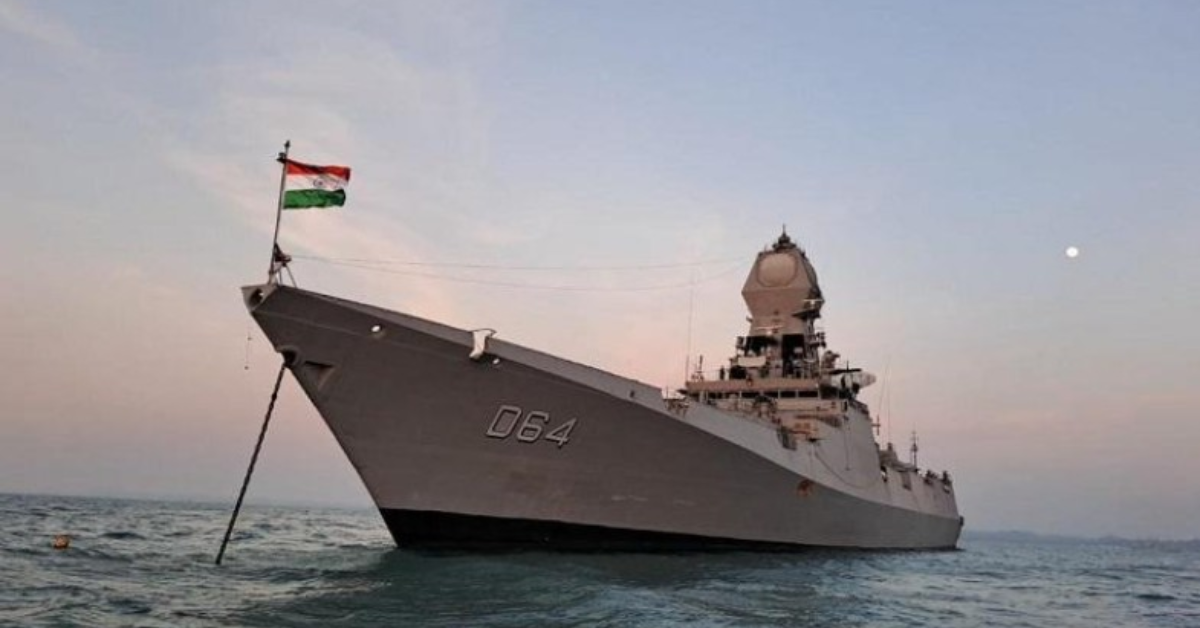

As the West Asia conflict continues to disrupt one of the world’s most critical energy corridors, India has successfully coordinated the safe passage of dozens of Indian-flagged vessels through the Strait of Hormuz, reducing the number of stranded ships from 36–38 to just 13 since February 2026.
Key Facts
How India is Ensuring Safe Passage
India has used diplomatic coordination as its primary tool. The Ministry of External Affairs (MEA) maintains active contact with Iran and other regional countries to secure safe, unimpeded transit for Indian vessels. MEA spokesperson Randhir Jaiswal confirmed that discussions over several days helped facilitate the safe passage of six ships in May 2026 alone.
Iran has stated that “non-hostile vessels” can transit the waterway after proper coordination, which India has leveraged through diplomatic channels.
Energy Security Stakes
The Strait of Hormuz is critical for India’s energy imports. Much of the country’s crude oil imports from the Middle East pass through this chokepoint, making secure shipping essential for energy supplies. Currently, 28 Indian-flagged vessels operate in the Persian Gulf region:
- 24 ships (677 Indian seafarers) are west of the Strait of Hormuz
- 4 vessels (101 Indian crew members) are east of the strait
Human Cost
The conflict has taken a toll on Indian seafarers. Three Indian sailors have been killed and one remains missing following maritime incidents in the Persian Gulf. Of 78 Indian seafarers on affected foreign-flagged ships, 70 escaped unharmed and four were injured but stable.
Despite the ongoing hostilities between the US, Israel, and Iran, India has maintained a steady flow of shipping through the region, prioritizing the safety of Indian-flagged vessels and crew.
 Join our WhatsApp channel for more updates:
 Subscribe to our YouTube channel for more updates: