




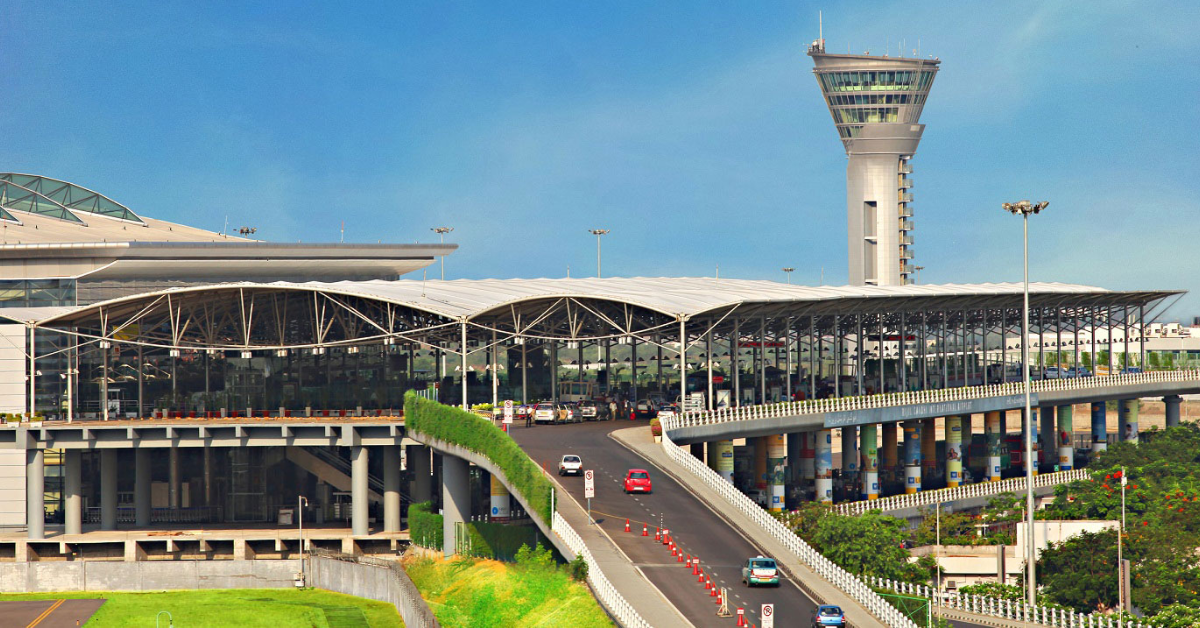

GMR Hyderabad International Airport Ltd. has formally inaugurated Cargo Terminal 2, significantly boosting the airport’s cargo-handling capabilities and cold-chain infrastructure.
The 16,864 square meter facility is engineered for operational efficiency with built-in scalability for future growth. The terminal will initially operate with an annual capacity of roughly 50,000 metric tons and has provisions for expansion to handle up to 100,000 metric tons per year.
Kadhir Kadhiravan, CEO of GMR Hyderabad International Airport, highlighted that the terminal is specifically designed to cater to high-value and time-critical cargo segments, including pharmaceuticals and express shipments, delivering improved speed, accuracy, and reliability.
Spanning 16,864 square meters, the terminal is equipped to handle a wide range of cargo types, including pharmaceuticals, perishables, express shipments, and general freight. The timing is significant—the airport processed 168,052 metric tonnes of cargo in FY25, a 17% jump from the previous year, with international freight volumes surging an even sharper 28%.
A Terminal Built Around Pharma
The standout element of the new facility is its fully temperature-controlled pharmaceutical zone. Designed from the ground up for sensitive cargo, it features advanced temperature cut-off systems and round-the-clock monitoring technology to maintain cold-chain integrity throughout the handling process — from the moment a shipment arrives at the terminal to the point it is loaded onto an aircraft.
This is a meaningful upgrade for a city that ranks among India’s largest pharmaceutical manufacturing and export centres. Cold-chain reliability has long been one of the weaker links in air freight logistics, and the dedicated infrastructure directly addresses that gap.
Faster Processing, Less Congestion
The terminal also features generously sized build-up and breakdown areas, where shipments are assembled into or dismantled from unit load devices. The expanded capacity allows multiple consignments to be processed at the same time, cutting down on the bottlenecks that typically build up during peak cargo hours.
Supporting infrastructure includes enhanced airside and landside connectivity, dedicated road access, and a robust power supply setup — all aimed at keeping cargo moving efficiently through the facility.
What It Means for the City
For Hyderabad, the new terminal signals a step up in its ambitions as a logistics and trade hub. Faster, more reliable cargo handling benefits exporters, particularly in the pharmaceutical and perishables sectors, by reducing transit risk and improving turnaround times. For the broader economy, it strengthens the city’s position as a gateway for international trade in southern India.
 Join our WhatsApp channel for more updates:
 Subscribe to our YouTube channel for more updates: