



60 Lakh Tonnes Basmati Stranded; Auto Exports Under Pressure; Maldives Gets India Sugar
India’s trade and energy landscape was reshaped this week by a cluster of developments spanning the Chabahar Port investment, the basmati rice crisis, automobile export headwinds, and the deepening of India’s energy supply diplomacy with its Indian Ocean neighbours — all connected by the thread of a West Asia conflict that is now completing its fifth week with no clear resolution in sight.
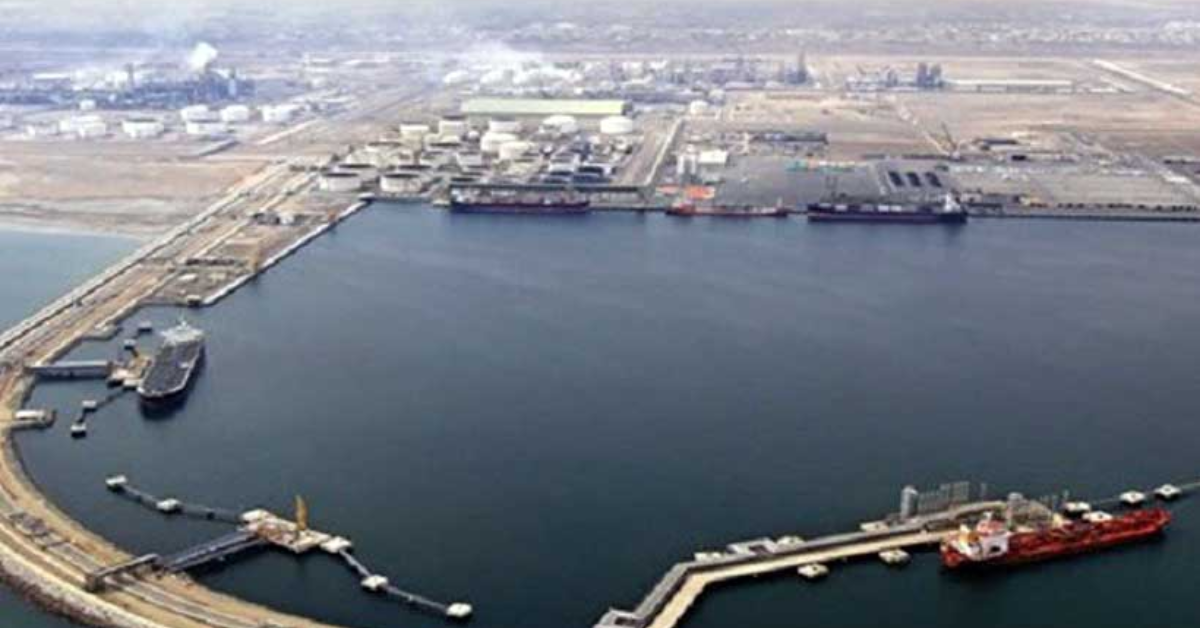
The Government of India has confirmed in Parliament that it completed its full financial commitment of ₹400 crore toward the development of Chabahar Port in Iran during FY 2025-26, with the final tranche disbursed in August 2025. As a result, no additional funds have been earmarked for the project in the Union Budget 2026-27. The disclosure, made in the Rajya Sabha, puts India’s total Chabahar investment on the record — and makes the port’s strategic significance, given the current Iran crisis, the subject of renewed scrutiny. Chabahar is India’s only direct maritime access route to Afghanistan and Central Asia that bypasses Pakistan, and its development has been a centrepiece of India’s connectivity diplomacy for a decade.
Basmati Crisis: 60 Lakh Tonnes Stranded, MP Sounds the Alarm
The basmati rice export crisis escalated this week as Rajya Sabha MP Vikramjit Singh raised the alarm in Parliament, flagging that nearly 60 lakh tonnes of premium basmati are stranded at ports and in transit due to the West Asia conflict — a figure substantially higher than the 400,000 tonnes cited in earlier industry estimates and suggesting that the cumulative shipping disruption has created a much larger cargo backlog than previously acknowledged. Singh highlighted mounting exporter stress from blocked consignments, delayed payments, surge-priced freight, elevated insurance premiums, and container shortages — calling for urgent government intervention to protect Punjab’s most significant agri-export sector.
The basmati crisis has a particular regional dimension: West Asia — led by Iran, Saudi Arabia, Iraq, and the UAE — is by far the largest export market for Indian basmati, and the simultaneous disruption of sea freight routes, air cargo capacity, and payment banking channels has created a perfect storm for exporters who have already loaded and shipped cargo that cannot reach its destinations. The exploration of a rice-for-crude barter mechanism with Iran, reported earlier this week, reflects the extremity of the situation for exporters who cannot wait indefinitely for the Hormuz to reopen.
Auto Exports: West Asia Headwinds Cloud FY27 Outlook
India’s automobile export sector — which recorded a record 34 per cent growth in FY26, led by Maruti Suzuki’s 4.47 lakh unit milestone — faces a more challenging FY27 outlook as ongoing West Asia tensions weigh on key export markets and logistics corridors. An industry report flagged this week warns that prolonged instability could affect shipping routes, increase freight and insurance costs, delay deliveries, and reduce competitiveness for Indian vehicles in price-sensitive Gulf and African markets. With West Asia accounting for a meaningful share of two-wheeler, compact car, and commercial vehicle exports, a sustained crisis would dampen what had been one of India’s brightest manufacturing export stories.
India Exports 67,719 Tonnes of Sugar to Maldives Under FY27 Pact
India’s food security diplomacy in the Indian Ocean is advancing in parallel with its energy diplomacy. The government has approved the export of 67,719 tonnes of sugar to the Maldives for FY 2026-27 under a bilateral trade agreement, ensuring that the island nation — which is heavily import-dependent for essential commodities — has a reliable supply of sugar at stable prices during a period when global commodity logistics are severely disrupted. This approval, combined with India’s ongoing fuel supply to Bangladesh, Nepal, Bhutan, Sri Lanka, and the active assessment of the Maldives’ petroleum product request, reinforces India’s emerging role as the primary supply assurance provider for its Indian Ocean neighbourhood during the current crisis.
 Join our WhatsApp channel for more updates:
 Subscribe to our YouTube channel for more updates: