


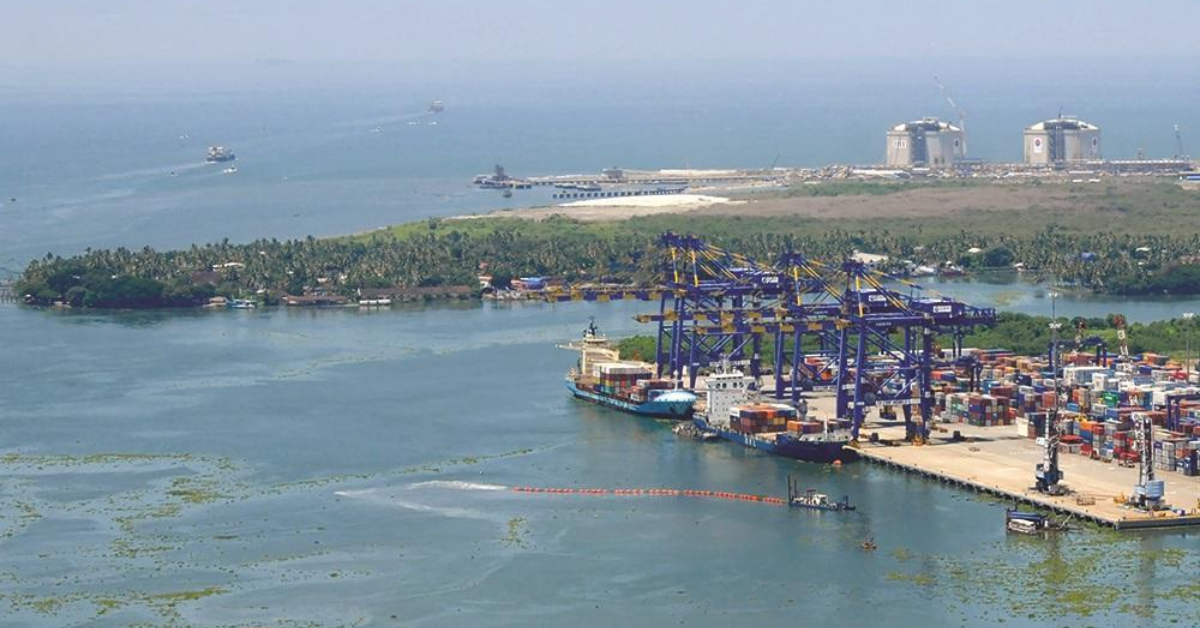

In a significant policy response to the Hormuz crisis, India has streamlined its transshipment regulations to facilitate smoother handling of cargo volumes that have been diverted away from Persian Gulf and Red Sea ports and are now seeking alternative routing through Indian terminals. The regulatory easing is a direct attempt to position Indian ports as credible alternative transshipment hubs for the cargo that can no longer move via the region’s traditional gateway ports.
Authorities have simplified procedural requirements for transshipped containers at Indian ports, reducing dwell times and improving turnaround efficiency for cargo that is being handled on an intermediate basis before onward movement to final destinations. The changes benefit ports on both India’s west coast — which are closest to the Gulf and have the most direct routing advantage for Middle East cargo — and the east coast, which has strong feeder connectivity to Southeast Asian transhipment hubs.
19 Energy Vessels Still Stranded at Hormuz
The policy response comes as the Shipping Secretary confirmed that 19 India-bound energy vessels — carrying crude oil, LNG, and LPG — remain stranded at or near the Strait of Hormuz, unable to transit due to heightened security risks and operational uncertainty. The persistence of this stranding situation, even after India’s successful extraction of several vessels through Operation Urja Suraksha and diplomatic coordination with Iran, underlines the ongoing difficulty of guaranteeing safe passage through the conflict-affected waterway.
The 19 stranded vessels represent a substantial volume of energy cargo that India urgently needs — particularly LPG, whose March import volumes are forecast to be nearly 46 per cent below February daily averages. Every additional day these vessels remain unable to transit translates into further pressure on domestic energy supply chains, LPG distributor inventories, and the government’s ability to maintain stable cooking gas supply to India’s hundreds of millions of household consumers.
Transshipment Easing: Who Benefits?
The transshipment rule relaxation is expected to benefit multiple stakeholder groups. Shipping lines that have been rerouting cargo away from Gulf ports and through Indian transhipment points will face lower regulatory friction and shorter processing times, making Indian ports more commercially attractive compared to alternatives in Colombo, Singapore, or Port Klang. Indian port operators — including PSA-managed terminals, DP World facilities, and APSEZ — gain the opportunity to capture incremental volumes that translate into higher throughput, revenue, and port fee income.
For cargo owners — Indian exporters whose goods are stranded mid-transit or are being rerouted — the simplified regulations mean faster onward movement once cargo arrives at an Indian port, reducing the risk of extended storage, demurrage accumulation, and delivery deadline breaches. The MoPSW has simultaneously approved a ₹438.29 crore PPP project to modernise New Mangalore Port’s Berth No. 9 under DBFOT basis, converting it into a modern liquid bulk handling facility with a capacity of 10.90 MTPA — a long-term infrastructure investment that will strengthen the port’s ability to handle the energy import volumes that the crisis has put in sharp focus.
 Join our WhatsApp channel for more updates:
 Subscribe to our YouTube channel for more updates: