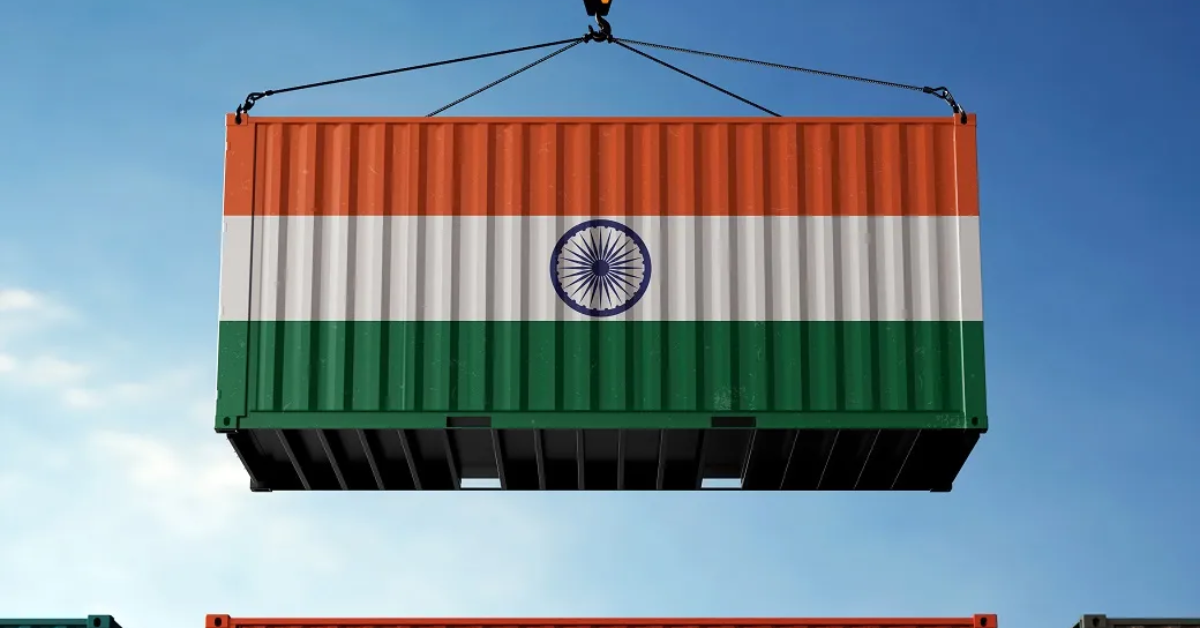

The first day of the new financial year delivered a meaningful package of trade facilitation reforms for India’s export community, with the government extending the Remission of Duties and Taxes on Exported Products (RoDTEP) scheme for six months to September 30, 2026, and simultaneously abolishing the longstanding ₹10 lakh per consignment value cap on exports through international courier services — two measures that will provide immediate relief to exporters navigating the twin pressures of the West Asia crisis and a volatile global trade environment.
The RoDTEP extension, notified by the Directorate General of Foreign Trade, ensures that all eligible export products will continue to receive benefits at the existing rates under Appendices 4R and 4RE from April 1 through September 30, 2026. The government has clarified that all other terms and conditions remain unchanged, and that exporters making shipments during this period will be entitled to benefits at the same rates applicable as of March 31, 2026. The extension provides the stability and predictability that exporters need for forward planning, particularly at a time when supply chain disruptions and elevated logistics costs have already eroded margins.
Courier Cap Removal: A Game Changer for E-Commerce Exports
The simultaneous removal of the ₹10 lakh per consignment ceiling on courier-mode exports — implemented by the Central Board of Indirect Taxes and Customs effective April 1 — is potentially the more structurally significant of the two measures for India’s long-term export trajectory. The previous cap had created an artificial ceiling on the value of goods that small exporters, e-commerce sellers, artisans, and startups could ship internationally via courier services, pushing high-value consignments into more complex and expensive air or sea freight channels that many small businesses found prohibitively cumbersome.
With the cap removed, Indian e-commerce exporters can now ship consignments of any value through internationally integrated courier platforms like DHL, FedEx, and UPS — unlocking a much larger share of the global cross-border e-commerce market for Indian sellers. This reform directly addresses one of the primary barriers to India achieving its ambitious e-commerce export targets and aligns with the broader set of e-commerce export reforms announced this week, which include the removal of previous value caps on shipments, simplified customs procedures, and streamlined compliance requirements for SMEs.
RBI Export Credit Extended to June 2026
Complementing the DGFT and CBIC measures, the Reserve Bank of India has extended export credit relief for Indian exporters until June 2026 in response to ongoing West Asia disruptions. Exporters can access credit at preferential rates with relaxed repayment timelines and streamlined documentation, providing the liquidity support needed to bridge cash flow gaps created by delayed receivables from Gulf-based buyers and the elevated cost of alternative shipping routes. The DGFT has also extended gem and jewellery sector export deadlines by 30 days for consignments originally due between March 1 and May 31, while urea imports through Indian Potash Limited have been extended until March 2027, ensuring continuity of fertiliser supply for India’s agricultural sector.
 Join our WhatsApp channel for more updates:
 Subscribe to our YouTube channel for more updates: