
India’s energy procurement machinery is operating at an accelerated pace as the country works to secure alternative sources of crude oil and liquefied petroleum gas in the face of a sustained supply disruption from its primary Gulf suppliers. Officials and industry sources confirm that Indian refiners and LPG importers are fast-tracking negotiations for additional spot cargoes and long-term supply contracts, seeking to reduce structural dependence on routes and suppliers that have been rendered unreliable by the Strait of Hormuz closure.
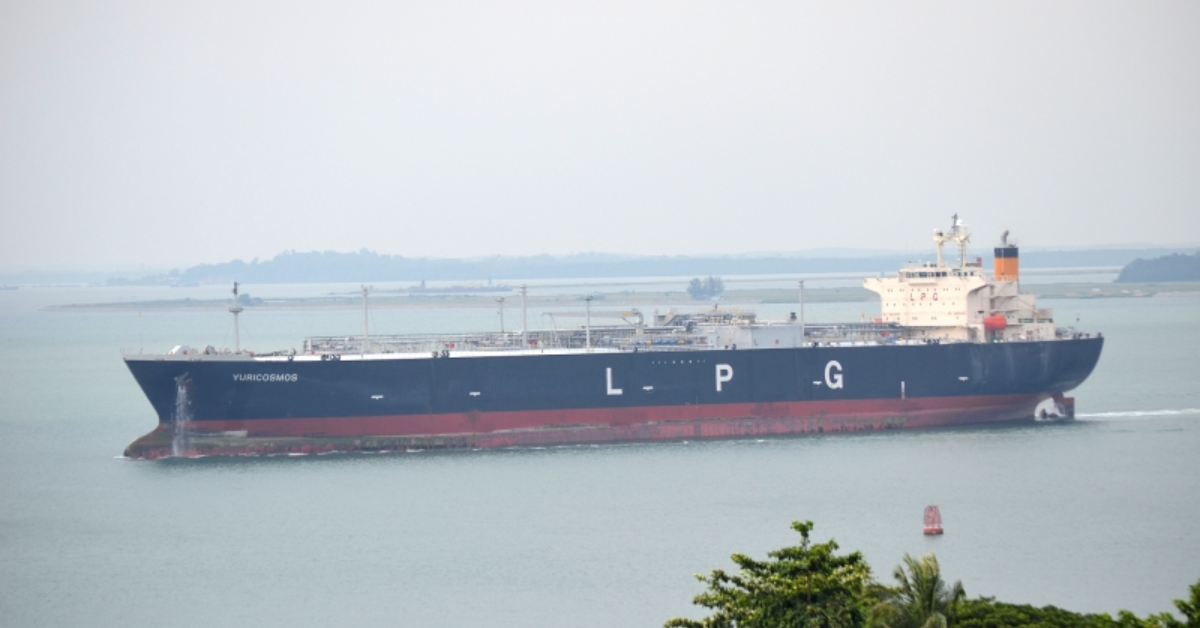
The urgency of the procurement effort was underlined by the arrival of the LPG carrier Apollo Ocean at New Mangalore Port, bringing much-needed supplies to one of India’s key energy import terminals on the western coast. The vessel’s arrival is part of India’s ongoing effort to maintain domestic LPG inventory levels at a time when March imports are forecast to fall nearly 46 per cent below February daily averages — a shortfall that, if not bridged through alternative sourcing, risks creating domestic cooking gas supply stress in the weeks ahead.
Term Contract Negotiations Accelerate
Indian refiners and state energy companies are in active discussions with alternative LPG suppliers across the Americas, Europe, and Central Asia, as well as with non-Gulf crude exporters including those in West Africa, North America, and Central Asia. The focus is on securing both spot cargoes to cover the immediate supply gap and term contracts that provide longer-term supply certainty in the event that the Hormuz disruption extends beyond the current crisis.
The diversification push has already yielded tangible results: Argentina has doubled LPG shipment volumes to India, the United States has stepped up cargo delivery, and Russia continues to supply crude at competitive prices with 60 million barrels secured for April delivery. India has also, for the first time in years, secured a cargo of Iranian LPG — a measure of the government’s determination to use every available supply lever to prevent a domestic energy shortage.
Insurance and Freight Costs Remain Elevated
Despite the diversification progress, energy importers continue to face significantly elevated logistics costs. War-risk insurance premiums for vessels operating in or around the Persian Gulf remain at crisis-level rates, and freight charges on long-haul routes from the Americas and West Africa to Indian ports are substantially higher than the short-haul Gulf routes they are replacing. These cost increases are feeding directly into the landed cost of imported energy for Indian refiners and LPG distributors, creating margin pressure that will eventually flow through to downstream consumers if the situation persists.
India’s Strategic Reserve Buffer Monitored Closely
With India’s national crude reserves estimated at approximately 74 days of consumption cover — below the IEA’s recommended 90-day buffer — the pace of alternative supply procurement is being monitored closely by energy security planners. Every cargo successfully delivered to Indian terminals, whether LPG at New Mangalore or crude at Paradip, Vishakhapatnam, or Vadinar, is a step toward preventing the reserves from declining to levels that would require emergency measures. The rapid pace of New Mangalore’s cargo arrivals this week — including the Apollo Ocean alongside earlier visits by the Pyxis Pioneer and Aqua Titan — reflects both the port’s strategic importance and the intensity of India’s energy supply response.
 Join our WhatsApp channel for more updates:
 Subscribe to our YouTube channel for more updates: