



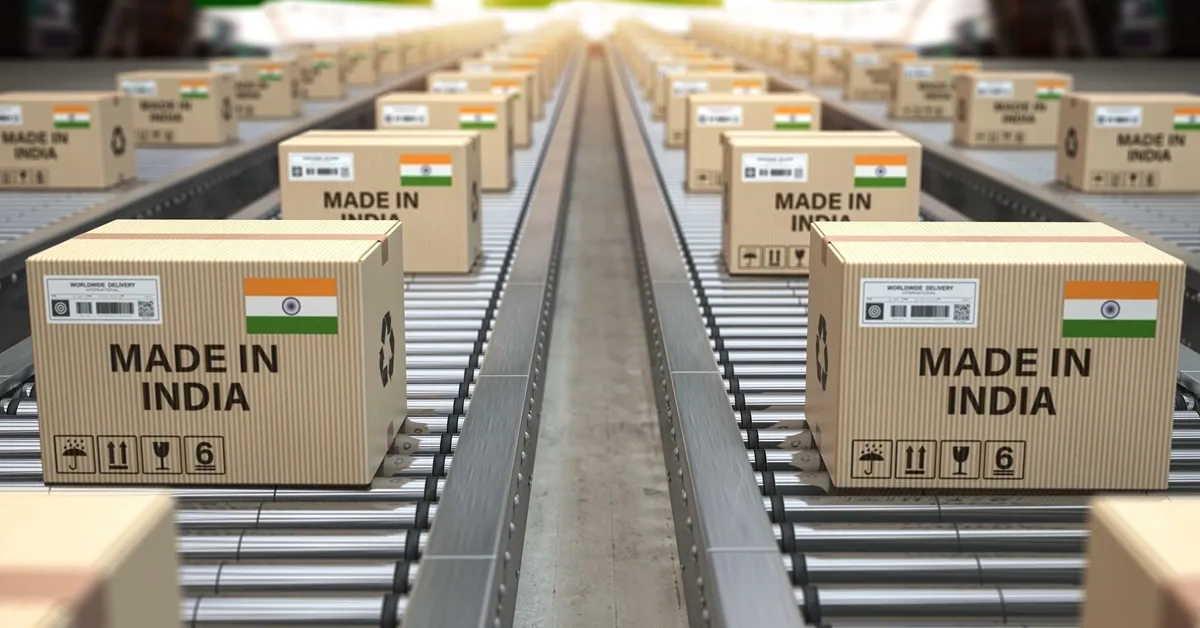

India’s merchandise exports grew 14 per cent year-on-year in April 2026 — a sharp and encouraging recovery from March’s 7.44 per cent decline — as engineering goods, petroleum products, pharmaceuticals, and textiles all contributed to a strong opening month for FY27’s trade performance. The 14 per cent growth demonstrates that Indian exporters have adapted to the Hormuz crisis faster than March’s data suggested: rerouting cargo through non-Gulf corridors, accelerating FTA-benefiting market penetration in the UK, UAE, New Zealand, and ASEAN, and diversifying from Gulf-dependent categories toward more routing-resilient segments.
The April trade deficit, however, widened to USD 28.38 billion — significantly above March’s USD 20.67 billion narrow (which was itself depressed by the collapse in import volumes as Hormuz-routed crude fell sharply in that month). The widening reflects a normalisation of import volumes in April as crude oil procurement at higher prices from non-Gulf suppliers resumed, electronics and machinery purchases recovered, and industrial raw material imports picked up pace with the construction and manufacturing activity that continued despite cost pressures.
The April Export Recovery: Sector by Sector
Engineering goods — India’s largest merchandise export category at USD 122.43 billion in FY26 — are expected to have shown strong April recovery as US, European, and Asian buyers continued sourcing Indian machinery, auto components, iron and steel products, and industrial equipment. The 14 per cent aggregate growth suggests that these core manufactured goods categories absorbed the Gulf market disruption by redirecting cargo toward non-Middle Eastern destinations — benefiting from the India-UK FTA’s tariff elimination and from the US market’s continued demand for Indian industrial inputs despite the tariff environment. Pharmaceuticals, which export to 200-plus countries with diversified routing, are also expected to have contributed strongly to April’s performance.
Gems and jewellery — the sector that recorded a 35 per cent collapse in March as Dubai and Gulf transit hubs became inaccessible — showed a more modest 9 per cent recovery in April, as the Middle East market disruption continues and air cargo routing constraints for high-value polished diamonds remain challenging. The sector’s recovery pace will be a useful leading indicator of the Hormuz crisis’s resolution: when gems and jewellery exports recover fully, it will mean that the Gulf hub transit routes and the Dubai trading infrastructure have normalised — a development that is likely to accompany or follow the US-Iran MOU’s implementation rather than precede it.
India’s $1 Trillion Export Target: Is FY27 the Year?
India has set an explicit USD 1 trillion target for combined merchandise and services exports — with merchandise aloneat approximately USD 580-600 billion and services at USD 400-420 billion. At 14 per cent April growth in merchandise, the trajectory is encouraging: if sustained through FY27, merchandise exports would reach approximately USD 503 billion — short of the headline target but a significant step up from FY26’s USD 441.78 billion. The missing piece is Gulf market recovery: pre-crisis, West Asia accounted for approximately 15 per cent of India’s merchandise exports, and a full restoration of that market would add USD 60-70 billion to India’s annual merchandise export run rate — potentially making the USD 1 trillion combined target achievable in FY27 if the US-Iran deal concludes and normalisation begins in Q2 FY27.
 Join our WhatsApp channel for more updates:
 Subscribe to our YouTube channel for more updates: