
Indian Oil Corp secures cargo from Tehran amid West Asia conflict and Strait of Hormuz disruptions, backed by US sanctions waivers
In a landmark shift for India’s energy landscape, a tanker carrying Iranian crude oil is heading toward India’s east coast — a move that could mark the country’s first import of Iranian petroleum in nearly seven years, ending a hiatus that began in 2019 when New Delhi halted purchases under US pressure.
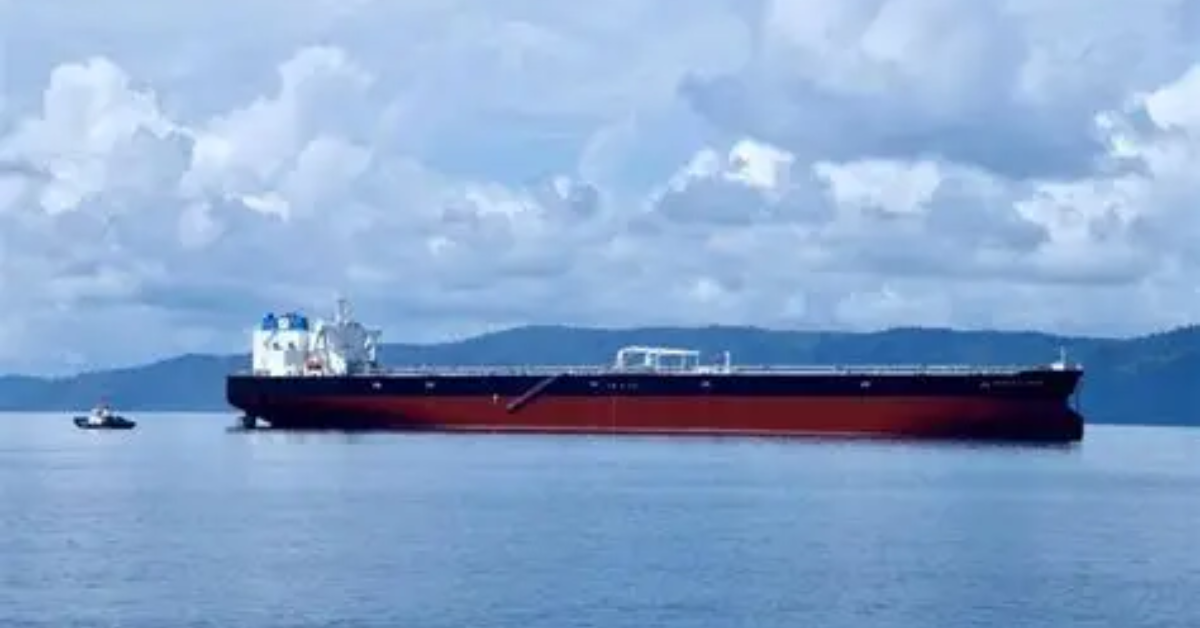
State-run Indian Oil Corp purchased the cargo, currently onboard the Curacao-flagged very large crude carrier (VLCC) Jaya, which is heading to India’s east coast and is set to arrive later this week, according to ship-tracking data from LSEG. LSEG data also shows another carrier, the Jordan, signalling India as its discharge location, suggesting this could be more than a one-off procurement.
A Seven-Year Gap Driven by Sanctions
India, the world’s third-biggest oil importer and consumer, has not received a cargo from Tehran since May 2019, following US pressure not to buy Iranian crude. Supply disruptions from the US-Israel war have now hit the South Asian nation hard.
The resumption of Iranian crude imports is being enabled by a temporary relaxation of US trade restrictions. Last month, the US issued waivers for the purchase of Russian and Iranian crude on tankers in a bid to curb the surge in international crude oil prices. India, caught in the crossfire of a geopolitical crisis that has severely constrained Middle Eastern supply, has moved swiftly to capitalise on this window.
The Jaya’s Unusual Route
The cargo’s journey has not been straightforward. The vessel initially went to Southeast Asian waters for potential discharge in China before redirecting toward India. This routing drew attention and sparked speculation, but India’s government was quick to push back on any suggestion of payment difficulties. The government dismissed reports claiming the cargo was diverted to China due to payment issues as factually incorrect, noting that bills of lading often list multiple ports of discharge and that destinations can change during a voyage to optimise operations and profitability.
India’s oil ministry was equally firm on the financial side: “Amid Middle East supply disruptions, Indian refiners have secured their crude oil requirements, including from Iran; and there is no payment hurdle for Iranian crude imports,” the ministry stated on X.
Energy Security at Stake
The urgency behind India’s pivot back to Iranian crude is rooted in hard numbers. The average price of the Indian crude basket surged from $69 per barrel in February 2026 to $113 per barrel in March, driven by a steep rise in procurement costs following the disruption of Middle Eastern supply routes.
India’s exposure to Gulf energy is significant. India stopped importing Iranian crude in 2019 to comply with US sanctions, and its imports from other Middle Eastern producers account for about half of all its crude purchases. Supply from the region has been severely constrained over the past weeks due to the effective closure of the Strait of Hormuz.
Beyond crude oil, India has also secured Iranian LPG. India purchased 44,000 metric tonnes of Iranian liquefied petroleum gas loaded on a sanctioned vessel, which berthed at the western port of Mangalore on April 1 and began discharging the fuel.
A Strategic Signal, Not Just a Trade Deal
Analysts see the resumption of Iranian energy trade as more than just a supply fix. “It’s a confidence-building mechanism with Tehran,” said Arpit Chaturvedi, South Asia advisor at Teneo, adding that the energy purchases act as an “insurance policy” signalling that India does not intend to take sides in the conflict.
India imports crude oil from over 40 countries, with companies having full flexibility to source oil from different geographies based on commercial considerations, and this latest move underscores New Delhi’s intent to keep all supply options open — regardless of geopolitical headwinds.
With the US-Iran ceasefire now in place and the Strait of Hormuz gradually reopening, the trajectory of Indian-Iranian energy trade in the coming weeks will be closely watched by global oil markets.
 Join our WhatsApp channel for more updates:
 Subscribe to our YouTube channel for more updates: