



The India–UK Comprehensive Economic and Trade Agreement (CETA) places no limitations on India’s ability to issue compulsory licences, Parliament has been informed. The government clarified that the agreement fully preserves India’s policy space to use compulsory licensing, including during public health emergencies, ensuring continued access to critical and life-saving technologies.
In a written response to the Rajya Sabha, Minister of State for Commerce and Industry Jitin Prasada said the pact does not introduce any new procedural hurdles such as prior negotiation requirements, additional thresholds, or delays that could impede the issuance of compulsory licenses. “The agreement does not restrict India’s use of compulsory licensing in any form,” he stated, adding that strong safeguards have been incorporated to protect India’s regulatory autonomy.
Beyond intellectual property safeguards, the agreement also opens up significant commercial opportunities for Indian businesses. Prasada noted that India will receive assured, non-discriminatory access to the United Kingdom’s public procurement market, estimated to be worth more than £90 billion (around USD 122 billion) annually. Major public entities, including the National Health Service (NHS), fall within the scope of this access, presenting substantial opportunities for Indian companies, particularly in sectors such as information technology, pharmaceuticals, and services.
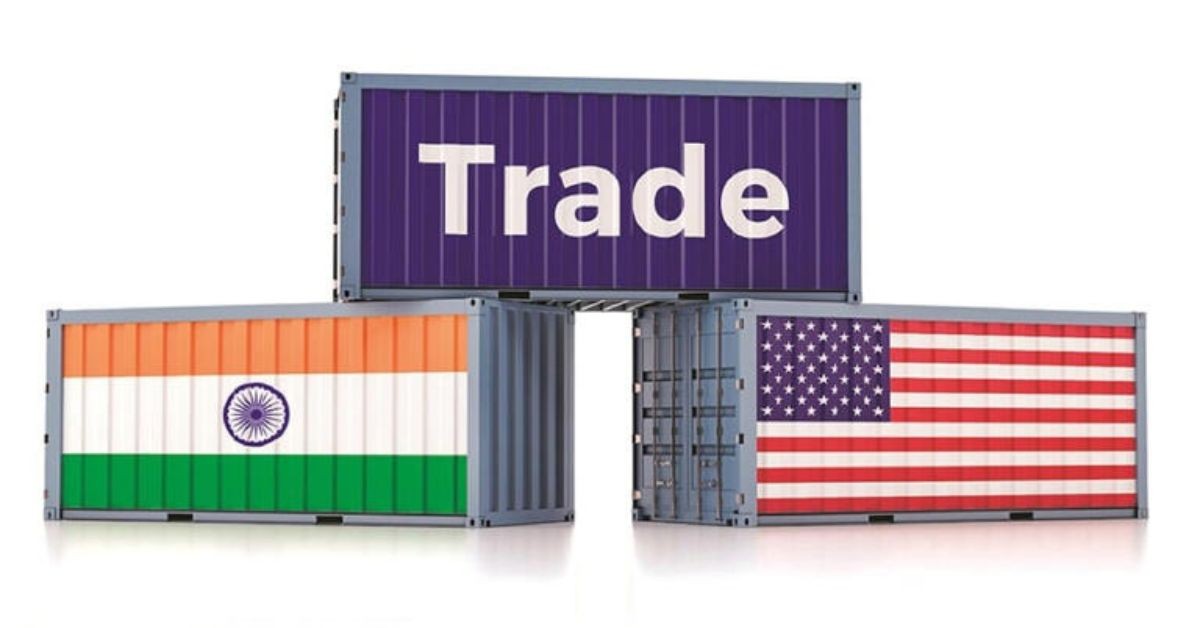
In a separate update, the minister informed Parliament that negotiations are continuing on free trade agreements with the European Union and on a bilateral trade agreement with the United States. India has so far concluded 15 free trade agreements and six preferential trade agreements with various partners. These trade pacts are aimed at lowering tariff and non-tariff barriers, streamlining trade procedures, and addressing structural challenges to enhance the competitiveness of Indian exports, including textiles, in global markets.
 Join our WhatsApp channel for more updates:
 Subscribe to our YouTube channel for more updates: