



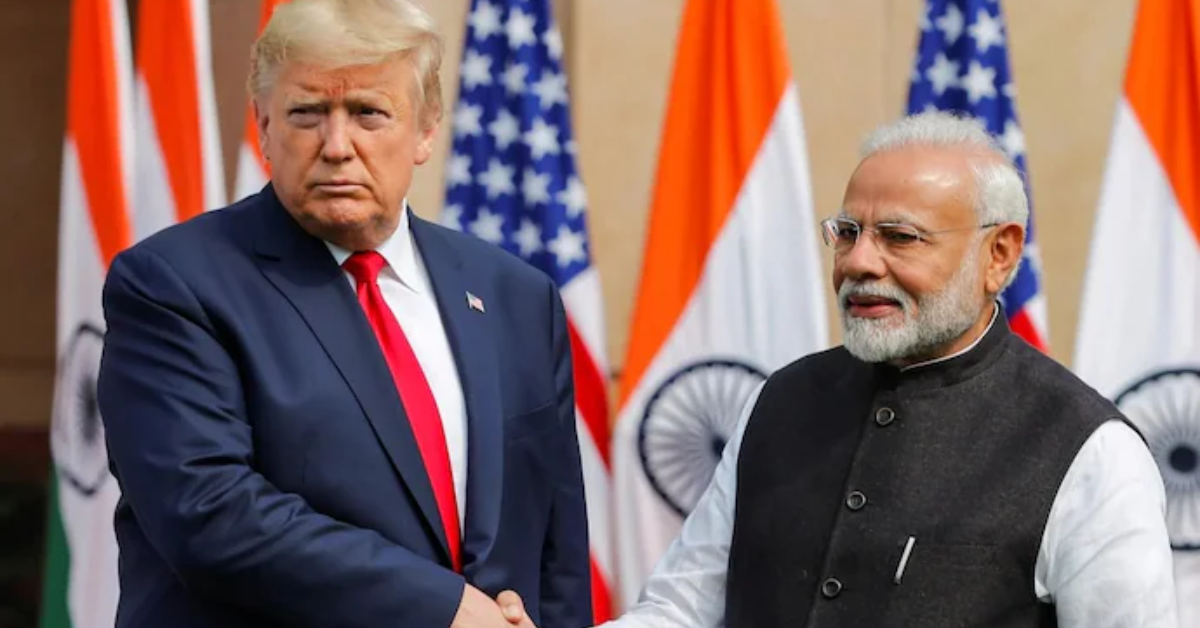

India and the United States are on the verge of finalizing the first tranche of a landmark bilateral trade agreement, with Commerce Minister Piyush Goyal announcing a joint statement expected within 4-5 days. The formal legal pact is slated for signing around mid-March 2026, following nearly a year of negotiations accelerated by a February 2 phone call between Prime Minister Narendra Modi and President Donald Trump. This deal aims to slash US tariffs on Indian goods from punitive levels to 18%, boosting exports while committing India to $500 billion in US purchases over five years.
Tariff Relief and Strategic Commitments
The agreement addresses US executive tariffs of 25% on Indian goods, plus an additional 25% for India’s Russian crude purchases, replacing them with a reduced 18% rate post-legal formalities. India’s commitments include $70-80 billion in Boeing aircraft and engines, alongside energy, data-center equipment, ICT products, and aviation components, aligning with its growth needs. No investment pledges are included in this initial tranche, focusing instead on tariff structures and market access.
Goyal emphasized safeguarding sensitive sectors during Lok Sabha discussions, granting Indian exporters a competitive edge over regional rivals. The pact supports “Make in India” by opening opportunities for 1.2 billion Indians and diversifying away from Russian oil toward US and potentially Venezuelan supplies.
Maritime and Logistics Boost
For India’s shipping and logistics sectors, the deal promises expanded maritime trade volumes, with US-bound cargo via ports like Mundra, Chennai, and Visakhapatnam seeing uplift in electronics, chemicals, and textiles. Freight forwarders anticipate higher container traffic on India-US routes, stabilizing rates amid global disruptions. Bilateral trade targets $500 billion, enhancing energy security and supply chains critical to coastal shipping and inland waterways.
Commerce Secretary Rajesh Agrawal noted MFN tariff reductions will follow the legal signing, with US executive actions enabling quicker implementation. This positions India strategically in President Trump’s trade reset, fostering deeper economic ties.
 Join our WhatsApp channel for more updates:
 Subscribe to our YouTube channel for more updates: