




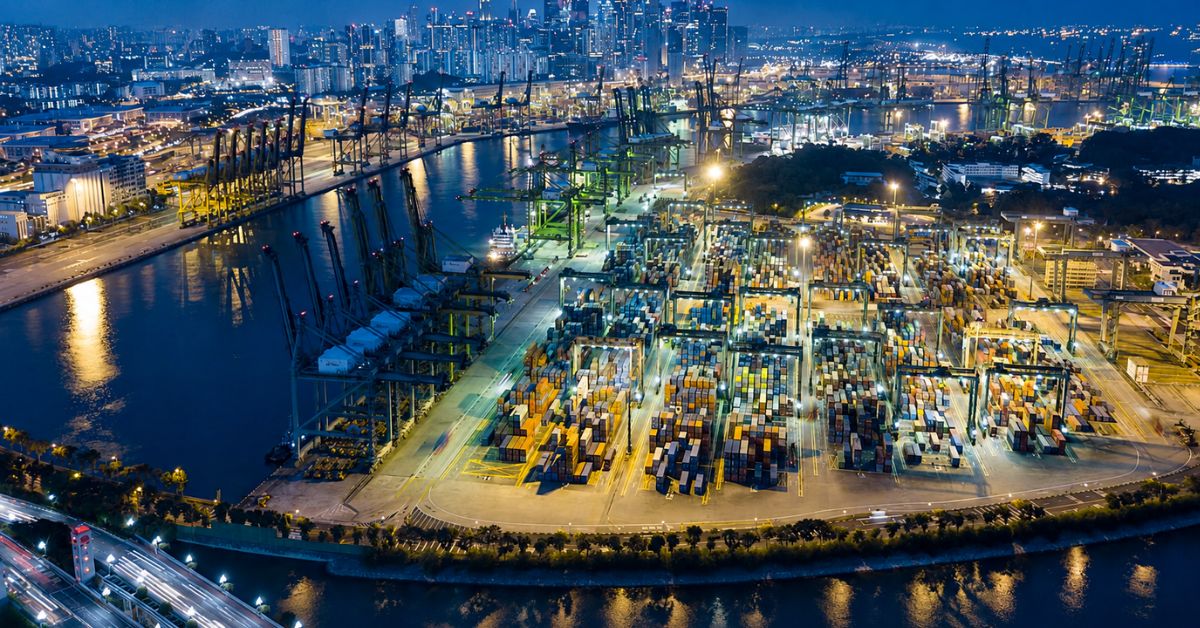

Indian exporters are grappling with a fresh wave of shipping delays as congestion at the transhipment hubs of Singapore and Colombo spills over into Indian trade, with a surge in China-US container traffic further tightening global container availability.
What is driving the congestion at Singapore and Colombo?
Industry sources say a lack of adequate feeder vessels connecting India to major transhipment ports is at the heart of the disruption. A Chennai-based packaging producer said heavy congestion at Colombo and Singapore is holding up containers for extended periods, with feeder vessels unavailable from Port Klang in Malaysia to Chennai, forcing cargo to route through Singapore instead. He said containers are now waiting 15 to 20 days in Singapore, compared to the usual three to four days it takes for cargo to reach Chennai from Port Klang.
How has the China-US trade surge affected container availability?
China’s exports to the US grew around 17 percent in July compared to a year earlier, while imports rose 15 percent, pulling more container capacity toward the trans-Pacific trade and reducing availability elsewhere. Freight rates have surged accordingly, with the cost of shipping a 40-foot container from Shanghai to Los Angeles jumping 133 percent year-on-year to $5,894 last week, according to maritime research consultancy Drewry. Rates from Shanghai to New York rose 106 percent to $7,893 over the same period.
Are shipping lines confirming container shortages?
Sunil Vaswani, Executive Director at the Container Shipping Lines Association, denied that container shortages are the cause, attributing delays instead to congestion at transhipment ports like Singapore and Colombo. However, exporters describe a different experience on the ground. One trader said global shipping lines are declining bookings citing container shortages, with confirmed booking schedules available only a month in advance, while spot bookings are being accepted without any guarantee that containers will actually be loaded onto a specific vessel. Domestic traders also said a container imbalance fee is now being levied, with liners “charging whatever they like.”
Is the disruption limited to specific Indian ports?
Exporters report similar bottlenecks emerging at Cochin and Tuticorin, alongside Chennai. A Kerala-based exporter of food products said freight rates are changing on a daily basis and transit times have increased across these ports, reflecting a broader pattern of instability rather than an issue confined to a single gateway.
How is the ongoing Iran conflict compounding the problem?
Jebel Ali, the largest man-made harbour and busiest container port in West Asia, has remained offline since the Iran war escalated, adding further strain to regional shipping networks. A shipping industry representative said that while constraints were initially limited to West Asian cargo, the continuing conflict is now driving a wider redrawing of global supply chains, with knock-on effects reaching Indian exporters far beyond the immediate conflict zone.
What does this mean for Indian trade going forward?
The combination of transhipment port congestion, a China-US trade surge absorbing global container capacity, and ongoing disruption around West Asia is creating sustained uncertainty for Indian exporters, with rising freight costs, unpredictable booking confirmations and longer transit times likely to persist as long as these overlapping pressures continue.
 Join our WhatsApp channel for more updates:
 Subscribe to our YouTube channel for more updates: