


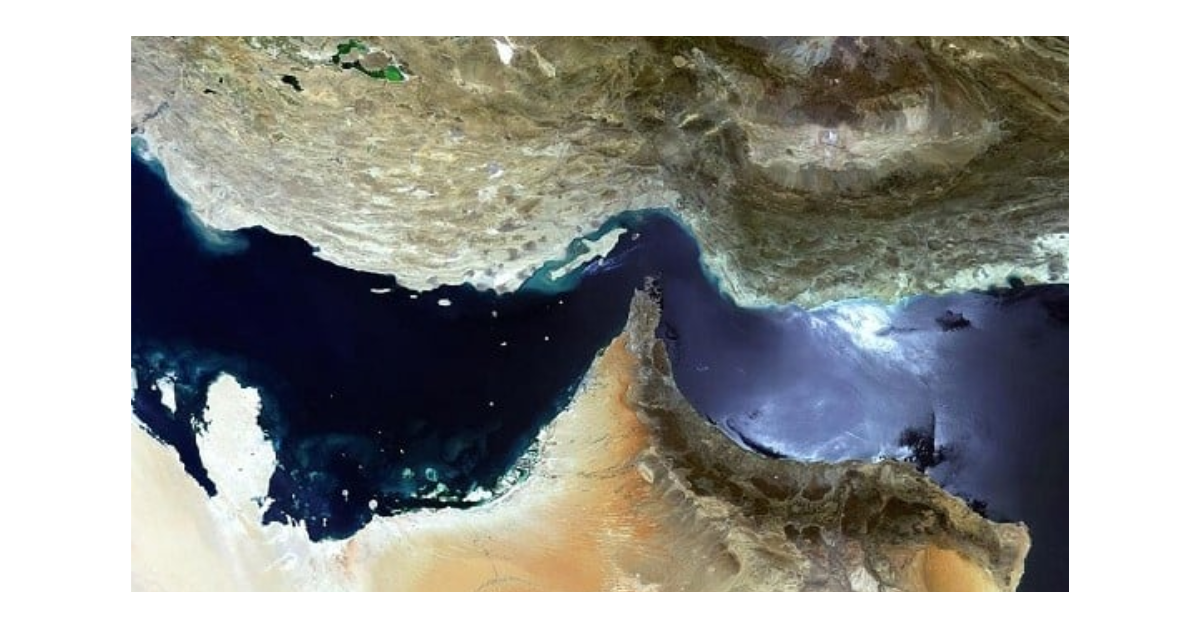

An Indian liquefied petroleum gas (LPG) carrier has successfully crossed the Strait of Hormuz, marking a significant breakthrough for India’s energy logistics amid heightened regional tensions and an Iranian blockade threat. Marine traffic tracking data showed the Indian-flagged LPG vessel transiting the narrow chokepoint without incident, offering the first concrete sign that controlled energy flows to India can resume through the strategic waterway.
The passage comes against the backdrop of a severe security crisis in West Asia, where conflict involving Iran, the United States and Israel has disrupted commercial shipping and left several tankers, including India-linked LNG, LPG and crude carriers, stranded west of the strait. In recent days, Tehran had warned of enforcing restrictions in the Hormuz channel, a route that remains vital for global oil and gas trade despite India having diversified a large portion of its crude flows to routes outside the strait.
Diplomatic engagement appears to have played a key role in enabling the latest transit. Iran’s ambassador to India, Mohammad Fathali, publicly indicated that Tehran would provide safe passage to India-bound vessels, stressing the “friendship” and shared interests between the two countries. This assurance was followed by reports that Iran has allowed at least two India-flagged LPG carriers to sail through the Strait of Hormuz, a move expected to ease emerging concerns over LPG availability in the Indian market.
New Delhi has been closely monitoring the situation, as LPG is a critical cooking fuel for Indian households and disruptions can quickly translate into supply and price pressures. One of the LPG tankers is carrying around 40,000 tonnes of cargo and is expected to reach India within two to three days, while a second vessel with a similar parcel is slated to follow soon via the same route. Government officials have underlined that, despite the crisis, more than 70 per cent of India’s crude imports are currently moving via alternative sea lanes outside the Strait of Hormuz, helping maintain overall energy security.
The safe passage of the Indian LPG carrier also dovetails with stepped-up maritime security measures in the wider region. The Indian Navy has deployed assets such as INS Shivalik to escort key energy shipments through high-risk areas, providing reassurance to shipowners and charterers about the protection of Indian-flagged tonnage and cargoes en route to the country. This layered approach—combining diplomatic outreach with naval presence and trade diversification—is aimed at keeping India’s energy corridors functional even as the regional security environment remains volatile.
For maritime and logistics stakeholders, the transit signals a cautiously positive turn in an otherwise fraught operating landscape. While the situation around Hormuz is still fluid, the fact that Indian LPG carriers are beginning to move again through the corridor suggests that calibrated exceptions and state-to-state understandings can create limited but vital shipping windows for essential cargo. The episode underscores both the vulnerability and the resilience of maritime energy routes, highlighting how flag state diplomacy, naval deployments and real-time traffic monitoring are now central to managing commodity flows through one of the world’s most sensitive chokepoints.
 Join our WhatsApp channel for more updates:
 Subscribe to our YouTube channel for more updates: