




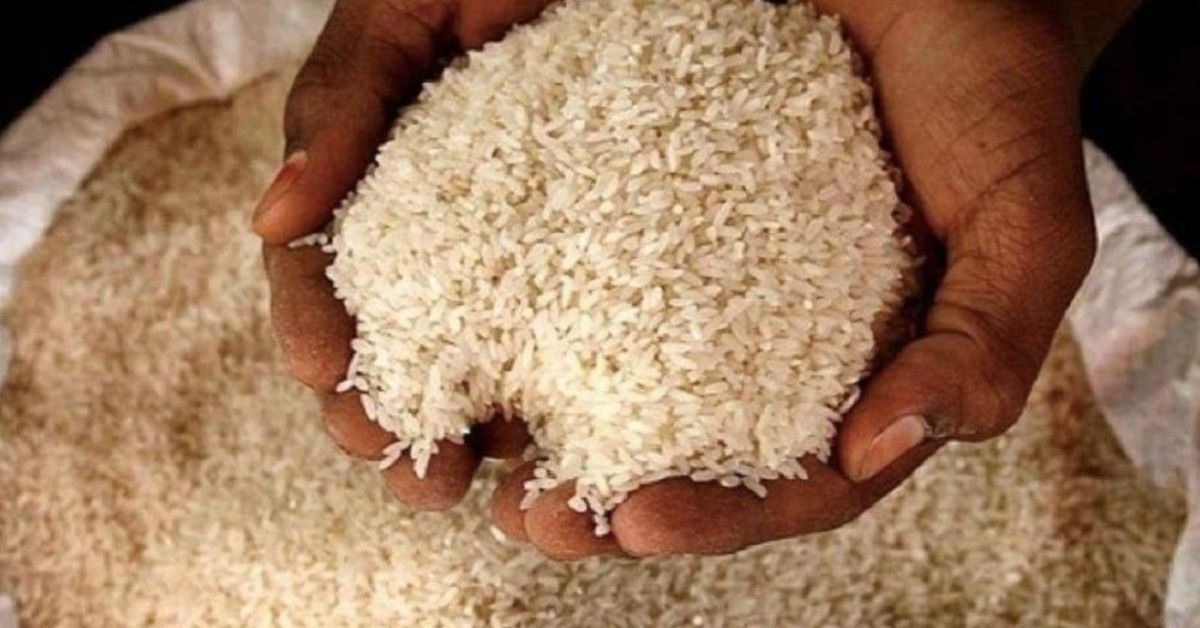

Planned new US sanctions on Iran and the UAE’s halt on trade with Tehran could severely disrupt Indian exports of rice, tea and pharmaceuticals to Iran, which have been largely routed through Dubai’s port in recent years, Indian exporters said on Monday.
India has been among Iran’s five largest trading partners, though bilateral trade has fallen by more than 90% from its 2018/19 highs of $17 billion, with exports now limited mostly to goods exempted on humanitarian grounds. Indian exporters fear US President Donald Trump’s proposed “economic D-Day” plan could further squeeze trade already weakened by sanctions, banking caution and shipping constraints.
The UAE last week suspended all trade activities, exchanges and financial transactions with Iran until further notice. Dev Garg, vice president of the Indian Rice Exporters Federation, said transactions and payment mechanisms traditionally routed through the UAE are already showing signs of exploring alternative jurisdictions, suggesting Turkey as an alternative. He said any prolonged disruption in this corridor will have a much greater bearing on the basmati industry, especially on millers and exporters in northern India, than on India’s overall non-basmati rice trade.
In the first half of 2026, India exported $383.11 million of rice to Iran, its second-largest overseas market for premium rice, including long-grained basmati. Between April and June 2026, India exported about 120,847 tonnes of basmati rice to Iran, nearly 62% less than in the year-ago period, traders said. A Haryana-based rice exporter said the closure of the Strait of Hormuz and the difficulty in transporting goods to Iran had already impacted basmati rice exports since April 2026, and a further squeeze on supplies would hurt an already badly hit market.
Satish Goel, president of the All India Rice Exporters Association, said the real crunch would come if the UAE stops processing payments for rice sold to Iran because of the sanctions, noting that most Indian exporters’ buyers are based in the UAE. Until recently, Indian exporters typically received payment through an Indian authorised-dealer bank from a UAE trader’s account, in dirhams, dollars or another permitted currency, while the trader separately collected payment from its Iranian customer through legally compliant banking channels.
Indian tea exports to Iran totalled $14.34 million in the first half of 2026. Prabhat Bezboruah, a senior tea planter and former chairman of the state-run Tea Board, said sales to Iran would be affected as a significant portion of that trade also moves through the same channels.
 Join our WhatsApp channel for more updates:
 Subscribe to our YouTube channel for more updates: