
India’s plan to rapidly scale e-commerce exports — one of the most ambitious components of the government’s trade diversification strategy — is confronting a significant short-term challenge in the form of the Hormuz crisis, which has disrupted both the air freight and sea freight corridors that e-commerce cross-border trade depends upon most heavily. At the same time, in a more constructive development, India’s inland waterway infrastructure is providing a meaningful new corridor for northeast India’s connectivity to national and global markets.
The e-commerce export scale-up plan, which aims to leverage India’s growing digital commerce ecosystem to reach international consumers directly rather than through traditional B2B channels, depends critically on fast, affordable, and reliable logistics to Gulf, European, and North American markets. The Middle East is one of the most important target markets for Indian e-commerce exports given its large Indian diaspora, high disposable incomes, and strong appetite for Indian goods ranging from fashion and handicrafts to packaged foods and electronics accessories.
Gulf Logistics Disruption Hits E-Commerce Hardest
Air freight to Gulf markets — the primary mode for e-commerce cross-border parcels given their small sizes and time-sensitivity — has seen rates surge by 250-300 per cent since the Hormuz crisis began, making India’s e-commerce exporters significantly less price-competitive against rivals in South and Southeast Asia. India’s domestic e-commerce sector is simultaneously under pressure from the fuel cost surge and logistics strain created by the West Asia conflict, with rising diesel prices pushing up last-mile delivery costs and putting margins under pressure for quick-commerce and e-commerce delivery firms.
Industry stakeholders have called on the government to include e-commerce logistics infrastructure in the relief package being assembled for Gulf-affected exporters, arguing that the structural potential of India’s e-commerce export ambitions should not be set back by a short-term crisis that is expected to eventually resolve.
Inland Waterways: A New Lifeline for the Northeast
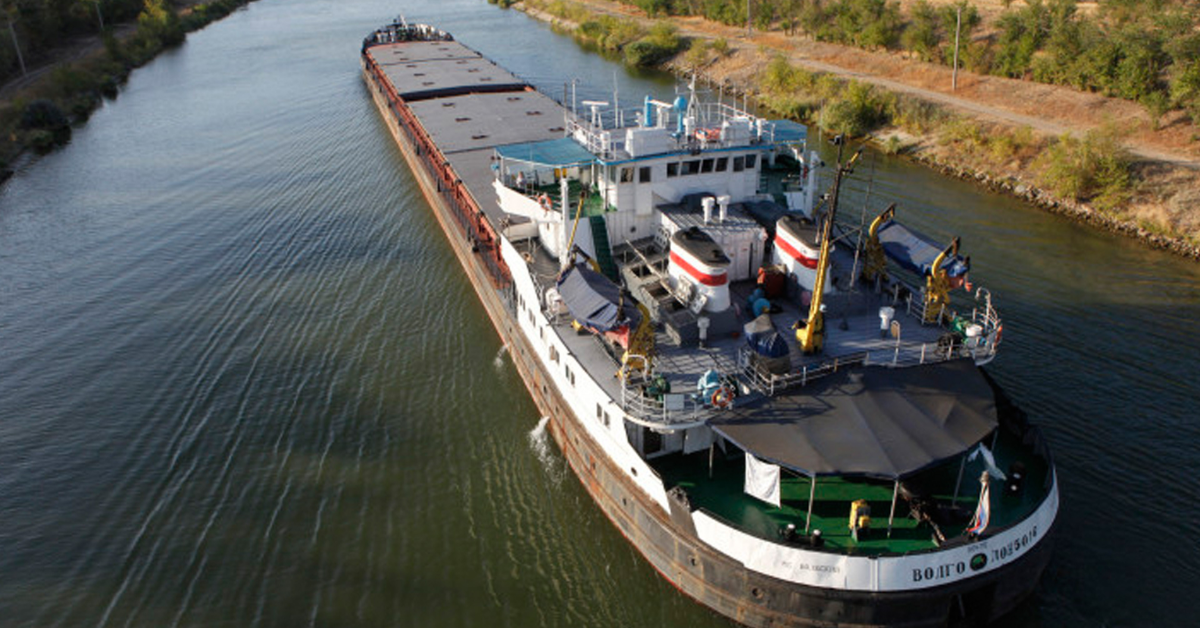
In a more positive development, India’s inland waterways network is providing a growing logistics alternative for India’s northeastern states. A major boost for the northeast’s waterway connectivity has been confirmed this week, with cargo movements via National Waterway-2 (the Brahmaputra) and the India-Bangladesh Protocol route gaining volume and commercial validation. The successful delivery of GBFS from Kolkata to Pandu Port and Tata Steel’s container shipment to Guwahati via the IBP route are translating from individual milestones into the beginnings of a commercially viable freight system.
Union Minister Sonowal has underlined that the Brahmaputra is rapidly transforming into a vibrant trade and logistics corridor, with the IBP route providing a shorter and more economical pathway than the overland Siliguri Corridor for bulk cargo. The development is particularly significant in the context of the Hormuz crisis, which has accelerated the government’s interest in multimodal alternatives that reduce dependency on any single mode or corridor — a principle that applies as much to inland connectivity as it does to international shipping route diversification.
 Join our WhatsApp channel for more updates:
 Subscribe to our YouTube channel for more updates: