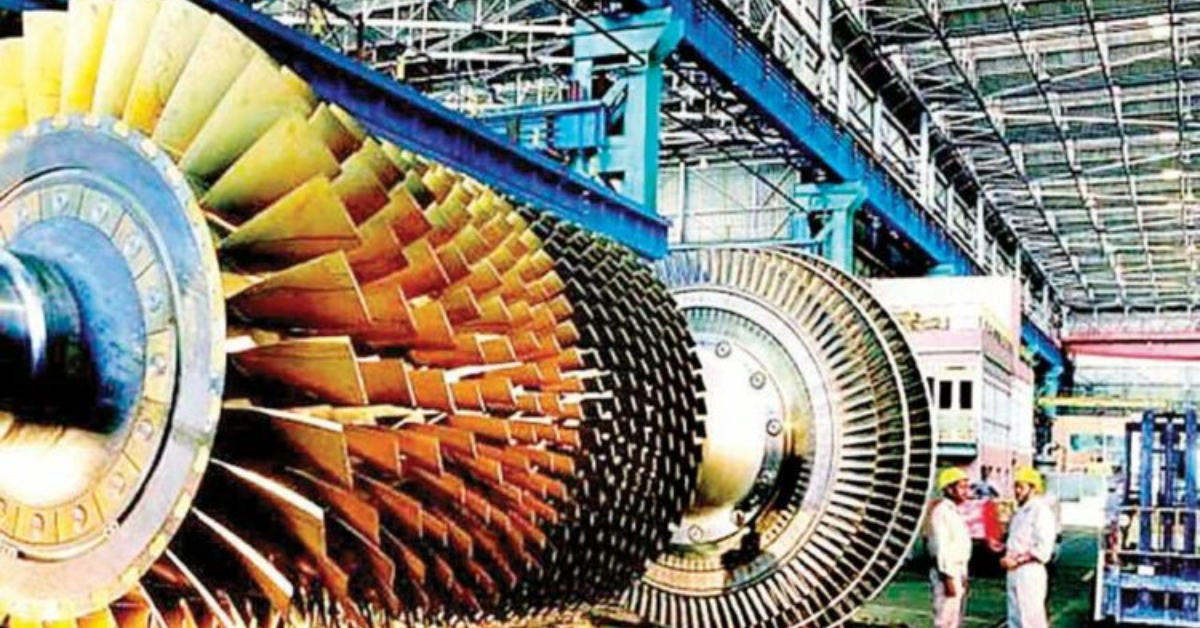

India’s engineering goods sector delivered a strong export performance in February 2026, crossing the USD 10 billion mark in monthly shipment value and demonstrating resilience despite the gathering headwinds of global supply chain disruption and rising geopolitical risk. The sector, which encompasses a broad range of products from auto components and industrial machinery to steel fabrications and electrical equipment, continues to benefit from diversified market demand and competitive pricing.
A standout feature of February’s performance was a sharp surge in shipments to China, which reportedly doubled year-on-year compared to February 2025. The uptick in China-bound engineering exports reflects both specific demand factors in the Chinese industrial economy — particularly restocking in certain machinery and components categories — and the competitiveness of Indian engineering goods in terms of price, quality, and lead times on key product lines.
China as a Growth Market: A Structural Shift
The doubling of engineering exports to China is a significant data point in a broader context of evolving India-China trade dynamics. India has traditionally run a large trade deficit with China, importing substantially more than it exports. The surge in engineering goods shipments represents a partial rebalancing, and if sustained, could mark the beginning of a more commercially reciprocal trade relationship in the manufactured goods space.
Indian engineering exporters have been expanding their presence in Chinese markets through product quality improvements, competitive pricing, and growing awareness among Chinese industrial buyers of the value proposition offered by Indian suppliers. Sectors such as specialty chemicals, industrial forgings, textiles machinery, and certain auto components have been particularly active in developing China sales.
Broader Export Basket Performing Well
Beyond China, India’s engineering exports showed strong performance across traditional markets in the United States, Europe, and the Middle East, even as the Hormuz crisis created headwinds for Gulf-bound shipments in the latter part of the month. The engineering sector’s ability to maintain above-USD 10 billion monthly export values despite these disruptions speaks to the breadth and diversification of its market reach.
Coffee and tea exports are also witnessing a positive momentum separately, with Indian premium and specialty varieties attracting growing international demand. Specialty coffee — including single-origin and estate-grown beans — and premium orthodox teas are finding strong buyer interest in Europe, North America, and parts of Asia, driven by consumer preference for traceable, high-quality, and ethically sourced beverages. The premium push is improving realisation per kilogram for Indian growers and exporters even as volumes face some logistics pressure from the current trade disruption.
Panama Canal Dispute Adds Another Risk Layer
Engineering exporters with US-bound cargo face an additional risk layer from an emerging geopolitical dispute over the Panama Canal. The US Federal Maritime Commission has flagged concerns about a spike in inspections and detentions of Panama-flagged vessels at Chinese ports, following Panama’s decision to revoke concessions held by CK Hutchison Holdings for operating the Balboa and Cristóbal terminals at the canal’s two ends. Any escalation of this dispute could disrupt transit through the canal and add yet another chokepoint complication to already stretched global supply chains.
 Join our WhatsApp channel for more updates:
 Subscribe to our YouTube channel for more updates: