



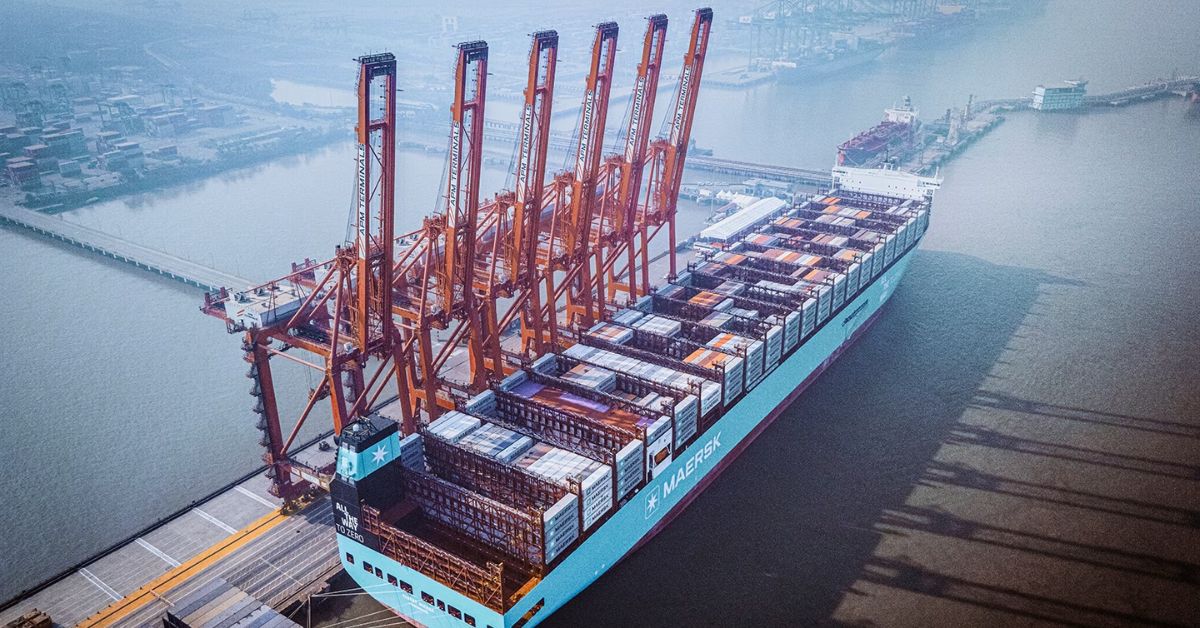

Swedish engineering group Cavotec has been selected to install India’s first-ever Automated Mooring System at Gateway Terminals India, a major container terminal at Jawaharlal Nehru Port Authority in Navi Mumbai, marking a significant technology upgrade for one of the country’s busiest ports.
What technology is being deployed and who initiated the project?
The pilot project was initiated by the port authority and will use Cavotec’s MoorMaster technology to replace traditional, heavy mooring ropes with automated vacuum pads. The system will be able to secure and release massive ships within seconds at the press of a button, representing a major upgrade over older docking processes.
How will this improve worker safety and operational efficiency?
With the new system in operation, dockworkers will no longer need to handle dangerous mooring lines, reducing workplace risks significantly. Port officials said the technology will also cut vessel turnaround times, allowing ships to dock and depart more quickly.
How will the system help GTI accommodate larger vessels within limited space?
By reducing the required safety gap between docked ships from 25 metres to 15 metres, the automated mooring system will allow the terminal to welcome 368-metre mega ships alongside standard 300-metre vessels simultaneously. This upgrade is particularly significant for Gateway Terminals India, which operates a 712-metre quay and handles around 2.18 million TEUs annually, with ambitions to reach 3 million TEUs, despite being unable to physically extend its waterfront.
What operational time savings is the port expecting?
The automated system is expected to reduce at least an hour from every vessel’s berthing and unberthing process. With the port seeing more than 500 ships annually, the terminal, owned by APM Terminals and Container Corporation of India, could recover around 500 hours of operational time each year, equivalent to an additional 21 working days.
What additional features does the system offer?
The MoorMaster system includes automated surge control and remote micro-shifting, allowing operators to adjust a ship’s position by up to 6 metres along the quay without requiring pilot tugboats. The technology is also expected to cut harmful berthing emissions by 90 percent by minimising engine idling and eliminating the need for tugboats during mooring operations.
When is the system expected to become operational?
According to sources, the system is expected to enter operation by the end of 2027, with initial testing conducted on one berth before extending to a second berth at the terminal.
 Join our WhatsApp channel for more updates:
 Subscribe to our YouTube channel for more updates: