



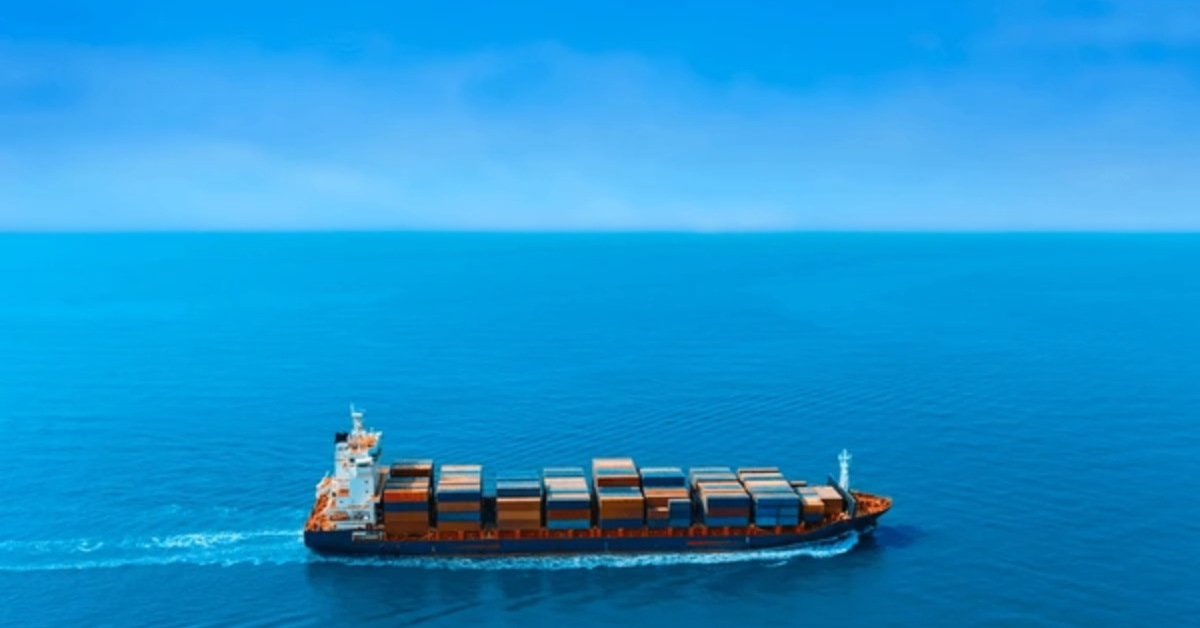

Four weeks into the US-Israel-Iran conflict, India’s trade with West Asia has effectively ground to a halt, with exports to the region — which account for nearly 16 per cent of India’s total outbound merchandise trade — having ‘virtually come to a standstill’ since March 1, according to Pankaj Chadha, Chairman of the Engineering Export Promotion Council (EEPC). The assessment delivers a sobering picture of the cumulative damage being inflicted on Indian exporters by the Hormuz blockage and the cascade of disruptions it has set off across sea freight, air cargo, insurance, and payment systems.
The disruption is not merely a matter of delayed shipments. Indian exporters across sectors report a combination of suspended shipping services, soaring War Risk Surcharges, cancelled bookings, stranded in-transit cargo, and — critically — a deepening payment crisis as Gulf-based buyers are unable to receive goods and are delaying or deferring remittances. The liquidity squeeze this creates for Indian exporters — particularly small and medium enterprises that operate on thin margins and depend on timely payment cycles — is emerging as a serious financial risk that the government’s current relief measures have not yet fully addressed.
300 Coffee Containers Stranded Across Gulf Ports
India’s coffee export sector provides one of the most vivid illustrations of the crisis’s operational reality. According to Ramesh Rajah, President of the Coffee Exporters Association of India (AICEA), approximately 300 containers — each carrying 20 tonnes of coffee — are stranded at ports or moving sluggishly through the disrupted Strait of Hormuz corridor. Consignments bound for Jebel Ali have been delayed, rerouted, or offloaded at alternative ‘safe’ ports including Khor Fakkan, Sohar, Salalah, and Jeddah — far from their intended destinations.
More alarmingly, several containers have been declared ‘end of voyage’ and discharged mid-transit, leaving exporters to independently trace, retrieve, and arrange onward delivery at their own risk and expense. Some consignments have even been sent back to Indian ports including Mundra, Nhava Sheva, New Mangalore, and Kochi — a reverse logistics nightmare that generates additional cost without any commercial outcome.
India’s Total Exports Cross $714 Billion in FY26 Despite Headwinds
The Gulf export crisis arrives at the end of a financial year in which India’s overall export performance has been broadly positive. Minister of State for Commerce and Industry Jitin Prasada announced that India’s total exports — merchandise and services combined — surpassed USD 714 billion in FY 2025-26, recording a compound annual growth rate of 6.9 per cent between FY22 and FY25. The strong full-year performance provides some context for the severity of the March disruption: an export engine that has been growing steadily is now facing a sudden and severe shock in one of its most important regional markets.
US Export Recovery Also Stalled
Adding to the pressure, Indian exporters hoping for US market recovery to compensate for Gulf losses are finding that path equally difficult. Industry executives report that tariff reductions on Indian goods in the US have failed to revive demand, with American consumer sentiment subdued amid geopolitical instability and a pending Section 301 investigation into India creating buyer uncertainty. Labour-intensive sectors including shrimp and textiles — heavily dependent on the US market — continue to struggle with weak orders. The simultaneous disruption to both Gulf and US export markets leaves Indian exporters with diminishing alternative outlets for their goods.
 Join our WhatsApp channel for more updates:
 Subscribe to our YouTube channel for more updates: