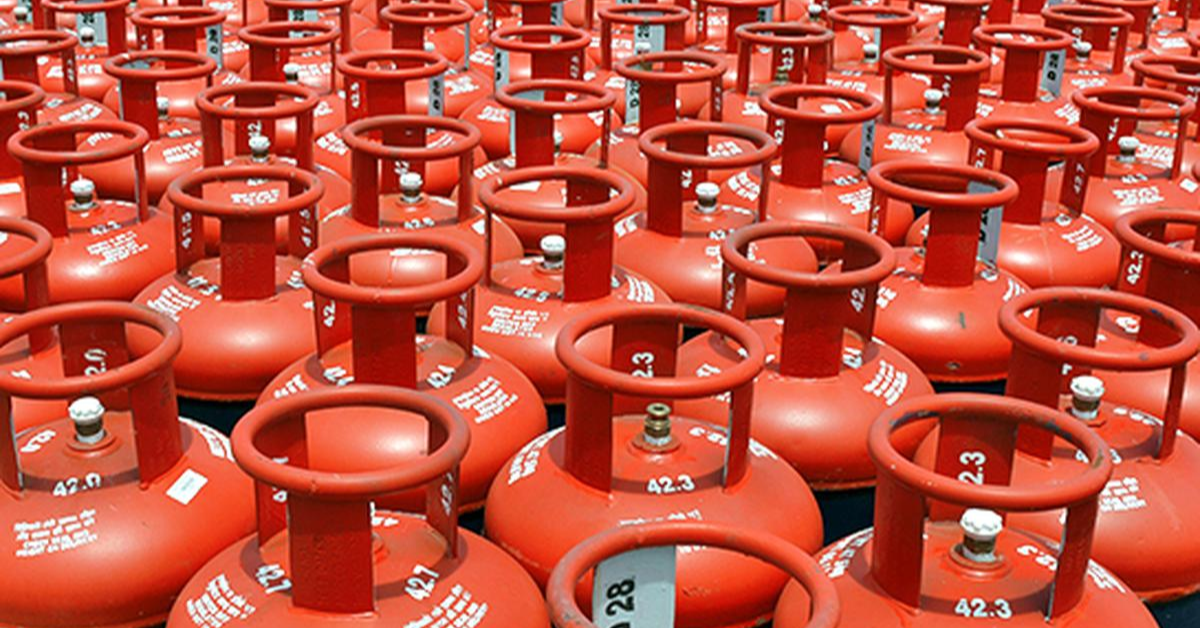

India’s liquefied petroleum gas imports are forecast to fall sharply in March 2026, with traders and real-time ship-tracking data indicating volumes could drop to approximately 1.19 million tonnes for the month — representing a decline of nearly 46 per cent on a daily average basis compared to February levels. The dramatic reduction is a direct consequence of the Strait of Hormuz closure and the disruption it has caused to cargo movement from India’s primary LPG suppliers in the Persian Gulf.
The scale of the import decline is striking: India ordinarily imports upward of 2 million tonnes of LPG per month, with the Gulf region — particularly Saudi Arabia, the UAE, and Qatar — accounting for the majority of supply. The near-halving of monthly volumes in March represents an acute shock to a domestic energy system that provides cooking gas to over 300 million households, many of them in rural areas with no alternative fuel infrastructure.
India’s Emergency Response: Loading LPG onto Idle Gulf Vessels
In a significant operational escalation, India has begun loading liquefied petroleum gas onto stranded vessels that had been lying idle in the Persian Gulf since the Hormuz closure. Government officials confirmed that multiple idle or underutilised tankers — including Indian-flagged vessels that had been trapped in the Gulf — are now being repurposed to carry LPG cargoes back to India. Several of these vessels have already been loaded and are expected to arrive at Indian receiving terminals within days.
The strategy reflects an adaptive use of the limited maritime capacity available inside the Gulf under the current Iran-controlled access regime, and is a practical extension of the diplomatic assurances that have allowed some Indian-flagged ships to transit the strait. By loading idle vessels with LPG rather than waiting for them to exit empty, India is maximising the productive use of each approved Hormuz transit.
Diversification in Full Swing: US, Argentina, Russia Fill the Gap
In parallel, India’s LPG import diversification effort is accelerating. Cargoes from the United States — including the recently arrived Pyxis Pioneer at New Mangalore — and from Argentina, which has doubled shipment volumes to India, are helping to partially offset the Gulf supply shortfall. Russian LPG is also being sourced on an opportunistic basis. While these non-Gulf cargoes involve longer voyage times of 25–35 days compared to the 7–10 day Gulf routes, they are proving essential in preventing a deeper domestic supply crisis.
Oil Sector Eyes Ethanol as Cooking Fuel Alternative
Looking beyond the immediate crisis, India’s oil and gas sector is exploring the accelerated promotion of ethanol as an alternative cooking fuel, in a bid to reduce long-term structural dependence on imported LPG. Industry stakeholders are assessing the feasibility of expanding ethanol-blended cooking solutions to rural and semi-urban households, with the initiative aligning with India’s National Biofuels Policy and its broader energy security agenda. While a full transition away from LPG for cooking is a long-term ambition, the current crisis is creating renewed urgency for accelerating alternative fuel adoption.
 Join our WhatsApp channel for more updates:
 Subscribe to our YouTube channel for more updates: