




With hundreds of ships trapped or delayed, BIMCO and five major maritime organisations have published urgent navigational and security guidance to help shipowners manage transit risks in one of the world’s most contested waterways.
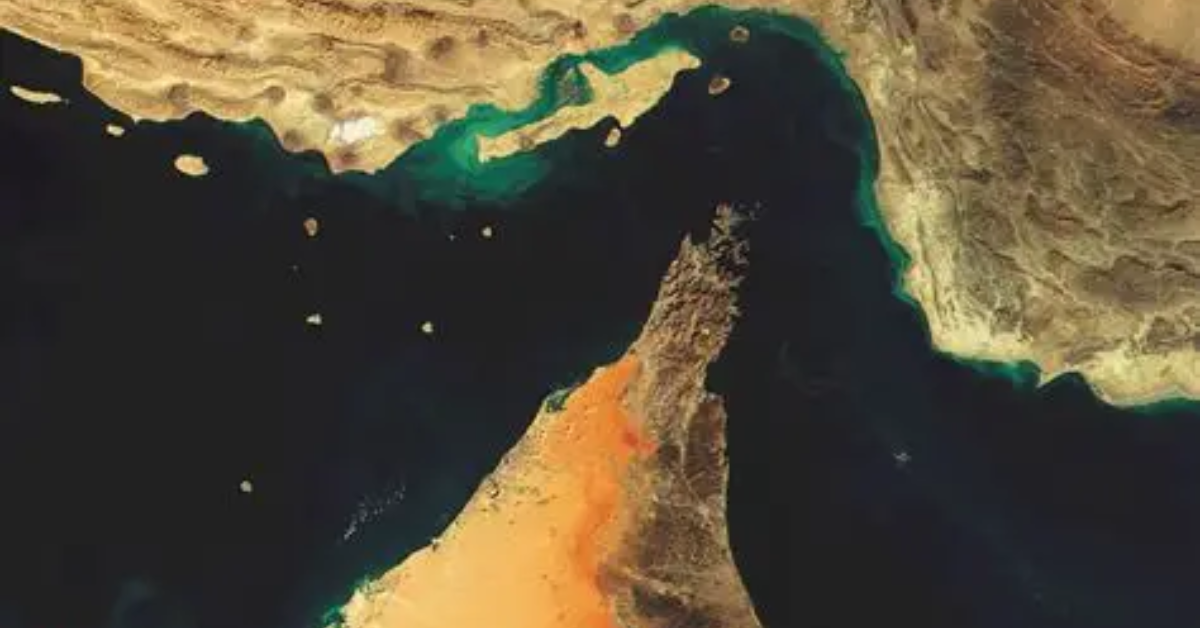
As the geopolitical crisis in the Persian Gulf continues to unfold, some of the world’s most influential maritime organisations have taken the unprecedented step of jointly issuing safety guidance specifically tailored for vessel transit through the Strait of Hormuz.
The advisory, led by BIMCO (the Baltic and International Maritime Council), was developed in coordination with the International Chamber of Shipping (ICS), INTERCARGO, INTERTANKO, the International Marine Contractors Association (IMCA), and the Oil Companies International Marine Forum (OCIMF). The breadth of the coalition reflects the gravity of the situation — rarely do so many top-tier industry bodies align to issue a single coordinated safety communication.
Central to the advisory is a stark warning: hundreds of vessels currently remain unable to transit the Strait of Hormuz. This accumulation of stalled or diverted ships has created the real risk of severe port and anchorage congestion, as well as complex navigational hazards, once movements resume. Authorities and ship operators must plan not just for current conditions, but for the sudden surge of traffic that will accompany any resumption of normal transit.
The guidance document is designed to complement the existing Best Management Practices Maritime Security (BMP MS) framework and support voyage-specific threat and risk assessments. It provides structured advice for shipowners and operators to strengthen both shipboard and shore-based planning, helping vessels safely manage transits into, within, and out of the Gulf region during this period of heightened risk.
The document addresses a range of operational concerns, including speed and manoeuvring considerations, communication protocols, crew safety procedures, emergency planning, and coordination with naval escort or maritime patrol assets operating in the region.
For India, the strategic significance of the Strait of Hormuz is immense. A substantial proportion of India’s crude oil, LNG, and petrochemical imports pass through the strait, as do exports from the Persian Gulf states with which India has deep trade ties. Indian shipping companies and oil importers have activated contingency routing plans.
The International Maritime Organization (IMO) has also been in contact with regional authorities, urging maximum restraint and protection for civilian vessels. Maritime insurers — including members of the Joint War Risks Committee in London — have already classified the Gulf as a war risk zone, adding significant insurance premia to voyages through the area.
Ship managers and crewing companies with seafarers aboard vessels operating in or near the Gulf have implemented voluntary vessel holding measures, keeping ships at safe anchorages outside the risk area until conditions improve — a pragmatic measure that is nonetheless creating significant schedule disruptions for charterers and cargo owners.
This joint advisory represents both a practical guide for daily operations and a strong collective signal to governments and regional actors that the maritime industry is deeply affected by the current situation and expects international efforts to protect the freedom of navigation in one of the world’s most strategically vital waterways.
 Join our WhatsApp channel for more updates:
 Subscribe to our YouTube channel for more updates: