



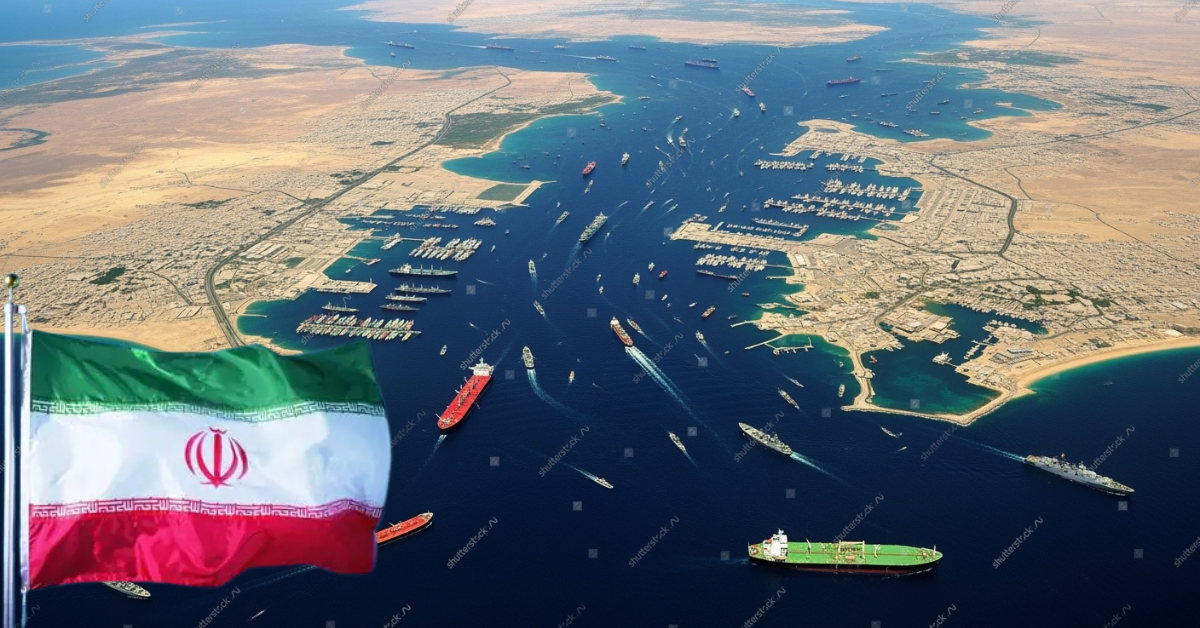

Iran has tabled a three-stage de‑escalation proposal aimed at reopening the Strait of Hormuz and easing regional tensions, offering to halt military operations around the chokepoint if the United States ends its naval blockade and broader hostilities, according to reports citing The Wall Street Journal and regional intermediaries. The plan, delivered by Foreign Minister Abbas Araghchi through regional channels, would also effectively push talks on Iran’s nuclear programme to a later phase, shelving that core dispute in favour of an immediate maritime and security-focused arrangement.
Under the reported framework, the first phase would require the US and Israel to stop the war and provide guarantees not to restart it, after which neutral mediators would oversee the phased reopening of the strait and negotiate a long-term management mechanism for the vital waterway. In Washington, the Trump administration is said to be actively reviewing the offer, with White House Press Secretary Karoline Leavitt confirming that the proposal has been examined by the president and his national security advisers.
US Secretary of State Marco Rubio has acknowledged that Tehran appears “serious about making a deal” but has cautioned that Washington will not accept any arrangement that leaves Iran with de facto authority over the shipping lane or sidelines concerns over its nuclear and missile programmes. While Iran has sought backing from Russia and is reportedly exploring a toll-collection scheme with Oman for vessels transiting the strait, mediators note that major gaps remain, particularly over the sequencing of sanctions relief, the end of the blockade, and the timing of any future nuclear talks.
 Join our WhatsApp channel for more updates:
 Subscribe to our YouTube channel for more updates: