




Iran is negotiating with Oman to establish a temporary shipping corridor through the Strait of Hormuz that would function as a single two-way route rather than multiple separate lanes, Iranian Foreign Ministry spokesperson Esmaeil Baqaei said, as talks over reopening the critical waterway enter their final stages.
What is the proposed structure of the new corridor?
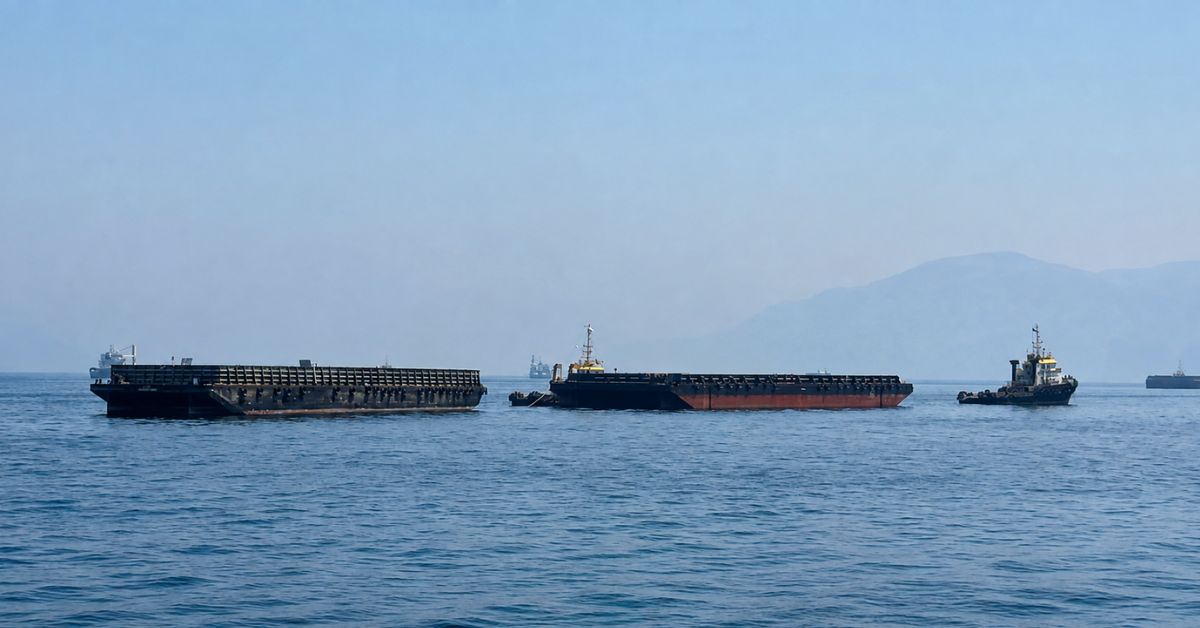
Baqaei said negotiations have focused on replacing the existing separate northern and southern routes with a single intermediate corridor designed to accommodate the interests and security concerns of both coastal states. Under the proposed model, tankers and cargo ships would enter the Strait of Hormuz on a northern route through Iranian territorial waters, merging what were previously distinct passages through Iranian and Omani waters into one round-trip corridor. The proposed interim arrangement would remain in place until Iran and Oman agree on a permanent replacement for the existing international Traffic Separation Scheme.
Why has Iran raised objections to the existing southern route?
Baqaei argued that the southern route through Omani waters, promoted by Washington following the Islamabad Memorandum of Understanding, contradicted the June 18 memorandum that ended the recent conflict and raised environmental and national security concerns. He also alleged that some vessels using the southern route had transported military equipment, contrary to the understanding that the corridor should facilitate only commercial shipping.
What is the current status of maritime traffic through the strait?
Baqaei said Iran had accepted responsibility under the June 18 memorandum to help restore maritime traffic to pre-war levels within 30 days, but that these efforts were disrupted after the United States launched military attacks against Iran before the deadline expired and reinstated what he described as an unlawful maritime blockade and restrictions on Iranian oil exports. He said the strait’s status would remain unchanged as long as the United States continues what Tehran calls its aggression against the country.
Is the United States involved in these talks?
Baqaei explicitly denied that Iran is in negotiations with Washington, stating that current discussions are solely between Tehran and Muscat. This came despite US President Donald Trump’s earlier claims that talks on the Strait of Hormuz and Iran’s denuclearisation could resume. Iranian Foreign Minister Abbas Araghchi said separately that the Iran-Oman negotiations are in their final stages, though Oman’s foreign ministry has not publicly confirmed or denied the talks.
What would this mean for global shipping and energy markets?
The Strait of Hormuz remains a critical corridor for global oil, gas and fertiliser shipments, and any agreement between Iran and Oman to reopen a functioning corridor would offer significant relief to shipping lines, energy markets and countries dependent on Gulf crude supplies that have faced disruption since the waterway’s closure following the earlier Israel-US conflict with Iran.
 Join our WhatsApp channel for more updates:
 Subscribe to our YouTube channel for more updates: