



Global shipping braces for fresh disruption as the US-Iran truce unravels within hours of being announced, with Lebanon emerging as the critical flashpoint
A hard-won ceasefire between the United States and Iran has been thrown into immediate jeopardy after Tehran closed the Strait of Hormuz on April 8, 2026 — less than 24 hours after the truce was announced — in direct response to a massive Israeli assault on Lebanon that killed over 100 people in a single day.
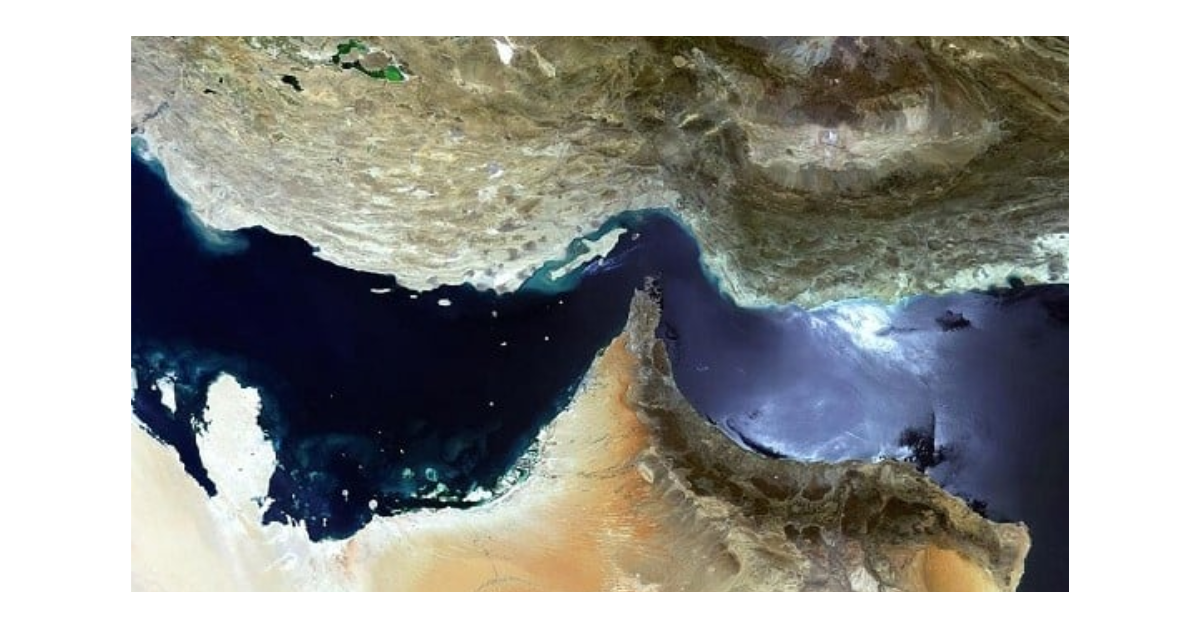
Iran closed the Strait of Hormuz in response to Israeli strikes on Lebanon, a move that came less than 24 hours after a temporary ceasefire agreement that had specifically included the reopening of the critical waterway.
What Triggered the Closure
Israel’s military called it the largest coordinated strike in the current war, hitting more than 100 Hezbollah targets within 10 minutes across Beirut, southern Lebanon, and the eastern Bekaa valley. The strikes, which hit residential and commercial areas in central Beirut without warning, killed at least 112 people and wounded hundreds more.
Iran’s position was unambiguous. Iranian Foreign Minister Abbas Araghchi insisted that an end to the war in Lebanon was part of the ceasefire deal with the US, writing on X: “The world sees the massacres in Lebanon. The ball is in the US court, and the world is watching whether it will act on its commitments.”
The US and Israel, however, took a different view. Both President Trump and Israeli Prime Minister Benjamin Netanyahu said the ceasefire agreement did not cover Lebanon. Trump described the continued strikes as “not included” in the two-week deal, calling Lebanon “a separate skirmish.”
The Strait: Shut Again, Disputed Again
Iran’s semi-official Fars News Agency, affiliated with the Islamic Revolutionary Guard Corps (IRGC), reported that while two oil tankers crossed the strait with Iranian permission earlier on Wednesday, traffic has now been halted.
The White House pushed back sharply. Press secretary Karoline Leavitt told reporters that Iranian reports of a Strait closure were false, while also calling any such closure “completely unacceptable” and reiterating Trump’s demand that the waterway be immediately and unconditionally reopened.
The dispute over whether the Strait is truly closed or merely restricted reflects the chaotic atmosphere surrounding a ceasefire deal that both sides are interpreting very differently.
What’s at Stake for Global Shipping
The economic consequences of another Strait closure are severe and immediate. Iranian attacks and threats have already deterred many commercial ships from using the waterway, through which 20% of all traded oil and natural gas passes in peacetime — roiling the world economy and raising pressure on Trump both domestically and internationally to find a resolution.
The ceasefire may also formalise a system of charging fees in the strait that Iran has already instituted during the conflict, potentially giving Tehran a new and ongoing source of revenue — a shift that would upend decades of precedent treating the Strait as a free international waterway. That prospect is likely to be deeply unwelcome to Gulf Arab states, which have also suffered repeated Iranian missile and drone attacks on their oil infrastructure.
Peace Talks Scheduled, But Uncertainty Reigns
Despite the spiralling tensions, diplomatic channels remain open. Pakistan’s Prime Minister invited US and Iranian leaders to Islamabad for in-person talks on Friday, with the White House saying it is in discussions on the matter, though nothing has been finalised.
Iran’s semi-official Tasnim news agency, affiliated with the IRGC, claimed Tehran had “forced” the US to accept a 10-point plan that includes guarantees of non-aggression, Iranian control over the Strait of Hormuz, acceptance of uranium enrichment, and the lifting of all primary and secondary sanctions. Washington disputes this characterisation, and the divergence between Iranian and US-facing versions of the ceasefire terms — particularly on uranium enrichment — has added a further layer of uncertainty to an already fragile situation.
For the global shipping industry and energy markets, the next 48 hours will be critical — determining whether the ceasefire holds, whether the Strait reopens freely, and whether the Lebanon conflict can be kept from consuming what little diplomatic goodwill has been achieved.
 Join our WhatsApp channel for more updates:
 Subscribe to our YouTube channel for more updates: