


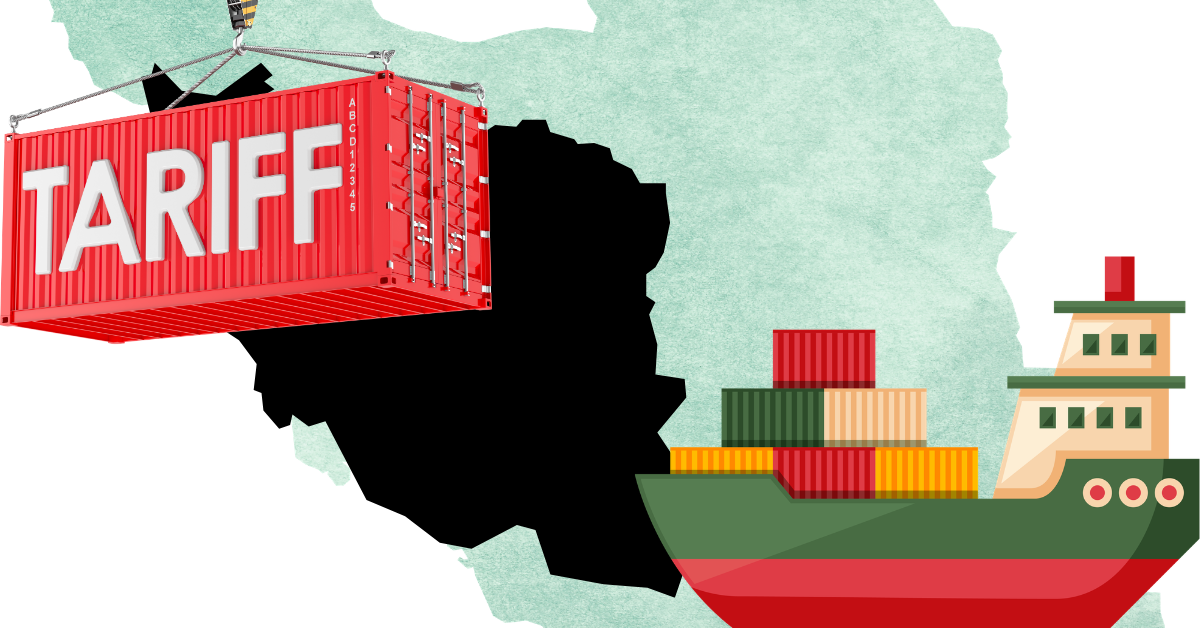

Iran is considering a proposal to levy transit fees on vessels passing through the Strait of Hormuz, in a move that could add a new layer of financial and geopolitical complexity to an already severely disrupted global shipping corridor. The development, reported by Iran’s Students’ News Agency (ISNA), signals that Tehran may seek to monetise its geographic control over one of the world’s most critical maritime chokepoints as the conflict with the United States and its allies enters a prolonged phase.
An Iranian lawmaker confirmed that parliament is actively reviewing a legislative bill that would require countries using the strait for the transport of oil, LNG, food, and other commodities to pay tolls and taxes to Tehran. The proposal is framed by its proponents as a means for Iran to leverage its strategic geographical advantage — the country’s coastline forms the northern shore of the Hormuz strait — at a time of heightened international pressure.
Selective Access Already in Practice
Iran has simultaneously signalled a degree of willingness to work with international maritime bodies, with officials expressing openness to coordination with the International Maritime Organization (IMO) on Gulf safety. However, Tehran has made clear that the strait will remain inaccessible to vessels linked to what it terms ‘enemy’ nations — including those operating under US, Israeli, or allied flags — even as ships from non-adversarial countries such as India, China, and several other Asian nations may be granted passage under specific conditions.
Implications for India
For India, the transit fee proposal carries significant implications. India is among the largest users of the Hormuz strait, importing substantial volumes of crude oil, LPG, LNG, and chemical feedstocks from Persian Gulf producers. If implemented, a transit levy would constitute an additional cost burden on Indian energy imports at a time when freight rates, war-risk insurance premiums, and rerouting costs are already elevated.
It would also raise complex legal questions under international maritime law — specifically under the United Nations Convention on the Law of the Sea (UNCLOS), which grants all nations the right of ‘transit passage’ through international straits used for navigation. Iran is a signatory to UNCLOS, and any attempt to impose fees on transit passage would likely face legal challenge.
Markets and Governments Watch Closely
Global energy markets and maritime industry bodies are watching the proposal closely. Oil prices, already elevated above USD 108 per barrel, could respond sharply if the transit fee bill advances and signals a further hardening of Iran’s position on Hormuz access. Shipping companies and trade associations have urged governments to engage diplomatically with Tehran to prevent further restrictions on commercial navigation.
 Join our WhatsApp channel for more updates:
 Subscribe to our YouTube channel for more updates: