



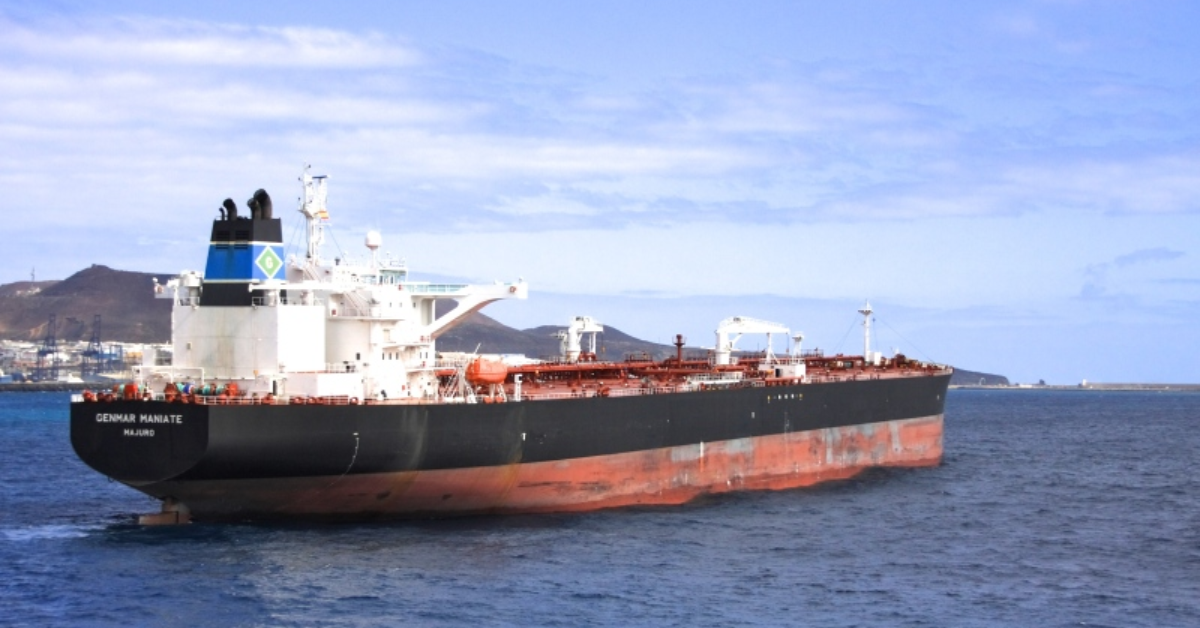

India’s energy pipeline from the Gulf received another critical boost on Wednesday as the Indian-flagged crude oil tanker Jag Laadki arrived safely at Adani Ports’ Mundra terminal in Gujarat, carrying approximately 80,886 metric tonnes of crude oil sourced from the United Arab Emirates. The vessel loaded its cargo at Fujairah Port — a port that had itself come under drone attack just days earlier — and departed safely on Sunday morning before completing its voyage to Mundra.
The Jag Laadki is the fourth Indian-flagged vessel to successfully transit the conflict-affected waters near the Strait of Hormuz and return safely to Indian shores since the West Asia crisis escalated following coordinated US-Israel airstrikes on Iran on 28 February. According to shipping sources, all 22 Indian seafarers aboard are safe. The tanker, measuring 274 metres in length with a deadweight tonnage of around 164,716 tonnes, is among the larger crude carriers regularly calling at Indian ports.
Its arrival follows the safe docking of LPG carriers Shivalik and Nanda Devi at Mundra and Vadinar respectively on March 16 and 17, and takes the total number of Indian vessels that have successfully navigated the conflict zone to four. Originally, there were 28 Indian-flagged vessels in or near the Strait of Hormuz when hostilities broke out. Authorities have confirmed that the remaining vessels are being closely tracked.
The Directorate General of Shipping (DG Shipping) stated it is continuously monitoring the situation in coordination with shipowners, RPSL agencies, and Indian diplomatic missions in the region. The government also confirmed that Operation Sankalp — India’s naval presence in the Arabian Sea — remains fully operational, with warships patrolling vital sea lanes to ensure the safe passage of Indian commercial vessels. India imports approximately 88 per cent of its crude oil, 50 per cent of natural gas, and 60 to 90 per cent of its LPG requirements — the bulk of which flows through Gulf shipping corridors.
The safe arrival of Jag Laadki will provide some relief to Indian refiners who have been scrambling to secure supply alternatives since the effective closure of the Strait of Hormuz to most international traffic. With nearly 500 tanker vessels still believed to be confined within the Persian Gulf due to the conflict, the pace of recovery will depend heavily on diplomatic progress and ceasefire conditions.
 Join our WhatsApp channel for more updates:
 Subscribe to our YouTube channel for more updates: