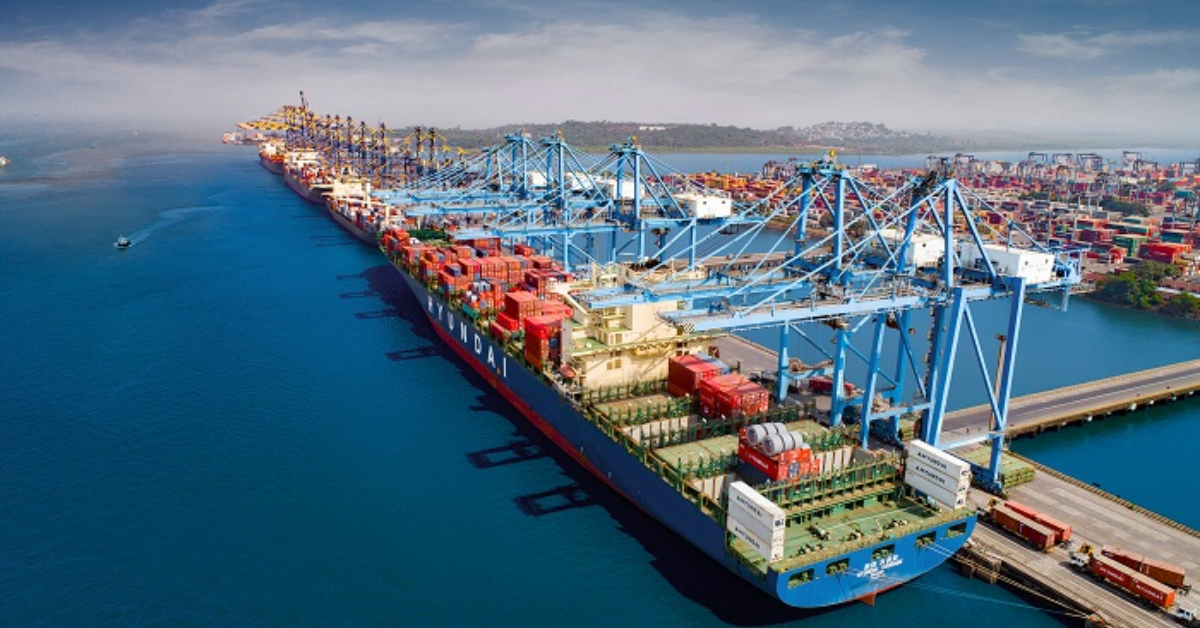

In a significant relief measure for exporters, Jawaharlal Nehru Port Authority (JNPA) has waived additional storage charges on around 3,000 export-laden containers stranded at its terminals due to ongoing disruptions in Middle East shipping routes. The decision comes as global trade faces prolonged delays from Houthi attacks in the Red Sea, forcing vessels to reroute via the Cape of Good Hope.
Gaurav Dayal, IAS, Chairperson, JNPA announced the waivers during a press briefing, highlighting the port’s commitment to easing the financial burden on the export community. “These containers, primarily carrying pharmaceuticals, textiles, and engineering goods destined for Europe and the US, have been stuck for weeks,” Wagh explained. “By suspending demurrage and detention charges until further notice, we aim to support exporters navigating these unprecedented challenges.”
The Red Sea crisis, escalating since late 2023, has slashed container shipping capacity on the Suez Canal route by over 50%, according to industry estimates. Major lines like Maersk, MSC, and Hapag-Lloyd have diverted ships southward, adding 10-14 days to transit times and inflating freight rates by 200-300%. This has led to a pile-up at Indian ports, with JNPA—the nation’s largest container gateway handling 5.2 million TEUs annually—bearing the brunt.
At JNPA, located in Navi Mumbai, the stranded containers occupy nearly 20% of the yard space across its four terminals: APM Terminals, Bharat Mumbai Container Terminal (BMCT), Gateway Terminals India (GTI), and JNPA’s own facility. Exporters report mounting losses from tied-up capital, expired shelf-life goods, and disrupted cash flows. “Our shipments to Rotterdam are delayed by a month, and without these waivers, storage costs would have exceeded ₹50,000 per container,” said Rajesh Patel, president of the Mumbai Exporters Association.
Dayal assured stakeholders that JNPA is coordinating with shipping lines to prioritize berthing for diverted vessels. The port has also ramped up rail evacuations, dispatching over 1,000 containers inland via the Dedicated Freight Corridor in the past week. “We’re working 24/7 to decongest yards and maintain fluidity,” he added. Inland container depots (ICDs) like those in Dadri and Tughlakabad are being utilized for temporary storage.
The waivers, effective immediately, apply to free time extensions beyond standard norms—typically 5-7 days for exports. While welcomed, exporters urge a broader government intervention, including subsidies on rerouting surcharges and insurance claims facilitation. The Federation of Indian Export Organisations (FIEO) has already petitioned the Commerce Ministry for a ₹5,000 crore relief package.
As the crisis persists into 2026, JNPA’s proactive steps underscore India’s maritime resilience. With global trade volumes projected to dip 1-2% this fiscal year per UNCTAD forecasts, ports like JNPA remain pivotal in sustaining export momentum. Exporters are advised to monitor vessel schedules via JNPA’s portal and explore multimodal logistics to mitigate further delays.
 Join our WhatsApp channel for more updates:
 Subscribe to our YouTube channel for more updates: