



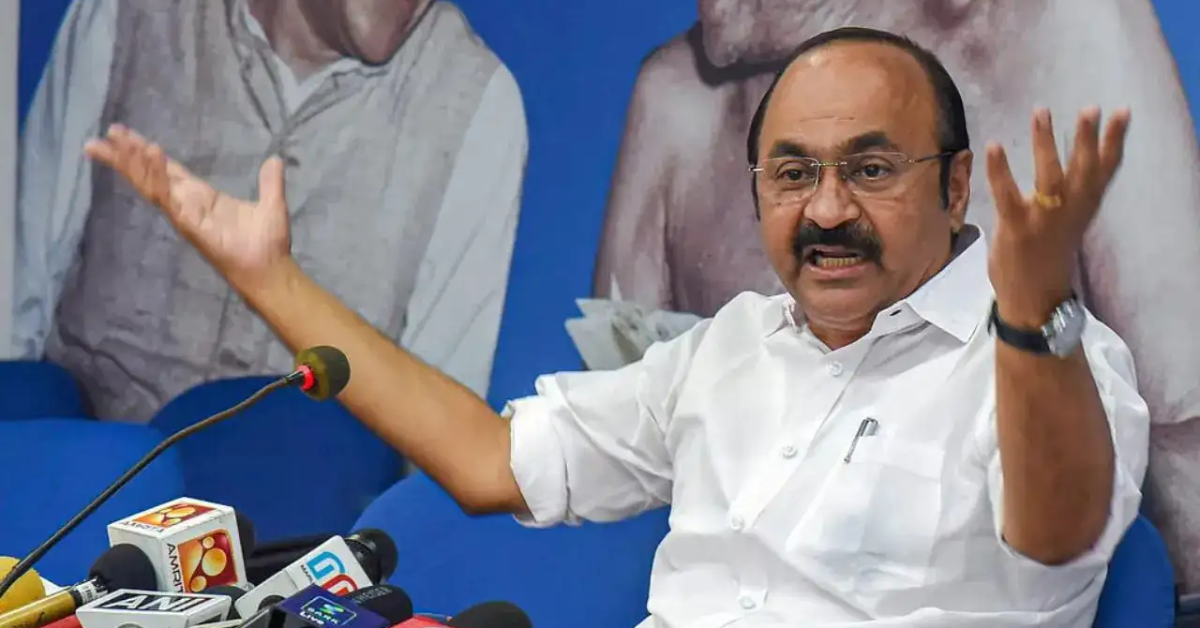

In an unusual move, Kerala’s new CM has concentrated Ports, Coastal Shipping, Inland Navigation and Railways under his direct leadership — signalling an ambitious port-led economic transformation for the state.
Kerala Chief Minister V. D. Satheesan has placed maritime and connectivity infrastructure at the very heart of his government’s economic agenda, retaining personal control of the Ports, Coastal Shipping, Inland Navigation, Railways and Metro Rail portfolios even after handing over the Home Ministry.
The decision, unusual in its concentration of infrastructure portfolios under a single political leader, has been read by political observers and industry stakeholders as a clear statement of intent: the Satheesan government intends to drive Kerala’s economic transformation through port-led development, multimodal connectivity and maritime growth.
The Chief Minister has articulated a sweeping vision built around what he calls a “Coastal Urban Corridor,” an ambitious framework for the comprehensive and integrated development of Kerala’s coastline. The proposed corridor would bring together port expansion, coastal shipping routes, inland waterway development, rail and metro connectivity, and urban infrastructure into a single, cohesive economic growth strategy.
Kerala’s geography makes it uniquely suited for such a model. The state has a coastline stretching over 590 kilometres along the Arabian Sea, with a network of inland backwaters, rivers and canals that offer substantial potential for waterway-linked commerce. The Cochin Port Authority, Beypore Port, and a series of smaller fishing harbours together form the backbone of the state’s maritime infrastructure.
Industry stakeholders have cautiously welcomed the CM’s directional clarity. For years, Kerala’s port development efforts have been fragmented across departments and hampered by jurisdictional overlaps. A single political leader holding all the relevant portfolios could break through some of those bureaucratic bottlenecks, enabling faster project clearances, coordinated infrastructure planning and aligned investment decisions.
The focus on coastal shipping is particularly significant. Kerala’s road network, while better developed than many Indian states, faces chronic congestion. Shifting freight movement to coastal vessels and inland waterways could alleviate road pressure while creating new opportunities in maritime services, fishing, and tourism.
The Satheesan vision also aligns with the union government’s Maritime Amrit Kaal 2047 programme, which aims to dramatically expand India’s port capacity, coastal shipping share and maritime service exports over the next two decades. Kerala’s active participation and alignment could attract central funding and support for projects including port dredging, vessel acquisition for inland routes and the development of new cargo terminals.
With tourism also connected to the coastal corridor concept, the potential for synergies between trade-oriented maritime development and Kerala’s globally recognised backwater tourism brand is significant. If the plan comes together, it could position Kerala as both a cargo transit hub and a model for sustainable, sea-economy-centred state development in India.
 Join our WhatsApp channel for more updates:
 Subscribe to our YouTube channel for more updates: