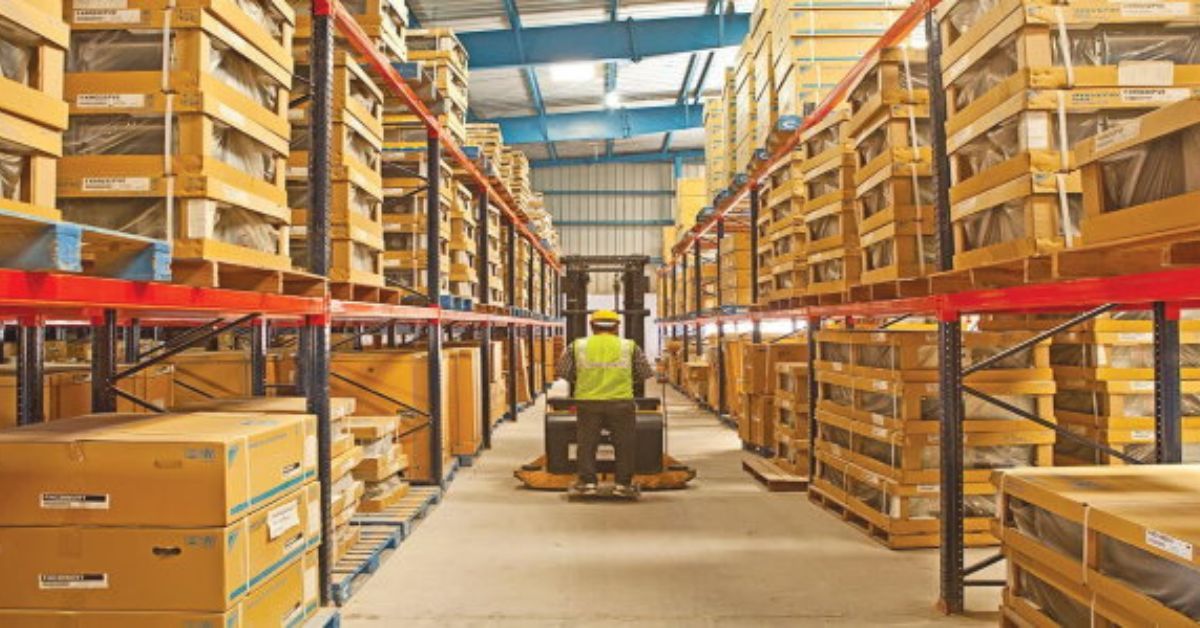

Mumbai’s peripheral logistics corridor has secured another significant endorsement from organised retail, underscoring its rising importance in India’s supply chain landscape. A major retailer has entered into a long-duration lease for a large warehousing facility in the Panvel–Raigad region, further cementing the area’s role as a critical distribution hub for the Mumbai Metropolitan Region (MMR).
According to property registration data, the retailer has taken on more than 66,000 sq ft of warehouse space near Panvel under an agreement running close to 30 years. The total rental commitment over the tenure is estimated at over ₹100 crore, highlighting a clear shift by large occupiers towards long-term infrastructure-led logistics strategies rather than short-term, flexible leasing models.
The facility is part of a larger industrial development designed to handle high-throughput storage and regional distribution. The lease structure includes periodic rent escalation, providing inflation-linked returns for owners while offering predictability and cost planning for the tenant. Market participants say such extended lock-in arrangements are increasingly preferred by retailers seeking stability and resilience in their supply chains.
The Panvel–Raigad belt has rapidly evolved into one of western India’s most attractive logistics zones, supported by strong road connectivity, access to ports, proximity to Mumbai’s key consumption markets, and the addition of new aviation infrastructure. This multi-modal access has helped shorten delivery timelines, reduce transportation costs, and improve overall operational efficiency for large-scale retail networks.
The newly leased warehouse will support storage and distribution across multiple consumer segments, reflecting the growing scale and sophistication of backend retail operations. Analysts note that well-located, consolidated warehousing is becoming a decisive factor in retail competitiveness, particularly in dense urban regions where congestion, land constraints, and sustainability considerations limit fragmented storage models.
The transaction also mirrors broader momentum in MMR’s industrial real estate sector. Over the past year, logistics and manufacturing occupiers have committed to sizeable spaces across locations such as Panvel, Bhiwandi, and Kurla, drawing increased interest from institutional investors in modern logistics parks built to current safety, efficiency, and environmental standards.
At a national level, India’s industrial and logistics segment achieved record space absorption in 2025, fuelled by manufacturing growth, organised retail expansion, and a rebound in e-commerce activity. The growing preference for longer lease tenures suggests occupiers are planning for steady, long-term demand rather than short-lived cycles.
As Mumbai continues to push freight and storage activities away from its congested urban core, experts say the next phase of growth will depend on coordinated infrastructure planning, cleaner energy adoption, and better workforce access—factors that will shape whether emerging logistics hubs develop as sustainable economic assets or simply high-density industrial clusters.
 Join our WhatsApp channel for more updates:
 Subscribe to our YouTube channel for more updates: