



India is steadily positioning itself as a frontrunner in the Blue Economy, driven by a series of port-led, renewable energy and maritime-sector initiatives that are reshaping its growth trajectory, according to Director General of Shipping Shyam Jagannathan. Emphasising the growing importance of the maritime domain in the country’s economic evolution, he said the Blue Economy is emerging as a key enabler of infrastructure development, international competitiveness and sustainable growth, all aligned with the vision of Viksit Bharat 2047.
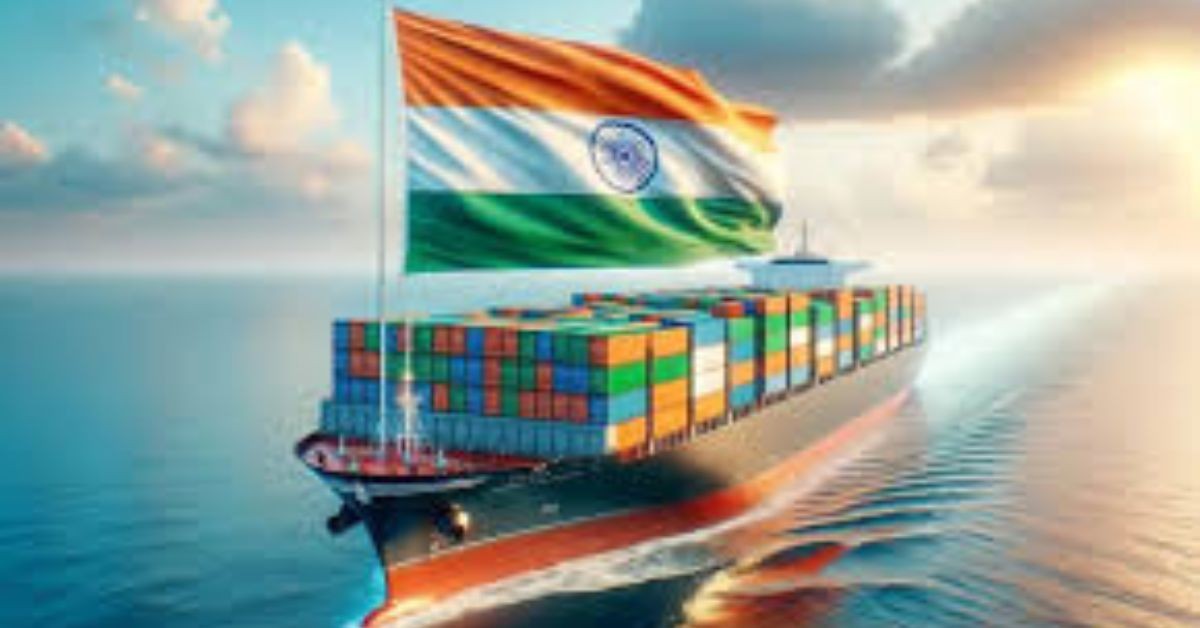
Speaking at a maritime seminar in Kochi on Friday, Jagannathan underlined the critical role of the shipping and ports ecosystem in India’s trade and logistics, noting that more than 90 per cent of the nation’s trade by volume moves through sea routes. India today operates a merchant fleet of over 1,520 vessels with a combined gross tonnage of more than 13 million, strengthening its presence in global shipping and maritime services.
The government has set an ambitious target to place India among the world’s top 10 nations in shipbuilding and ship repair, with plans to ramp up capacity from the current level of around 100,000 GT to over 500,000 GT. Parallelly, it aims to ensure that more than 60 per cent of the energy consumed at major ports is sourced from renewables, reinforcing the sector’s sustainability push.
Jagannathan said the advanced phase of the Maritime Amrit Kaal 2047 roadmap aspires to secure for India a position among the global top five in shipbuilding while maintaining its lead in ship recycling. This vision is anchored in the development of carbon-neutral ports, promotion of green and alternative fuels, creation of green bunkering infrastructure and incentives for low-emission vessels, supported by over 300 strategic initiatives across 11 key maritime segments and 20–30 per cent financial support for green ships, including retrofits.
On ship recycling, he pointed out that India currently handles 30–35 per cent of global ship recycling tonnage and meets 20–25 per cent of the country’s ferrous scrap demand through this activity. The 115 Hong Kong Convention-compliant yards at Alang-Sosiya in Gujarat are helping build a green steel ecosystem while generating significant employment opportunities.
The DG Shipping also highlighted a wave of policy and legislative reforms aimed at overhauling the regulatory architecture governing the maritime sector. He referred to five landmark mercantile legislations introduced in 2025—the Admiralty Act, the Carriage of Goods by Sea law, the Coastal Shipping law, the Merchant Shipping law and the Indian Ports law—which are designed to modernise the legal framework, improve the ease of doing business and bring India’s maritime regime in line with global standards.
 Join our WhatsApp channel for more updates:
 Subscribe to our YouTube channel for more updates: