


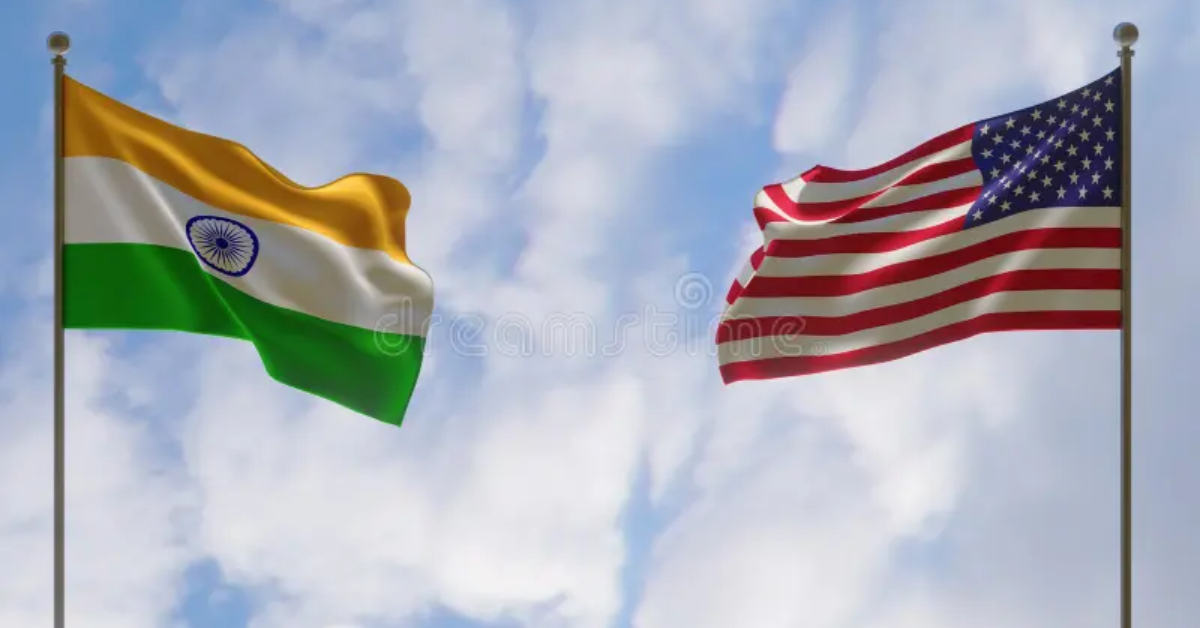

Prime Minister Narendra Modi and US President Donald Trump held a crucial telephonic conversation on Tuesday, March 24 — their first direct exchange since hostilities between the United States, Israel, and Iran commenced on February 28 — focusing on the rapidly escalating West Asia conflict and its severe impact on global energy security and maritime trade.
The call, confirmed by the Prime Minister’s Office, came at a critical juncture as the Strait of Hormuz remains effectively closed to international commercial shipping, global oil prices hover above USD 108 per barrel, and India’s trade and energy supply chains face mounting pressure from the continuing crisis.
Modi’s Key Message: De-escalation and Open Waterways
In a post on social media platform X, Prime Minister Modi said he had a ‘useful exchange of views’ with President Trump on the West Asia situation and conveyed India’s firm position that the conflict must be brought to an end through dialogue and diplomacy at the earliest. Critically, Modi emphasised that ensuring the Strait of Hormuz remains open, secure, and accessible is ‘essential for the whole world’ — a pointed message directed at both the United States and Iran, underscoring India’s strategic interest in the free flow of energy through the chokepoint that carries approximately 20 per cent of global oil trade.
India’s stance reflects its position as the world’s third-largest oil importer and a country that sources the vast majority of its crude oil, LPG, and LNG from Persian Gulf producers. Any prolonged closure of the Hormuz strait imposes direct and severe costs on India’s energy security, trade balance, and macroeconomic stability.
Six Indian Nationals Killed in Conflict Zone
The call carried additional urgency given that at least six Indian nationals have lost their lives in the conflict zone since hostilities began — a development that has added a humanitarian dimension to India’s already significant economic and strategic stakes in the crisis. The deaths have prompted the Ministry of External Affairs to intensify consular outreach to Indian nationals working in the Gulf region, where approximately 9 million Indian diaspora members are employed.
India’s Balancing Act Between Washington and Tehran
The Modi-Trump call reflects the delicate diplomatic tightrope that India is walking in this crisis. On one hand, India maintains strong strategic and defence partnerships with the United States and has no interest in seeing Iran’s regional ambitions go unchecked. On the other hand, India has deep economic ties with Iran — including energy imports, the Chabahar Port project, and people-to-people links — and has been one of the few major democracies to maintain open channels with Tehran throughout the conflict.
India’s ability to secure safe passage for its LPG tankers through the Hormuz strait — unlike most other nations’ vessels — is a direct product of this diplomatic positioning. Whether the Modi-Trump call translates into coordinated pressure on Iran to reopen the strait to broader commercial traffic remains to be seen, but the conversation marks a meaningful step in India’s active engagement on the crisis at the highest political level.
 Join our WhatsApp channel for more updates:
 Subscribe to our YouTube channel for more updates: