




Goa port issues two trade notices in five days as Hormuz crisis disrupts India’s energy logistics and West Asia trade
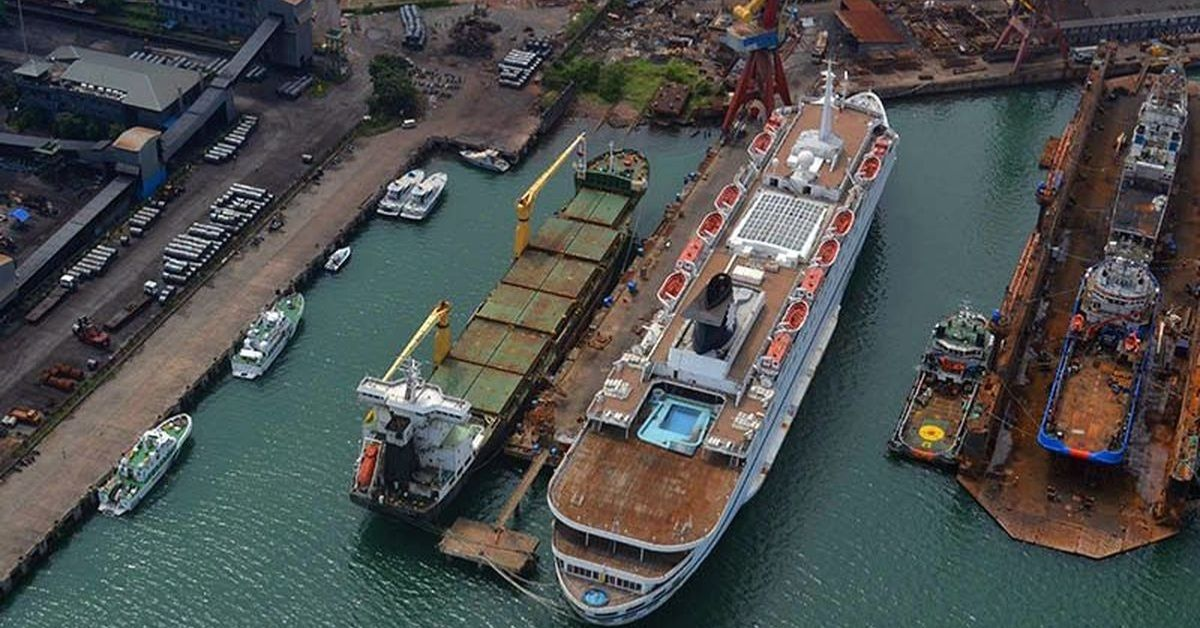
On the frontlines of India’s port-level response to the West Asia maritime crisis, Mormugao Port Authority in Goa has become one of the first major Indian ports to issue concrete policy measures aimed at protecting both the country’s energy supply chain and the financial health of its exporter community.
Through two consecutive trade notices issued within five days of each other, the port has introduced priority berthing for vessels carrying essential commodities — and scrapped the cumbersome upfront payment mechanism for exporters trading with Gulf nations, replacing it with direct billing concessions.
Under the new directive, vessels transporting critical cargo categories — specifically crude oil, LNG, LPG, and fertilisers — will receive priority berthing at Mormugao, wherever feasible, based on recommendations from the relevant central nodal ministry. The measure aligns with the Ministry of Ports, Shipping and Waterways’ broader directive to all major ports to safeguard the movement of energy and essential commodity cargoes.
Traffic Manager Jerome Clement’s trade notice also called on all maritime stakeholders — including shipping agents, vessel operators, importers, exporters, and stevedores — to ensure timely submission of statutory documents and compliance with pre-arrival procedures, so that port operations remain smooth despite the external disruptions. The port assured industry that minor documentation issues would be handled in a ‘facilitative manner’ to avoid unnecessary delays while maintaining safety, security, and environmental protocols.
The second, and perhaps more commercially impactful, measure relates to export billing relief. Previously, exporters shipping cargo to West Asian destinations were required to pay the full port charges upfront and then claim applicable concessions or waivers through a reimbursement process — a system that imposed significant short-term cash flow stress on small and medium exporters, especially during periods of shipping uncertainty.
This has now been changed. Under the revised policy, all applicable concessions and waivers for West Asia-bound export cargo will be adjusted directly at the time of billing, eliminating the need for advance payments and subsequent refund claims. This real-time concession adjustment is expected to provide tangible liquidity relief to exporters grappling simultaneously with rising freight costs, longer transit times due to route diversions, and elevated insurance premiums.
Mormugao Port, strategically located on India’s western coastline in Goa, handles a diversified cargo mix including iron ore, thermal coal, fertilisers, and container traffic. Its proximity to major Gulf trade routes makes it particularly sensitive to disruptions in the Middle East maritime corridor.
 Join our WhatsApp channel for more updates:
 Subscribe to our YouTube channel for more updates: