



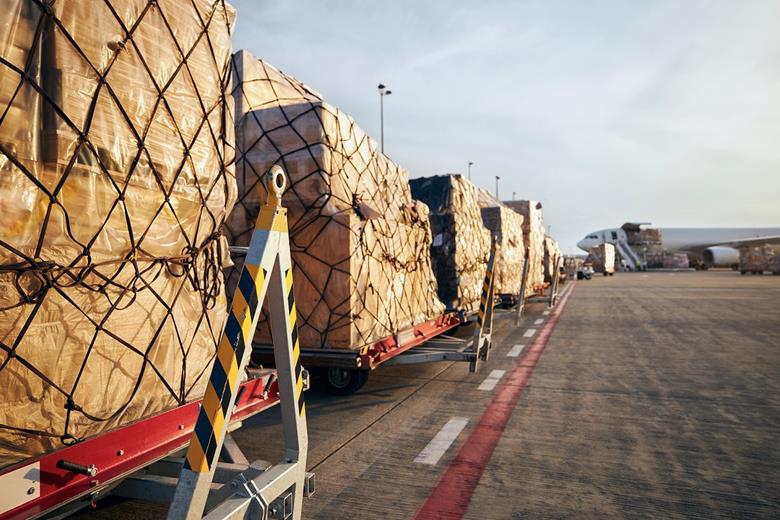

The Netherlands has become the latest EU member state to push for a national handling fee on low-value e-commerce parcels arriving from outside the bloc, joining a growing regional effort to manage surging shipment volumes.
Under the Dutch proposal, every product worth less than €150 inside an incoming parcel would be subject to a charge of €0.50 to €2. The measure aligns with similar initiatives underway in France, Belgium and Luxembourg, all of which are preparing to introduce their own fees early next year to ease mounting pressure on customs capacity.
Dutch officials, according to national broadcaster NOS, are concerned that if neighbouring countries implement their fees first, parcel flows could shift further toward Dutch gateways, creating added strain on local airports and seaports. An EU-wide fee is also being explored, but it is not expected to be implemented until November—too late, the four countries argue, to head off the growing operational challenges.
Industry group Air Cargo Netherlands (ACN) has backed the idea of a harmonised, EU-level approach, warning that a patchwork of national fees could disrupt parcel flows and leave carriers with insufficient time to adapt their systems. The organisation also fears that imposing a Dutch-only charge may prompt e-commerce platforms to reroute shipments through other European countries, threatening local jobs and reducing oversight of product safety.
“We recognise the need to strengthen customs capacity amid the explosive growth in e-commerce,” ACN said. “But the discussion has taken place at the European level, and a unified fee is the most logical response to this tsunami of parcels.”
ACN added that if volumes move to countries such as Lithuania, the Czech Republic or Hungary before being trucked back to the Netherlands, consumers could face higher transport costs and the government may lose visibility over goods entering the market.
 Join our WhatsApp channel for more updates:
 Subscribe to our YouTube channel for more updates: