




India’s shipping ministry confirms no incidents involving Indian vessels; freight rates begin easing from crisis highs
In a significant development that underscores the scale of the ongoing West Asia maritime crisis, India’s Ministry of Ports, Shipping and Waterways on May 21 confirmed that all Indian seafarers deployed across the region continue to remain safe — and that the government has successfully facilitated the repatriation of more than 3,300 seafarers since hostilities escalated in late February.
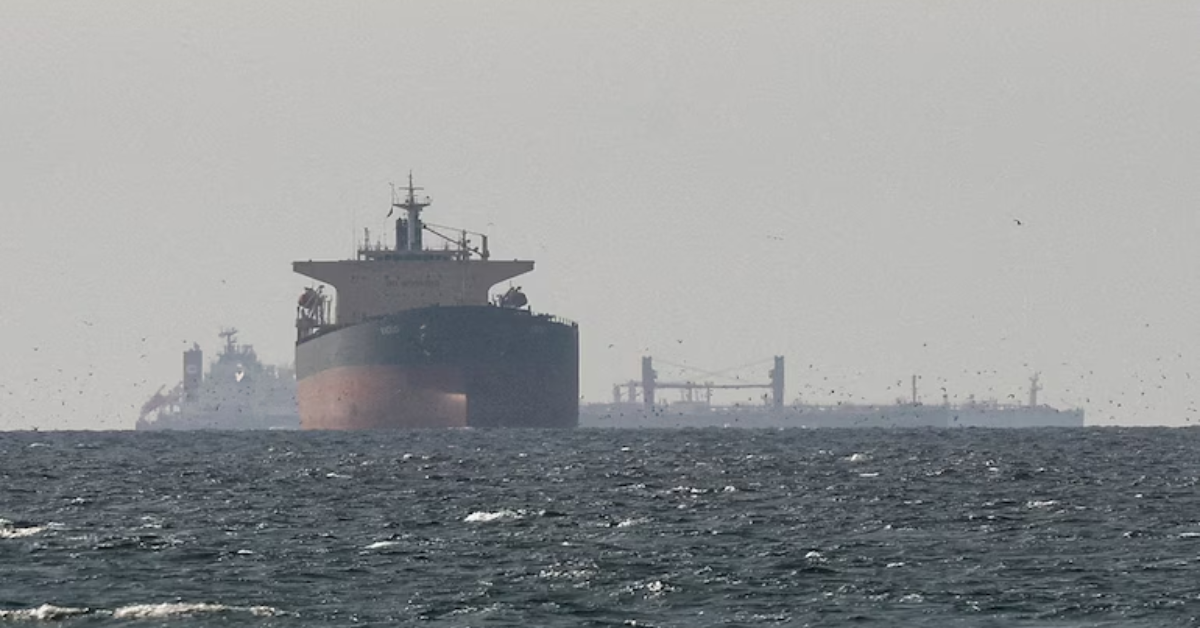
Additional Secretary Mukesh Mangal, who addressed media on the situation, stated that no incidents involving Indian-flagged vessels or foreign-flagged ships carrying Indian crew members had been reported in the preceding 72 hours. The ministry, working closely with the Directorate General of Shipping (DGS), has been operating a round-the-clock monitoring and coordination desk since the conflict — involving the United States, Israel, and Iran — disrupted shipping lanes across the Persian Gulf region.
Currently, 13 Indian-flagged vessels and one Indian-owned vessel remain active in the region. The government is ensuring these ships receive uninterrupted food supplies and essential rations through the nearest available ports, in full compliance with international maritime regulations under the Maritime Labour Convention (MLC) framework.
On the operational side, India has expanded alternative shipping services to West Asian ports not directly affected by the Strait of Hormuz blockade, with sailings increasing sharply from 105 in February to 232 in April. This rerouting has helped cushion the blow to trade flows, though it has added to overall freight costs and voyage times.
In what will be seen as a welcome sign for Indian exporters and importers, Mangal also noted that ocean freight rates — which had spiked sharply in the weeks following the escalation — have started coming down. Freight for a standard 20-foot container (TEU) has declined from approximately USD 2,400 on April 15 to around USD 2,000 at the time of the briefing, suggesting that the worst of the rate surge may be behind the market.
The ministry reported receiving 404 phone calls and 903 emails over a 72-hour period from industry stakeholders seeking guidance, reflecting the sector’s high anxiety levels. Mangal confirmed that despite the geopolitical turmoil, Indian port operations — including at major hubs like JNPA (Navi Mumbai), Mundra, and Chennai — continue to function normally, with no significant congestion recorded.
The conflict that began on February 28, 2026, has been one of the most disruptive events for global maritime trade since the 2021 Suez Canal blockage. Diplomatic negotiations between Washington and Tehran are reportedly focused on restoring safe navigation through the Strait of Hormuz — a waterway through which an estimated 20 percent of global oil supply passes — and any breakthrough could significantly ease current pressures on India’s energy and trade logistics.
The broader regional crisis has accelerated long-pending discussions in India around strategic oil reserves, diversified import routes, and the need to expand the national shipping fleet to reduce dependence on foreign-flagged vessels.
 Join our WhatsApp channel for more updates:
 Subscribe to our YouTube channel for more updates: